
Deconstructing the “Colonized Pashtuns” Claim
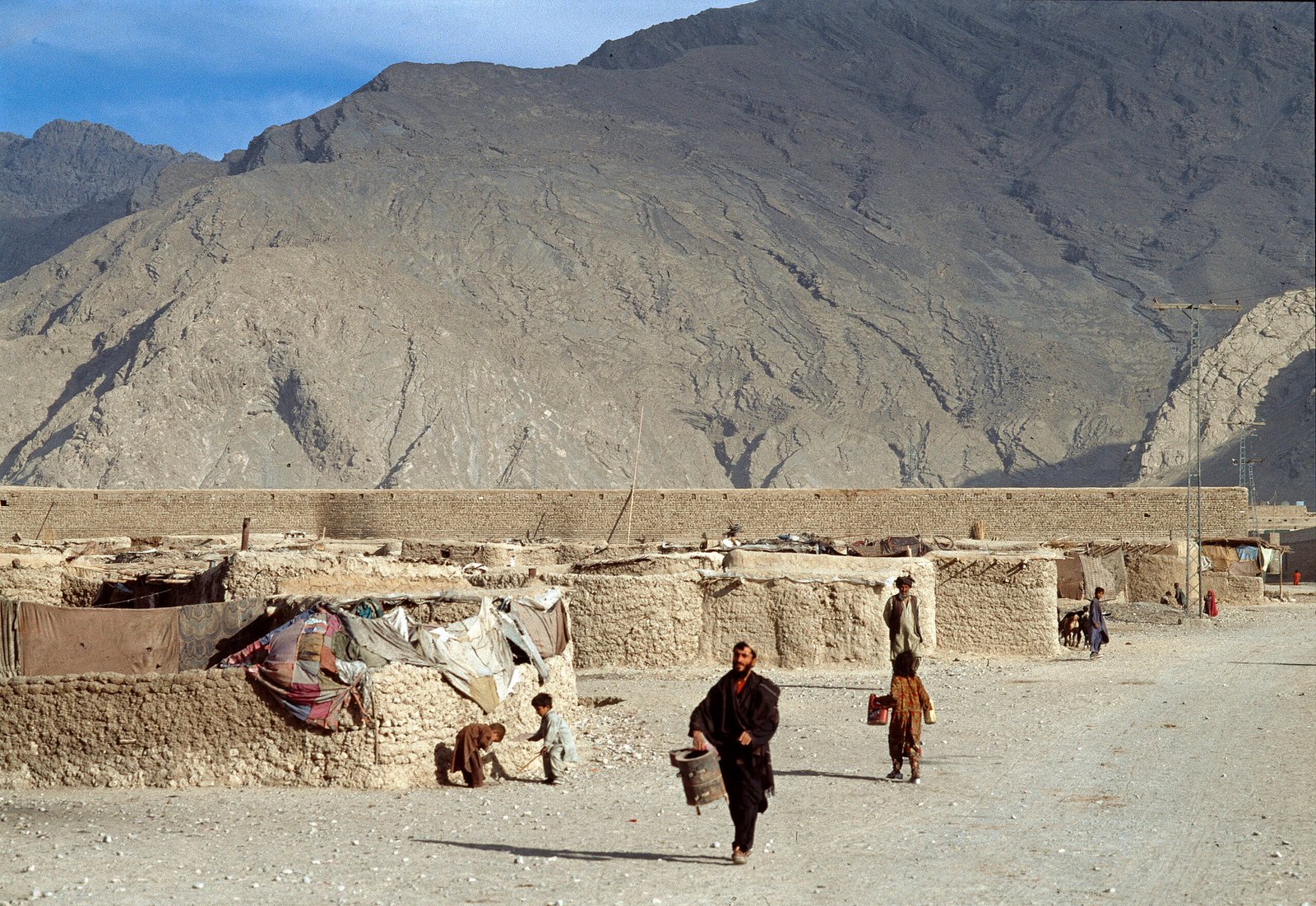 Afghan refugees in Quetta, Pakistan, who live outside of the formal system of refugee camps. The hills in the background are Jurassic limestone.
The claim that Pashtuns constitute a “colonized people under Punjabi occupation” has increasingly appeared in sections of political discourse surrounding Pakistan’s security challenges. It is an emotionally powerful formulation, but political slogans should ultimately be tested against constitutional arrangements, institutional realities and the lived experience of the population they claim to represent. Pakistan has serious governance problems, episodes of political exclusion, human-rights controversies and unresolved questions concerning accountability. These deserve scrutiny. Yet transforming those problems into a theory of ethnic colonization obscures more than it explains.
Pakistan is constitutionally structured as a federation rather than an ethnic empire. Khyber Pakhtunkhwa is governed through an elected provincial assembly and possesses constitutionally defined legislative and executive authority. Pashtuns vote, organize political parties, contest elections and participate across federal institutions. They have served as governors, chief ministers, federal ministers, parliamentarians, judges, diplomats, senior civil servants and commanders in the armed forces. The Constitution recognizes citizenship rather than ethnic hierarchy as the basis of political rights, while the 18th Constitutional Amendment significantly expanded provincial autonomy. None of this means federalism functions perfectly.
It does mean that describing the entire constitutional relationship as foreign occupation requires ignoring the institutions through which Pashtuns themselves exercise political authority
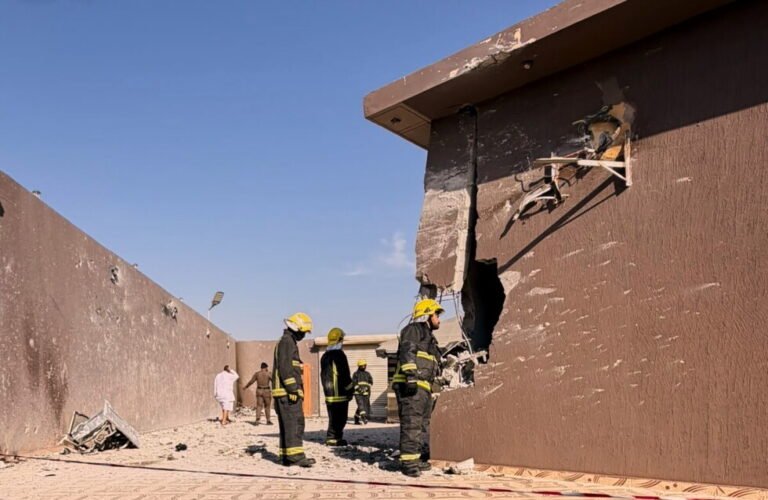
Security policy provides another area where rhetoric often overtakes analysis. Khyber Pakhtunkhwa and the former tribal districts have endured an extraordinarily destructive campaign of terrorism. Communities have suffered bombings, assassinations, displacement, attacks on schools, mosques, markets, tribal elders, police stations and political gatherings. Pashtun civilians have frequently been among the first victims of militant violence. Against that background, portraying every counterterrorism deployment as ethnic warfare creates a dangerously misleading picture.
Under Pakistan’s constitutional order, the state possesses the authority and responsibility to confront armed groups challenging public security. Article 245 provides a constitutional framework for the armed forces to defend Pakistan and, when lawfully called upon, assist the civil power. Such authority is not unlimited. Security institutions remain bound by the Constitution, applicable laws and principles of accountability. Allegations of abuse must therefore be investigated rather than dismissed. But acknowledging possible misconduct is fundamentally different from asserting that counterterrorism itself constitutes a Punjabi campaign against Pashtuns.
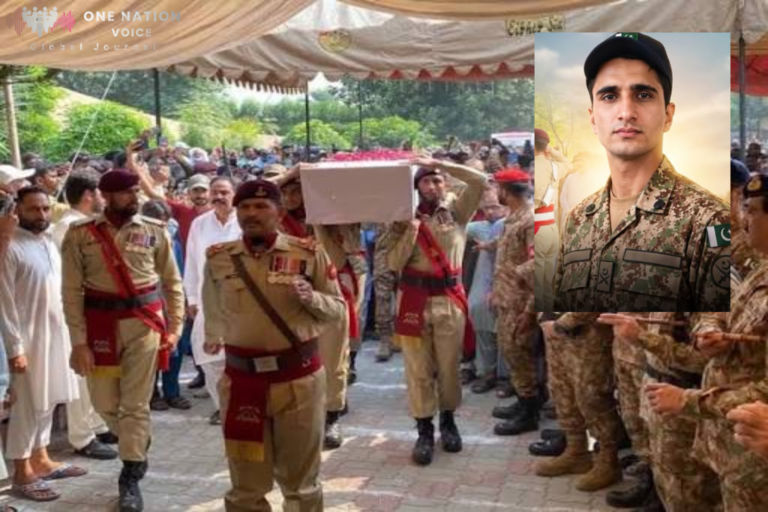
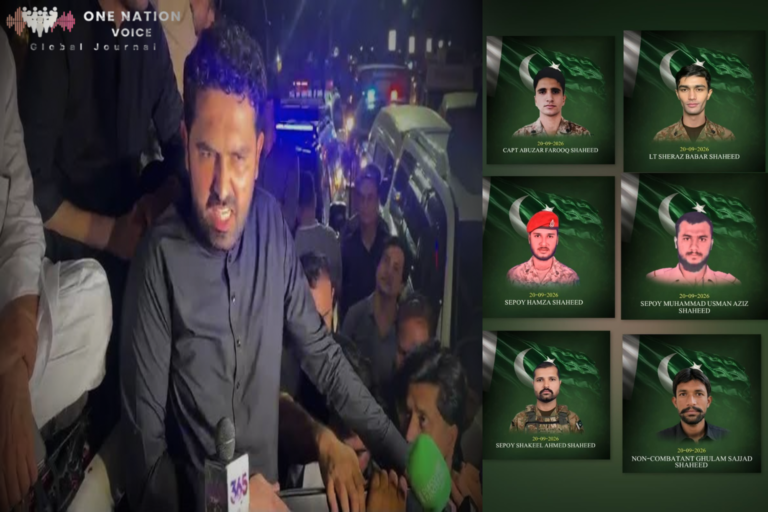
The contradiction becomes even clearer when one considers Pashtun participation in Pakistan’s security institutions. Pashtuns have served for generations in the armed forces, Frontier Corps, police, intelligence organizations and other state institutions. Countless officers and personnel from Khyber Pakhtunkhwa and the tribal districts have been killed fighting militant organizations. Police forces in districts repeatedly targeted by terrorists have paid an especially heavy price.
A narrative presenting Pashtuns exclusively as prisoners of the state therefore erases the Pashtuns who voluntarily defend that same state and the communities that depend upon them for security
Missing-person cases nevertheless require greater seriousness and transparency. Families seeking information about relatives are entitled to legal processes, answers and access to courts. Pakistan’s judiciary and commissions dealing with missing persons reflect recognition that the issue cannot simply be ignored. Security conditions may explain why individuals become subjects of investigation, but national security cannot become a substitute for due process. The strongest answer to accusations of repression is not denial but credible investigation, lawful detention procedures and institutional accountability.
The same balance should apply to universities and political protest. Students possess legitimate rights to organize, criticize governments and peacefully demonstrate. Universities should remain places where controversial ideas can be debated without fear. At the same time, campuses are not exempt from ordinary law. Violence, intimidation, support for armed organizations or deliberate disruption cannot automatically acquire constitutional immunity merely because they occur within an educational institution. Authorities, however, carry an equally important responsibility to respond proportionately and avoid turning administrative disputes into confrontations that reinforce narratives of repression.
Ethnic terminology such as “Punjab mafia” creates an additional distortion. Pakistan’s military, bureaucracy, judiciary and political system may legitimately be criticized for centralization, institutional imbalance or failures of accountability. Reducing them to extensions of one ethnicity, however, ignores their multi-ethnic composition.
Pakistan’s problems are better understood through questions of governance, institutional power, economic inequality and democratic development than through a simplistic Punjabi-versus-Pashtun framework
More importantly, perpetual victimhood can obscure genuine Pashtun political agency. Pashtun political movements have shaped Pakistan’s democratic history for decades. Citizens of Khyber Pakhtunkhwa have repeatedly changed governments through elections, participated in national political movements and influenced debates on provincial autonomy, terrorism, development and relations with Afghanistan. Their concerns about employment, education, infrastructure, policing, displacement and economic opportunity deserve policy responses rather than reduction to ideological slogans.
None of this requires denying legitimate grievances. Democratic states become stronger when citizens can question military operations, demand information about detainees, challenge governmental policies and peacefully campaign for reform. But there is an important distinction between criticism of state conduct and portraying an entire federation as an ethnic occupation.
The first can strengthen constitutional government. The second risks turning political disagreement into communal antagonism
Pashtuns are not outsiders living within Pakistan. They are among its soldiers, politicians, scholars, entrepreneurs, workers, judges, athletes, administrators and citizens. Their sacrifices against terrorism form an important part of Pakistan’s contemporary history, just as their demands for justice and development remain legitimate elements of democratic politics. Pakistan should respond to those demands through law, accountability, provincial empowerment and economic opportunity.
The language of colonization may generate political emotion, but it offers little practical pathway toward improving Pashtun lives. A more responsible politics would defend constitutional rights while rejecting ethnic demonization, demand accountability without legitimizing terrorism, and recognize that Pakistan’s stability depends not on suppressing Pashtun political agency but on strengthening it within a genuinely representative federation. Pashtuns are neither prisoners nor peripheral subjects of Pakistan. They are stakeholders in its security, democracy and future.

