
Pakistan Needs New Provinces to Strengthen National Unity
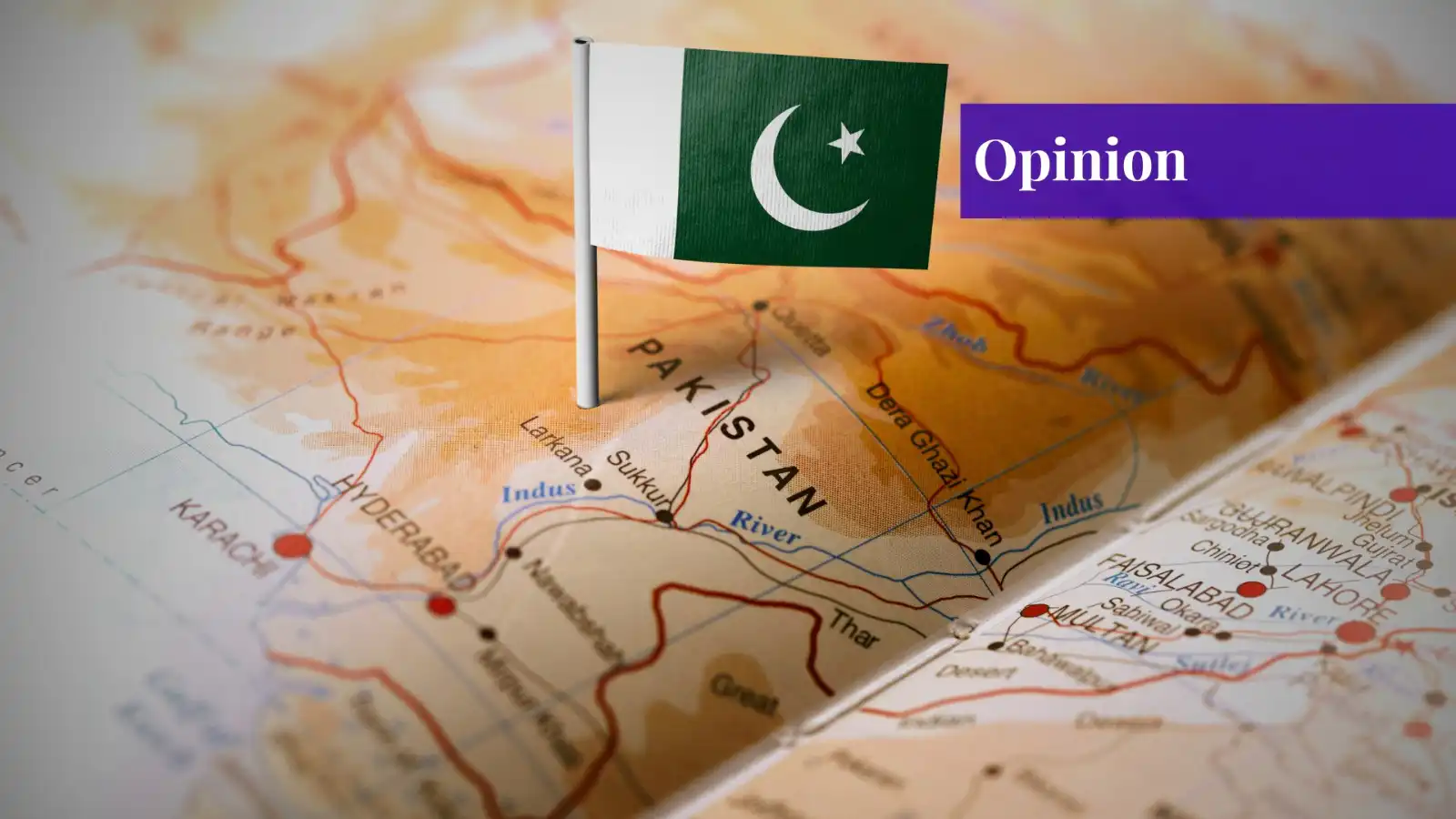
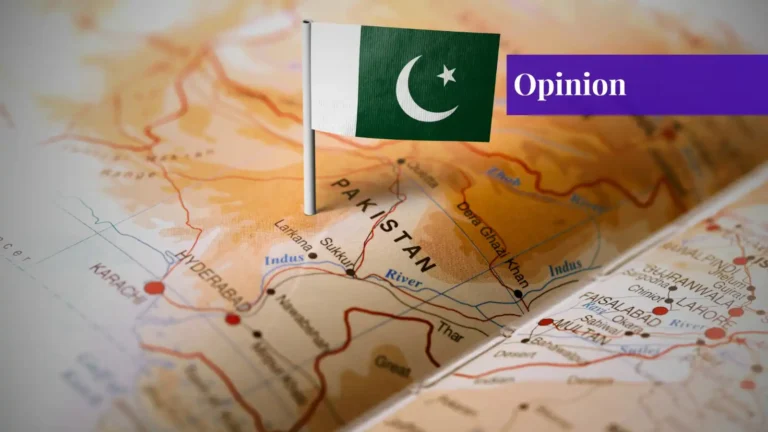
Pakistan has carried a quiet administrative absurdity for nearly eight decades now. A nation that has grown from 40 million citizens at independence to over 241 million today still governs itself through the same four provinces drawn in 1970. The debate about creating new provinces, once dismissed as a fringe political fantasy, has now moved firmly into the mainstream, and the recent revelation by senior journalist Sohail Warraich that PML N has quietly agreed in principle to carving Punjab into new units signals that something is genuinely shifting.
It is a moment worth taking seriously, stripped of partisan noise.
The numbers, looked at honestly, are hard to argue with. Punjab alone holds roughly 127.68 million people, more than half the country’s entire population under a single provincial administration. Pakistan’s average provincial population works out to about 64.8 million people, which is approximately 1.6 times that of India or China, 9.3 times that of the United States, and 9.9 times that of Nigeria, all federal systems that have found ways to bring government closer to their people. India manages its comparable population across 28 states. Nigeria has 36 states. Indonesia has 38 provinces. Pakistan has the fewest provinces among the world’s 20 most populous countries, despite having the world’s fifth largest population.
That is not an accident of geography. It is a failure of political imagination, one that every administration has quietly preferred to leave unresolved.
The 2023 census data only sharpens the point. KP has over 40 million people. Sindh has nearly 56 million. Even Balochistan, geographically Pakistan’s largest province, has nearly 15 million people spread across terrain that makes service delivery a logistical nightmare. The literacy figures tell a connected story: Punjab at 66.25%, Sindh at 57.54%, KP at 51.09%, Balochistan at a troubling 42.01%. These are not just statistics, they are the quiet consequences of governance stretched too thin across too much territory.
The constitutional path is known but not easy. Article 239(4) requires a two thirds majority in the affected Provincial Assembly to alter provincial boundaries. That is a deliberately high bar, designed to prevent impulsive redrawing of the map. It also means that any serious effort requires genuine political consensus, not just backroom deals or establishment nudges.
The issue of creating new provinces came under discussion at a PML N Punjab meeting, where the provincial leadership maintained that the debate should be held in Parliament. That is the right instinct. What worries many observers is not the idea of new provinces itself, but the manner in which the conversation has begun, with recent proposals reportedly emerging from military leadership, reigniting debates over political power and federal control. When constitutional questions of this magnitude are perceived to be driven from outside parliamentary chambers, they carry a legitimacy deficit that can haunt even the best policy outcomes.
PML N’s reported position, support for legislation now, implementation after 2029, is politically understandable, even if its critics will read it as self serving. The logic, as Warraich describes it, is that Chief Minister Maryam Nawaz Sharif has time to build political goodwill across Punjab through development work, so that when the province is eventually divided, the party will be well positioned to win governments in multiple new units. That is nakedly pragmatic. But pragmatism is not necessarily wrong. If the outcome is genuine administrative reform, the route to it matters less than the destination.
The experience of India is worth studying carefully. India reorganised its states extensively after independence, partly in response to linguistic and administrative demands. Initially, the proposal to reorganise along linguistic lines was met with apprehension by central leaders, who feared it would lead to the breakup of the Union. Ultimately, however, they realised that not dividing the provinces posed an even bigger threat. Punjab was split in 1966, Bombay was bifurcated into Maharashtra and Gujarat in 1960, and three new states were carved out in 2000.
India did not break apart. It became more governable.
Pakistan’s situation is different in important ways, the ethnic and linguistic mosaic is distinct, the political trust between provinces and the centre is more fragile, and the fiscal implications of creating new administrative units require honest reckoning. Creating new provinces has touched a nerve because there are deep political, ethnic, and economic fractures in the country, and any change in provincial composition will create winners and losers. Questions around water rights, NFC Award shares, land ownership and natural resource distribution cannot be handwaved away.
The PPP’s reservations about Sindh’s division are legitimate and deserve respectful engagement, not steamrolling. Maulana Fazlur Rehman’s view that the timing is wrong for KP, given the current security situation there, is also not baseless. The PTI’s conditional willingness to support the process, contingent on political concessions for its leadership, reflects the messy reality that in Pakistan, no major constitutional change can succeed without bringing all major stakeholders into the room.
What is needed, as researchers and analysts have argued for months, is not a rushed legislative sprint driven by one party’s electoral calendar, but a credible Provincial Reorganisation Commission that studies the question on its merits, looking at linguistic realities, economic viability, geographic logic, and institutional capacity. Experts have consistently argued that the creation of new provinces could help reduce public expenditure and improve governance, but only if done thoughtfully, with real fiscal decentralisation accompanying the administrative redrawing.
Pakistan’s map is not sacred. It is a political artefact from a different era, designed for a country of 65 million people. The country today is four times that size. The citizens of South Punjab, interior Sindh, Hazara, and Balochistan’s vast interior, they deserve government that is close enough to actually see them. That is not a threat to national unity. If anything, it is what national unity genuinely requires.
The next five months, as Sohail Warraich has rightly noted, will reveal whether this is real reform or political theatre. Pakistan has seen enough of the latter. It is time, finally, for the former.

