


Violence Overshadows Claims of a Peaceful Protest
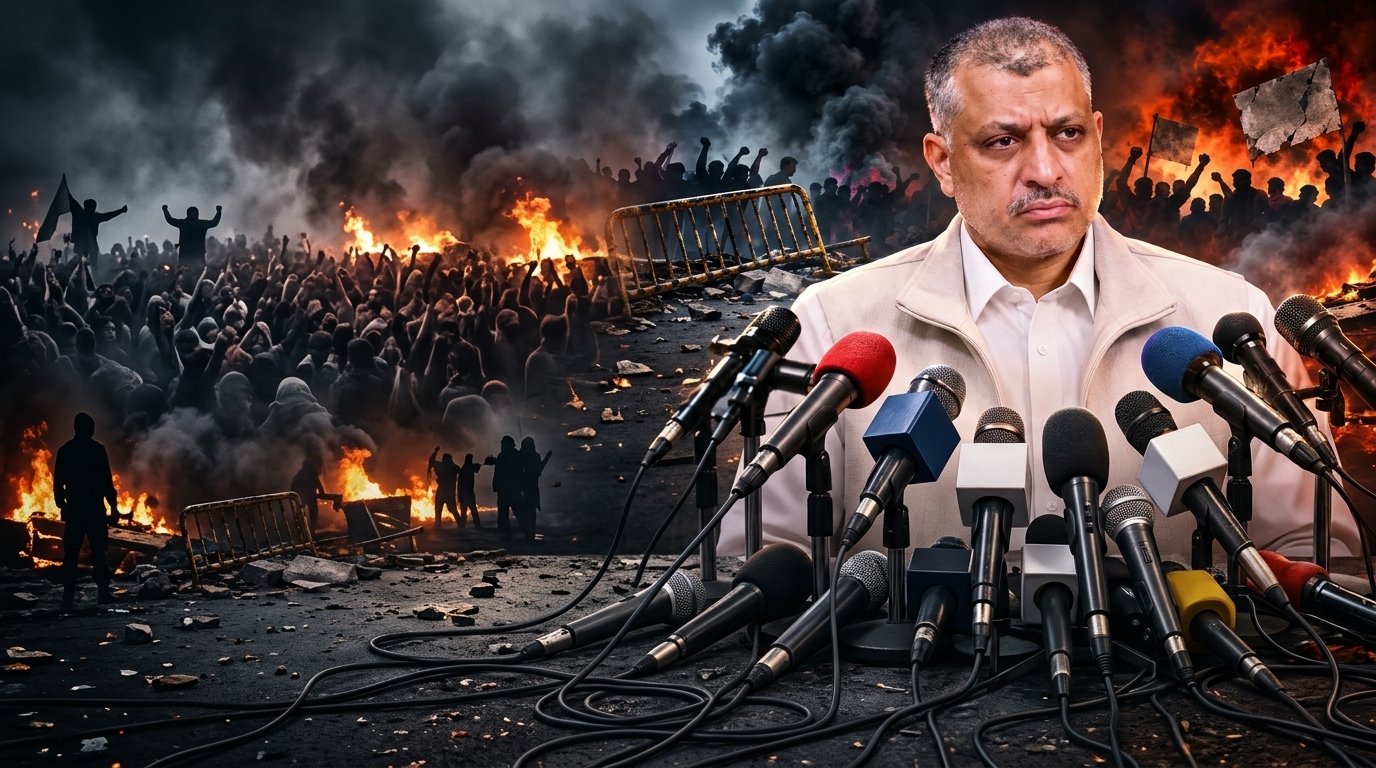
The bloody chapter written in Azad Kashmir under the name of the Joint Action Committee’s protest is not merely the story of a political movement. It was a deliberate, armed, and carefully orchestrated attempt to challenge the writ of the state. The revelations of Deputy Speaker Ahmad Raza Qadri have exposed those dimensions of this entire story that certain quarters had been deliberately ignoring.
According to Ahmad Raza Qadri, during the protest, 55 government officials were kidnapped, who were later recovered. This kidnapping was no random incident. It was a calculated strategy aimed at paralyzing the state machinery and breaking the morale of law enforcement personnel. No genuine people’s movement resorts to taking government officials hostage.
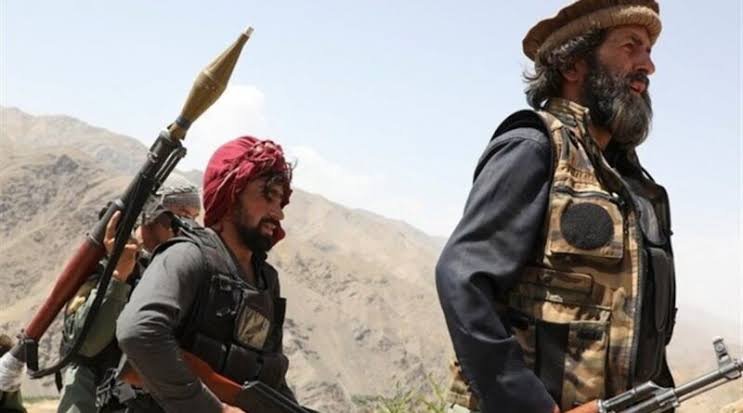
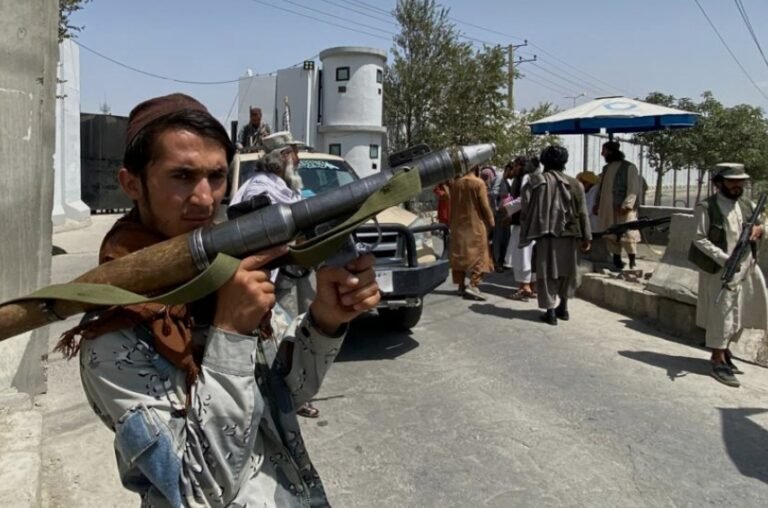
According to Azad Kashmir Police, four law enforcement officials were martyred and more than twenty were injured during the protest when members of the banned JAAC attacked the Combined Military Hospital in Rawalakot. A hospital where patients are under treatment. Attacking it cannot be called protest from any angle. It is pure terrorism. The Inspector General of Azad Kashmir Police made it clear that armed elements directly targeted on duty officials, and the wounds sustained by the martyred and injured personnel were of firearm and gunshot nature. Gunshot wounds do not come from stone pelting and tear gas protests. This fact alone tells the story of what was happening on the ground.
Among Deputy Speaker Qadri’s revelations is also mention of the alleged desecration of a martyred Sub Inspector’s body and the circulation of its video. This is the moment any person of conscience would stop and think: are these the people for whom the argument of “legitimate protest” is being made? Such treatment of a martyr’s body and then spreading its video is not only a legal crime but also a violation of basic human values.
The Azad Kashmir government formally declared JAAC a proscribed organization on June 5, 2026, under the AJK Anti Terrorism Act 2014. Weapons, communication devices, suspicious documents, and material related to organizing violent activities were recovered from those arrested. The items recovered from these arrested individuals completely shatter the narrative that JAAC was a peaceful civil society movement. The AJK Prime Minister, in defending the ban on JAAC, drew a clear line between peaceful protest and the paralysis of public infrastructure.
In September 2026, armed members of JAAC attacked a police checkpost in Bagh district, in which a paramilitary official was martyred. This means violent operations continued even after the ban, proving that this was not a spontaneous crowd reaction but an organized armed structure operating systematically.
Violence intensified again in July 2026 when ten people were killed. Officials stated that armed JAAC members blocked a convoy of Rangers personnel in Sudhanoti and in targeted attacks martyred Rangers Naik Imtiaz Ali and Police Constable Aqib. Blocking convoys, targeting specific individuals, this modus operandi does not fall under any definition of unarmed protest.
An important question arises here: why did certain media circles and political voices persistently try to frame JAAC’s actions within the mold of “public anger”? The truth is that the people’s legitimate grievances, electricity tariffs, flour subsidies, constitutional rights, could all have been raised through legal and peaceful means. The Supreme Court had also made it clear that neither the law nor the Constitution permits road blockades that disrupt the daily lives and movement of ordinary citizens.
Then the kidnapping of 55 officials, the desecration of martyrs’ bodies, the attack on a hospital, none of this is the language of legitimate protest. This is the language of those khawarij and terrorists who do not hesitate to use innocent human beings as shields for their political objectives.
Under JAAC’s threatening “Band Matlab Band” (Closed Means Closed) policy, shopkeepers and traders were forcibly made to shut their businesses, which is not democratic expression but public terrorism.
The state’s response is also worth noting. Ahmad Raza Qadri clearly stated that the state exercised restraint so that no innocent citizen would suffer harm. This is a state that cares for its citizens and operates within the bounds of the law. But this restraint should not be mistaken for weakness. The blood of 16 martyred officials and 237 wounded demands that transparent and decisive legal action be taken against those responsible.
The people of Azad Kashmir face genuine problems and their voice must be heard, but for that, there are channels of dialogue and constitutional pathways available, not missiles and guns. Those who resort to terrorism under the cover of peaceful protest are enemies not only of the state but also of the very people in whose name they pick up weapons.

