


Sudan’s Gender Emergency
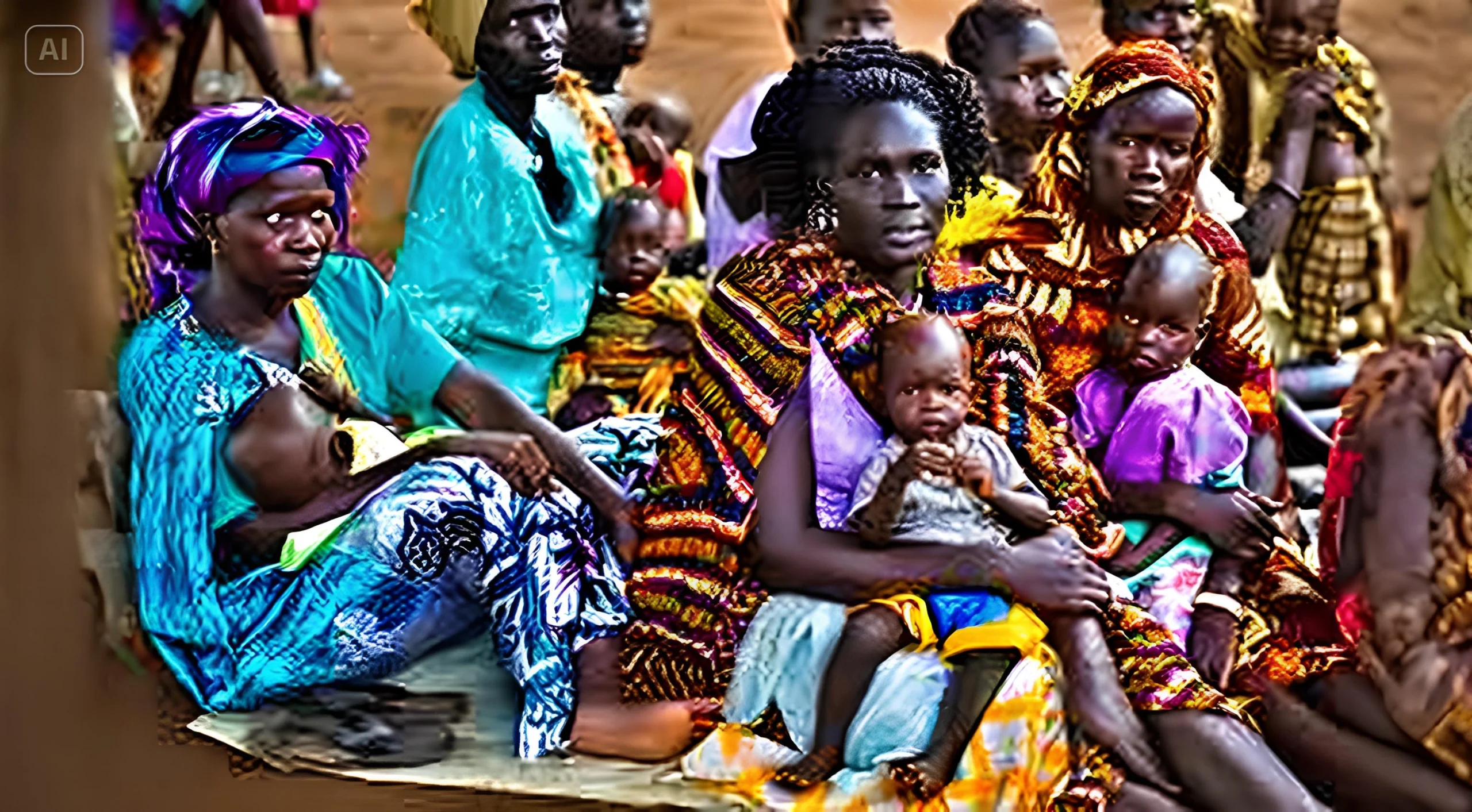
Sudan’s Gender Emergency
Women on the Frontlines of a Silent War
Women have always been the shock bearer of conflicts and wars. The conflict throws women under the bus in Sudan where societies are deeply affected women.
The war in Sudan has taken homes, food, and safety from millions but women have lost their dignity due to rapes and assault. This sort of attacks created a systematic attack on women by terrorist groups to enhance fear and trauma. Moreover, in the month of April this year, a 17-year-old girl in Darfur was coming back home after firewood collecting when she was stopped and forced by armed men. They beat her and tore off her clothes and left her in the dirt. She is now pregnant and has not seen a doctor. Her story is not an isolated tragedy, it is part of what the United Nations now calls a “gender emergency” in Sudan.
Violence as a Weapon, not a Byproduct
The women in Sudan are directly and deliberately attacked and facing terror. The terrorist groups like Rapid Support Forces use systematically sexual violence as a tool to punish communities which increases terror and drives people to leave their homes and lands. This form of violence has shattered the social coherence into fractured bonds.
Around 659 survivors of sexual assault in Darfur alone between January and March 2025 were treated by Médecins Sans Frontières, most of them were gang rape victims. Moreover, many were also forced into “Forced marriages” with fighters, these terms overshadowed the violence and brutalities against women.
Survivors often face another battle after facing the trauma. They keep silent, and after speaking out, they face stigma, retaliation or abandonment from their families. This trauma results women to face the challenges of isolation due to rapes.
Numbers That Should Break the World’s Heart
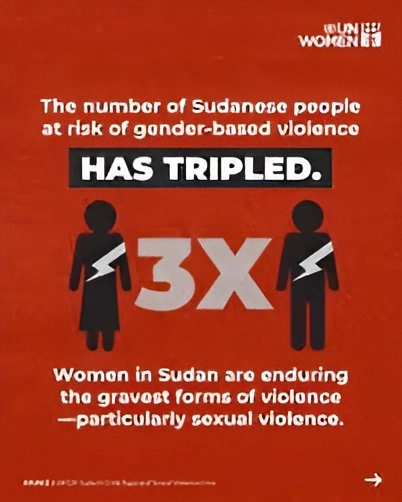
The scale of suffering is hard to comprehend:
• 12 million people at risk of gender-based violence which is a staggering jump from 6.7 million in late 2023.
• A 288% increase in requests for GBV services since the war began, overwhelming the few facilities still open.
• More than 25 million Sudanese facing severe food shortages, with women often eating last or not at all.
Hunger often motivates families to make tough decisions and choices. Some marry off their daughters as young as 13 in exchange for food or safety. Others are forced into transactional sex to feed their children.
Health and Safety in Freefall
In parts of Sudan, only one in five health facilities is still operational. For pregnant women, this can be a death sentence. Thousands will give birth this year without skilled medical help, clean tools, or pain relief.
Even in displacement camps supposed safe havens, there is danger. In Zamzam camp of Darfur, home to over half a million people (mostly women and children), came under attack in April 2025. This attack witnesses describe mass rapes, killings, and abductions. Around 2,000 people were reportedly killed in just days.
The Forgotten Majority of the Displaced
Women and girls make up 54% of Sudan’s displaced population. According to some analysis more than 5 million females have left their homes, many carrying children, cooking pots, and little else due to insecurity and threats.
Being displaced means not just losing a home, but many other things like privacy, safety, and any sense of control over someone’s daily life. In crowded camps women feel insecure while sleeping near strangers, and must wait in long ques for water, and also walk far from safety to collect firewood. Each of this step leave them more vulnerable to harassment or assault.
Holding the Line with Bare Hands
Despite this bleak reality, Sudanese women are not just victims of war but also leaders and protectors. The local women run safe spaces for victims and document the atrocities against the women. These are the people reaching those the big agencies can’t. But their work is dangerous. Armed men have threatened community leaders who speak up about sexual violence.
Why This Is More Than Just “Another” Crisis
War is not gender neutral. When food runs out, it’s the mothers who skip meals. When homes burn, it’s the girls who lose their schools first. And when violence escalates, women’s bodies too often become the battlefield.
The UN’s “gender emergency” declaration is not just a label, it’s a warning. The war in Sudan leaves long lasting scares against women.
What Needs to Happen
The women of Sudan need more than sympathy. They need:
- Safe places to go that could be provided with shelters, secure displacement camps, and escape routes.
- Justice systems, even if that means bringing in international courts to prosecute war crimes.
- Healthcare that works, maternal clinics, trauma counseling, and emergency supplies.
- Money in women’s hands, cash aid and livelihoods so they don’t have to trade safety for survival.
- Global pressure, real consequences for armed groups that use sexual violence as a weapon.
The Human Cost of Inaction
If the world turns away, the numbers will keep climbing but worse, the stories will keep multiplying. Every day that passes means another girl forced into marriage, another woman attacked collecting water, another mother giving birth alone in the dark.
As one Sudanese activist put it:
“They can bomb our homes, they can burn our crops but when they take our bodies, they are trying to take our future. That is why we fight to survive.”
The war in Sudan threatens the existence of women. They need more than words; they need real action to save their lives. There is a dire need of pragmatic actions rather than only words.
The war in Sudan is a deliberate assault against women. This threat against women has pushed women to become the victims of physical, mental, economic and social traumas. Moreover, becoming victims of war, women carry long lasting scares that will never be erased. After getting into trouble, justice never happened.
Disclaimer:
The views and opinions expressed in this article are exclusively those of the author and do not reflect the official stance, policies, or perspectives of the Platform.