




Inside the Faroe Islands Distillery Crafting Spirits on the Edge of the World
Inside the distillery crafting spirits on the edge of the world
For nearly a hundred years, alcohol was largely forbidden in the Faroe Islands. But one family quietly carried their brewing tradition through the dry years, and today, in a remote village surrounded by sea and sky, their distillery is producing whisky that captures the wild soul of these islands.
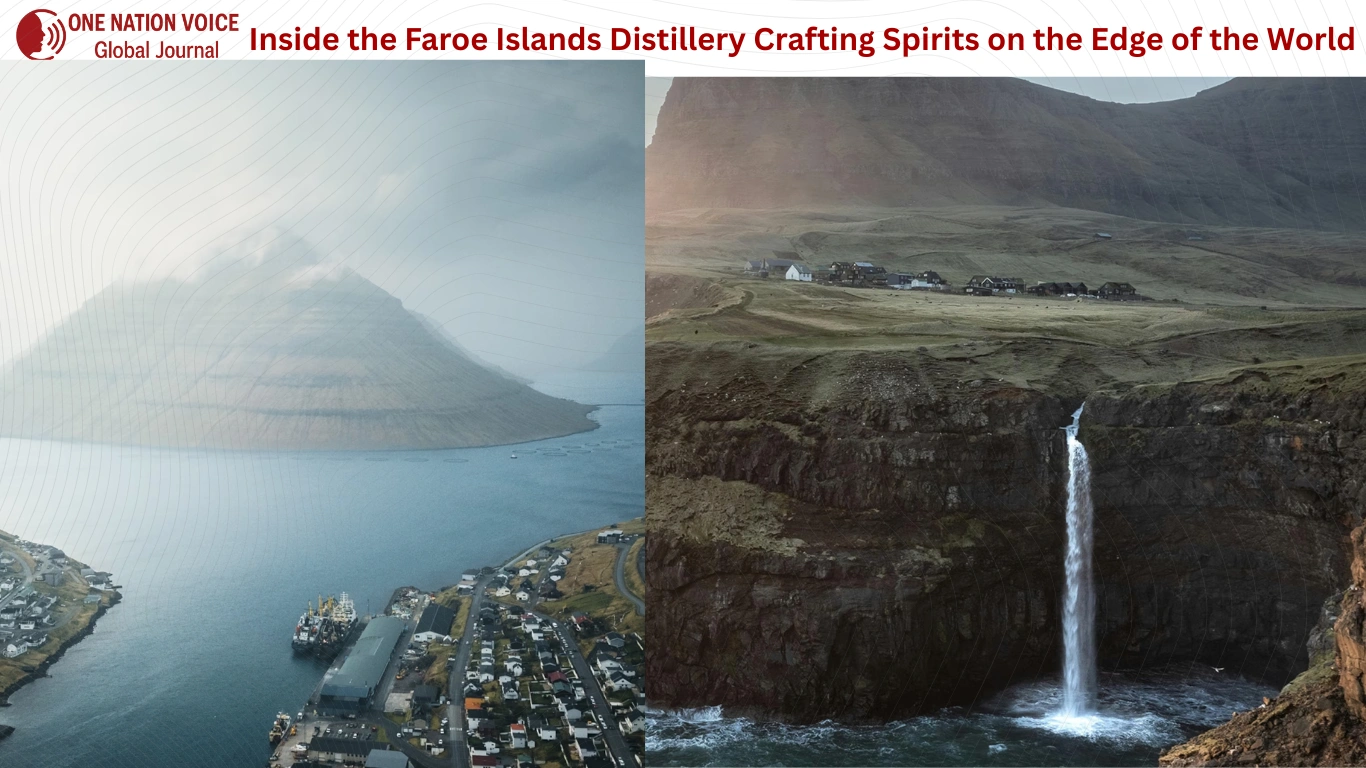
The journey to Klaksvík feels like slipping into a saga. From Tórshavn, the bus winds between cliffs and valleys that could have been carved by giants, mist swirling over peaks where lambs scramble with ease. After 90 minutes, we emerge from an undersea tunnel into a town cradled between two fjords. With only 5,000 residents, Klaksvík feels like the end of the world. Yet here, perched above the harbor, stands Einar’s Distillery , the beating heart of a family legacy that survived prohibition and is now shaping spirits unlike any other.
A tradition born in defiance
The ban on strong alcohol came in 1907, led by a powerful temperance movement. For decades, only tiny, imported quantities were allowed, tightly rationed from Denmark. Through it all, the Waag family’s Føroya Bjór brewery found ways to endure. They crafted soft drinks under the “Jolly” brand — still more popular than Coca-Cola in the Faroes — and brewed light pilsners that skirted the ban. Brewing wasn’t just business; it was a way of keeping Faroese identity alive.
Founder Símun í Vági even helped lead the independence movement, flying the national flag long before it was officially adopted. His son and grandson carried the torch. And when spirits finally became legal again in 2012, the family seized the chance to make a long-held dream real.
A warm welcome, Faroese style
Inside the distillery, Annika Waag greets me with a firm handshake and a sparkle in her eye. She is the fourth generation of her family to work here, and her welcome is as brisk as the Atlantic wind outside. Before introductions are even finished, she reaches for a bottle.
“As is tradition,” she says, pouring two glasses of clear liquid. “We toast each other’s health.”
It’s akvavitt, a caraway-and-herb spirit locals call “water of life.” The label carries the family’s ram logo, first drawn in 1888 by her great-grandfather. Drinking it at 11 a.m. feels less like indulgence and more like stepping into a custom older than memory.
Annika smiles and produces another bottle, a beer brewed from barley grown beside the famous Múlafossur Waterfall. “You can only get this here,” she says. And in that moment, the connection between land, people, and drink is unmistakable.
Whisky shaped by sea and sky
The Faroes’ rugged climate isn’t a hardship for whisky, it’s an asset. Atlantic storms sweep salt into the air. Temperatures shift but never sharply. Humidity lingers in the fjords. It’s a natural ageing chamber, rivaling even Scotland’s.
Einar’s whiskies carry this terroir in their bones. Bottles are adorned with local birds to capture each spirit’s character: the bold skua, the clever raven. Annika pours me a taste of Einar’s Raven, their first smoked whisky, bottled at cask strength. At 59.5%, it’s powerful but not harsh, a whisky unlike any I’ve ever had.
More than business, it’s heritage
Running a distillery here isn’t easy. Exporting is costly, logistics are complicated, and the market is crowded. But, as Annika points out, whisky drinkers don’t just buy a bottle, they buy a story. And few stories are richer than that of a family who carried their craft through prohibition, through isolation, and into a new era.
Even the distillery’s operations reflect this ethos. Old wooden crates, decades in service, are still used to deliver bottles. Customers return empties for reuse. In the Faroes, sustainability isn’t a trend, it’s survival.
And beneath it all is a quiet determination, passed down like a family recipe. As Annika puts it:
“This is the way we’ve always done things. And it’s how we’ll keep doing them. It’s more than just habit, it’s our heritage. It’s who we are.”
Published by One Nation Voice.
For more in depth coverage, expert analysis, and exclusive visuals, visit One Nation Voice . Join the conversation, explore our archives, and be part of a global community shaping tomorrow’s headlines.
Follow One Nation Voice on X, LinkedIn, Instagram and Facebook for insights on business, finance and tech from Pakistan and across the world.

