



How Deepfakes Threaten Democracy Worldwide?
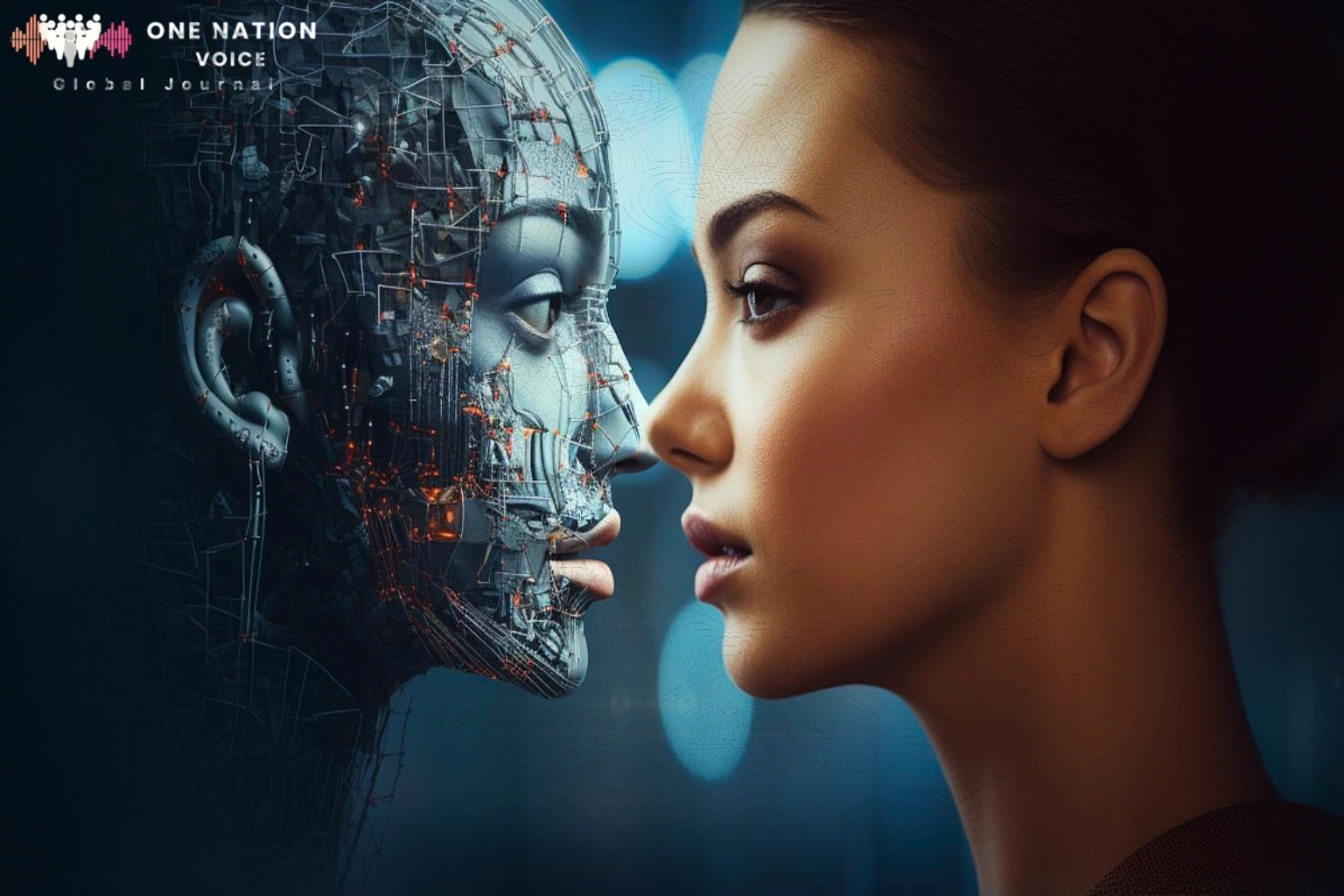
With the rise of the digital era, democracy is being threatened by a new and more pernicious menace, not tanks and coups, but pixels and algorithms. The emergence of deepfakes and AI-made fake data has eradicated the boundary between the truth and the lie, making the world the place where seeing is not believing. With the coming of elections in continents, such as the United States, as well as India, the fight of the truth has become as contentious as the ballot.
A few years ago, most political misinformation happened through misleading headlines, editing pictures or videos out of context. In this day, the art of deception has become an art via the artificial intelligence technology. Anyone can be made to say or do almost anything with hyper-realistic videos and cloned voices. It is possible to make a candidate confess with crimes, insult communities, or proclaim fictitious policies all in ideal HD realism. The harm may be inflicted by the time fact-checkers come into the picture.
It is not merely an issue of technology, but of psychology. Human beings are programmed to believe in what they see. By the time a deepfake is later debunked, it has affected the person emotionally. Even a viral clip that has been altered and is 12 hours long can affect more voters than any correction that follows it. The more effective diffusion of disinformation is that it promotes fear, anger, and bias—the emotions that lead to interaction on the Internet.
This is a grave challenge in democracies, whereby legitimacy is based on informed consent. Elections are based on some form of trust like trust in media, institutions, and voting. A lack of confidence is substituted with cynicism when all videos can be questioned, and all statements are questionable. The outcome is not the confusion of the voters but their indifference, the people who have lost faith in the possibility to know the truth.
There are governments which are starting to act. Digital Services Act of the European Union and new laws emerging in states of the US aim to label or offer limitations on synthetic media. Technological firms are also being pressured to create AI detectors and watermarking software. However, these attempts cannot keep up with the pace of innovation. There is an open-source use of deepfakes and most of them are not within the jurisdiction of Western law. Each new detector has a new method of evading it. The battle between verisimilitude and phony is gaining momentum.
Nevertheless, it does not mean that democracy can be rescued by regulation. The citizens should be the initial line of defense themselves. Critical evaluation of online content should be made as intrinsic as reading and writing, it should be called media literacy. It is time to educate people on how to check their sources, recognize manipulation, and comprehend how algorithms influence what they observe by teaching it in schools, civil society organizations, and in the media. The vaccine to digital deceit is an educated citizenry.
The media and politicians also have a question to answer in morality. Sensationalism (the never-ending clickbait and outrage industry) is what supports the environment in which misinformation can flourish. Responsible journalism implies not giving in to the urge to report without verifying the claim despite it generating traffic. Similarly, political leaders should also pledge to avoid taking advantage and using deepfakes and conspiracy theories to gain immediate benefits. Without the truth being a weapon to both sides, democracy will be unable to exist.
Moreover, the technological paradox is the fact that technology can ruin and protect democracy. The very AI that can create lies is also capable of identifying them. Also, the very networks that propagate hate are also capable of spreading awareness. The challenge now is to place this balance towards transparency and accountability.
After all, democracy is not a technology, it is a trust contract. When we lose the skill to differentiate between the real and fake things, that contract falls. The largest democracies of the world would be put to test in the next couple of years, not solely at the voting booth, but in the informational space. It shall turn out whether we shall live in societies that are ruled by reason, or by the most persuasive illusion.

