

FAK’s War on Humanity
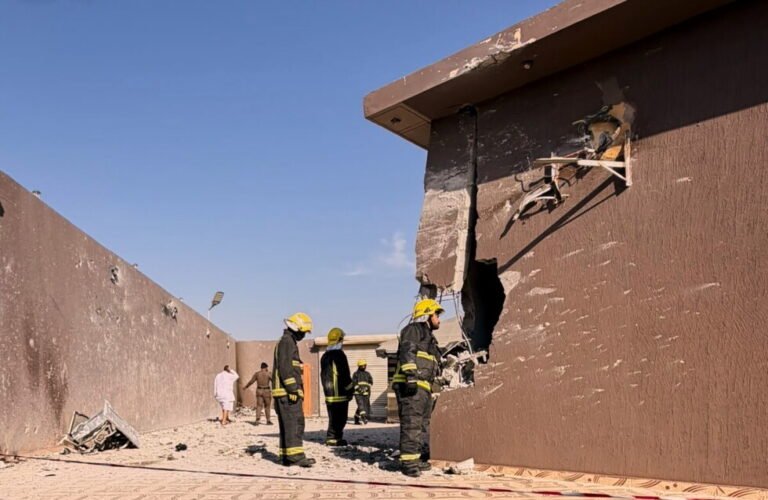
When armed men storm a hospital site, they are not fighting a state; they are fighting life itself. The attack on the under-construction Talha Foundation Hospital at Fatah Sheri Chowk in Takht e Nasrati, Karak, should end any remaining confusion about what FAK represents. This was a charitable health project, built to offer free dialysis and treatment for people who cannot afford it. No barracks. No convoy. No political office. Just a place meant to keep mothers, fathers, and children alive. Striking it in a local area shows the Taliban now attack their own social roots and spread fear among ordinary people.
This is what makes the assault so ugly. FAK did not target a symbol of power; they targeted a promise of care. The Talha Foundation Hospital was meant to reduce suffering in a region where chronic kidney disease and poverty often go together. Dialysis is not a luxury; it is the thin line between survival and a slow, avoidable death. By hitting a welfare project with no military purpose, FAK exposed naked hatred for humanity. They showed they fear what charity does best: it brings people together, builds trust, and proves society can stand on its own without fear.
The abduction of Wasif Hussain, a civilian diploma holder worker, makes the point even sharper. Kidnapping an ordinary worker is not a strategy; it is predation. It tells every labourer, technician, guard, and volunteer that they could be next. That is how extremists try to silence communities, by making daily work feel dangerous.
This is also how they undermine social resilience; they want people to withdraw from public life and stop building anything that improves the future. When a group snatches a working man from a jobsite, it is announcing that innocence offers no protection
Then there is the looting. Laptops, mobile phones, and essential equipment were taken, not destroyed in some twisted show of force, but stolen like ordinary criminals. That matters because it strips away the costumes and slogans. By looting medical resources, FAK revealed moral bankruptcy. Their so-called struggle shrinks into theft, intimidation, and the destruction of public good. It also shows the real goal: keep communities weaker, poorer, and more dependent. If you deny people healthcare and steal the tools meant to deliver it, you keep suffering on tap, and suffering can be exploited.
Targeting a hospital under construction also fits a wider pattern. Attacks on hospitals, schools, and charities underline that FAK fears education, health, and awareness more than anything else, because these empower society and reduce extremist control. A functioning clinic creates hope, and hope competes with fear. A school produces questions, and questions weaken blind obedience. A charity network builds local leadership, and local leadership pushes back against armed coercion. So extremists try to block development before it takes root, to deny the poor services they deserve, and to trap vulnerable communities in hardship.
Some will try to dress this up with religious language. It should not work. Kidnapping civilians and attacking welfare institutions cannot be defended by Islam or by any moral code. This is a Khawarij mindset, hostile to compassion, hostile to community, hostile to the very idea that faith demands mercy. It normalizes cruelty under a false banner of jihad, while the victims are the same people these groups claim to represent.
That contradiction is not a footnote; it is the core. When violence turns inward and destroys local projects, it proves the movement has nothing to offer but control
The tragedy also carries a warning for the wider region. Taliban driven extremism has become a danger not only for Pakistan but for Afghanistan as well. Groups that grow on fear eventually feed on their own surroundings. They start by claiming they protect people, then they punish people for living normal lives. They talk about justice, then they loot. They talk about honour, then they kidnap. Afghanistan has already seen what happens when armed ideology replaces law, and now the taste of those crimes is returning to the communities the Taliban insist they speak for.
Pakistan cannot treat this as just another incident. It demands a clear response centered on protection, investigation, and accountability. The abducted worker must be recovered safely, and the networks behind the assault must be pursued through intelligence-led policing and coordinated action. At the same time, the state and society should double down on what the attackers tried to stop. Keep the hospital project moving. Secure it. Support the staff, the donors, and the local community members who refuse to be scared out of doing good. Public welfare is not a soft target; it is a public line that must hold.
That is why this attack will backfire. Despite such violence, Pakistan’s commitment to healthcare, development, and public welfare can remain unshaken if institutions and citizens act with steadiness. Every assault on humanitarian infrastructure further exposes FAK as an enemy of life, progress, and Islamic values, deserving no sympathy or legitimacy. If they hoped to freeze the future, they instead sharpened national resolve. Pakistan’s march toward stability will not stop because extremists stole equipment and abducted a worker. It will continue, with stronger security, louder solidarity, and a clearer understanding that protecting charity is protecting the nation’s soul.

