

NCHR Petition or Political Optics?
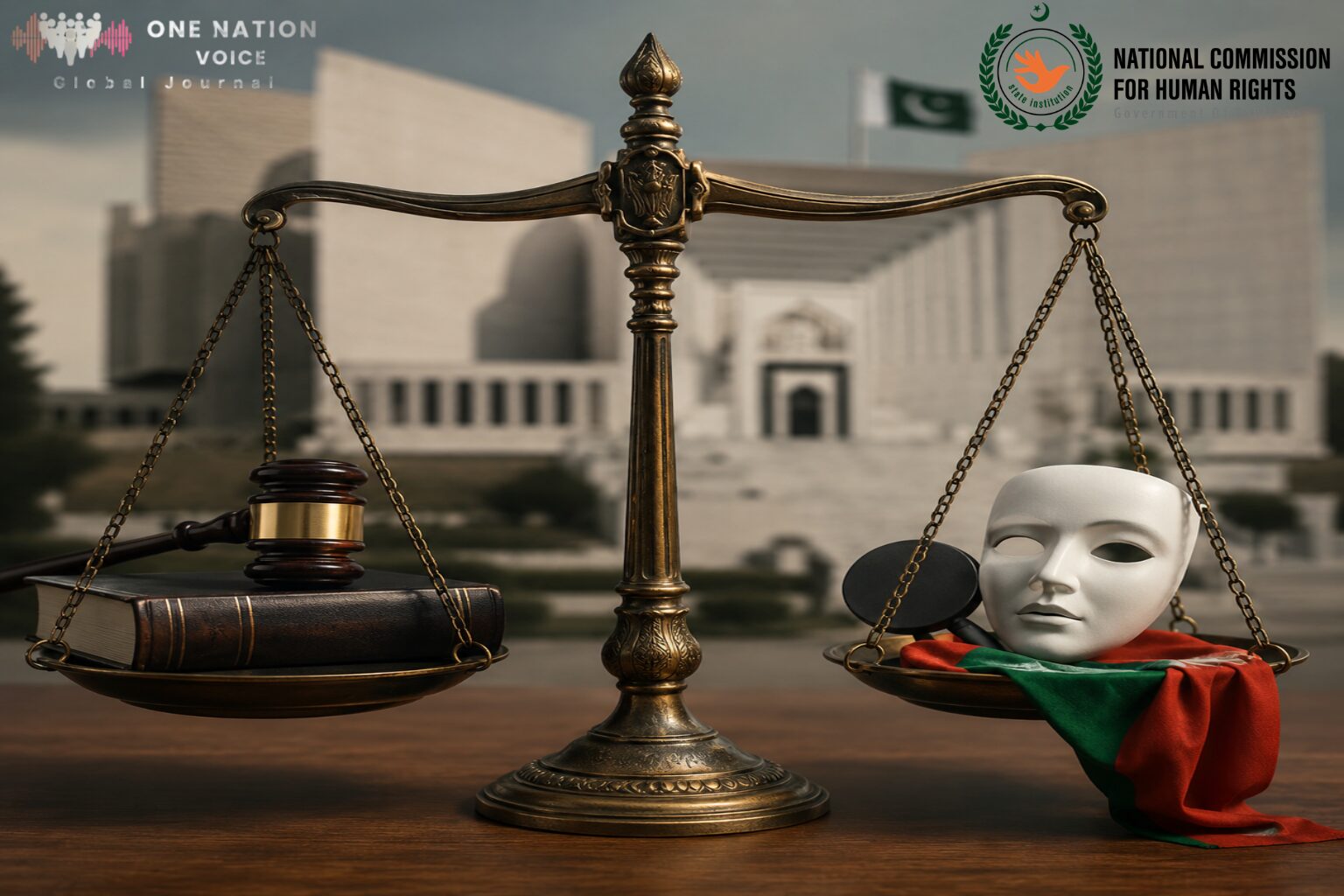
PTI’s Legal Theatre Exposed
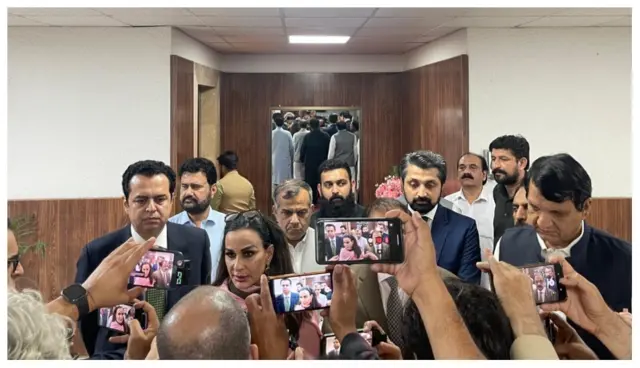
Pakistan’s legal landscape has, in recent years, witnessed a troubling trend: the deliberate conflation of genuine human rights advocacy with political performance. The latest episode in this ongoing debate is the petition filed before the National Commission for Human Rights (NCHR) by a group of PTI affiliated senators and legal representatives, seeking intervention in the custodial treatment of Bushra Bibi at Adiala Jail, Rawalpindi. While the petition invokes the language of Articles 4, 9, 14, and 25 of the Constitution alongside international human rights instruments, a closer examination of the facts raises serious questions about intent, forum, and timing.
The Forum Question: Why NCHR?
Pakistan’s superior judiciary has been actively engaged with this matter. The Islamabad High Court (IHC) has repeatedly summoned Adiala Jail Superintendent Sajid Baig to appear and explain the conditions of Bushra Bibi’s custody. As recently as May 2026, Justice Arbab Muhammad Tahir has been presiding over ongoing hearings concerning family visitation rights and medical access for the detainee. The court even warned that the superintendent could be produced by force after an absence from earlier hearings.
Given this judicial engagement, the decision to approach the NCHR demands scrutiny. The NCHR, established under the National Commission for Human Rights Act 2012, is empowered to inquire into human rights violations. However, it does not override constitutional courts, modify court sanctioned custodial arrangements, or grant emergency relief.
When the Supreme Court and the IHC are already seized of related matters, approaching the NCHR appears less like legal urgency and more like an attempt to create parallel pressure.
Recycled Allegations, Same Playbook
The substantive claims in this petition are not new. Similar allegations regarding jail conditions, denial of medical access, and isolation were raised during Imran Khan’s own proceedings. A medical and fact finding board headed by Barrister Salman Safdar was constituted at that time. The board submitted its report before the court, and the court expressed satisfaction with its findings. These facts remain part of the official record.
Now, with Bushra Bibi as the subject, a similar narrative has again been presented. The petition cites retinal detachment and post surgical vulnerability as grounds for urgent NCHR intervention. What the petition does not fully emphasize is that the surgery was reportedly conducted with the cooperation of jail authorities. According to available reports, ophthalmologists diagnosed retinal detachment, Bushra Bibi was shifted to a private hospital on April 30, and the procedure was performed by Professor Dr. Nadeem Qureshi along with a panel of medical specialists. She was subsequently returned to custody after an overnight stay. The State fulfilled its medical duty of care. Presenting the situation solely as a crisis of medical neglect risks creating a one sided narrative.
The Family Visits Controversy: What the Record Shows
The most contentious element of the current dispute concerns family visitation. The jail administration submitted a formal written report to the IHC stating that family meetings were being restricted due to documented instances where such meetings were allegedly followed by social media activity attributed to Maryam Riaz Wattoo, posts that authorities claimed affected prison discipline and security. The IHC itself has been examining the proportionality of this reasoning, with Justice Tahir questioning whether the conduct of an external third party can lawfully justify restricting a prisoner’s family access.
This is precisely the kind of constitutional question that a court of law is equipped to resolve. Pakistan’s judiciary is already scrutinizing the jail administration’s justification, and the legal process remains active.
The Timing Problem
The timing of this petition has also attracted political attention. The same senators and representatives who filed this document had previously faced criticism for their absence from Adiala Jail during earlier periods when visitation was possible. That absence drew criticism within PTI’s own circles. Now, there is renewed urgency, accompanied by press conferences, petitions, and public messaging.
This pattern has led some observers to question whether the campaign is motivated primarily by genuine concern or by political optics. Barrister Syed Ali Zafar, Senator Muhammad Azam Swati, and their co petitioners are experienced legal and political figures. They are aware that the IHC has jurisdiction over the matter. Their decision to simultaneously approach the NCHR has therefore become part of the broader political debate surrounding the case.
Respecting Institutions Means Using Them Correctly
Pakistan’s institutions, including its courts, prison administration, and human rights commissions, function most effectively when engaged in good faith and through proper legal channels. The IHC is hearing this matter. Reports have been submitted, and the court continues to examine the relevant legal and constitutional questions. That is due process in action.
What Pakistan does not need is a culture where every legal forum is treated primarily as a media platform rather than a mechanism for genuine redress.
If a detainee’s rights are being violated, the Islamabad High Court has both the jurisdiction and the authority to provide remedy. The record of recent hearings demonstrates that the judicial process remains active and responsive.
The NCHR petition, filed while superior court proceedings are already underway, with allegations that overlap with earlier claims and amid heightened political activity, has inevitably generated debate about whether the move is aimed more at public messaging than legal remedy. Pakistan’s democratic and judicial institutions deserve to be strengthened through responsible engagement and respect for due process. The courts are open, and justice should continue to be pursued through them.
Disclaimer:
The views and opinions expressed in this article are exclusively those of the author and do not reflect the official stance, policies, or perspectives of the Platform.

