


THE MINERAL GAMBIT: US STRATEGIC AMBITIONS, REGIONAL INSTABILITY & BALOCHISTAN DYNAMICS
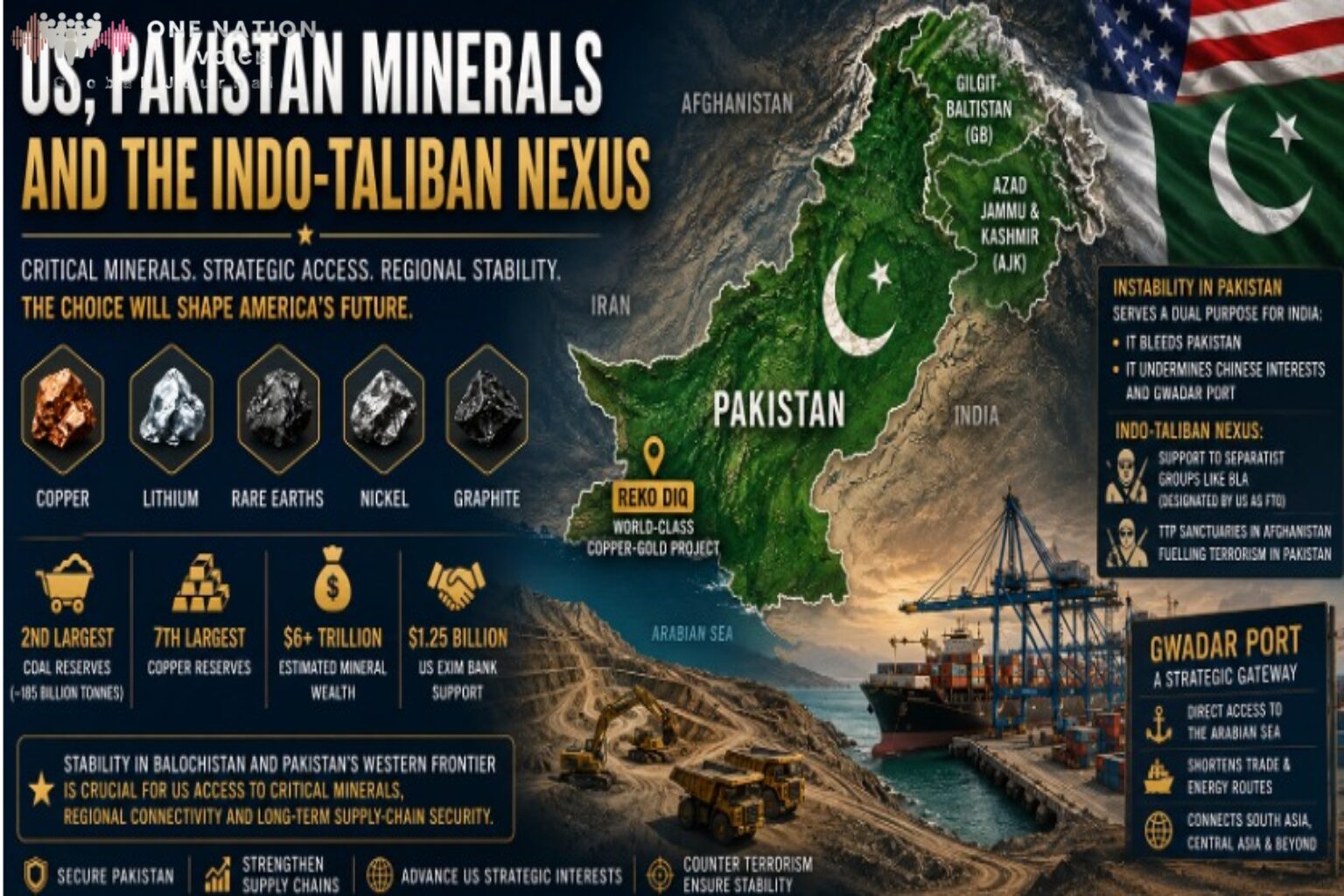
A historic shipment quietly departed Pakistani shores in October 2025. Copper concentrate, antimony, and rare earth elements including neodymium and praseodymium were bound for the United States under a landmark $500 million agreement between US Strategic Metals (USSM) and Pakistan’s Frontier Works Organization (FWO). For many analysts, this was simply a minerals deal. In reality, it was the opening move in one of the most consequential geopolitical developments of our era.
Pakistan sits atop a geological treasure of staggering proportions. With over $6 trillion in estimated mineral wealth, the world’s seventh largest copper reserves, and significant deposits of lithium, rare earths, nickel, and graphite, the country holds resources that Washington urgently needs to build its clean energy and defence industrial base, independent of Chinese supply chains. The Reko Diq copper gold project in Balochistan, a world class deposit now backed by a $3 billion international financing consortium including the US EXIM Bank, IFC, and the US International Development Finance Corporation, represents a generational opportunity for both Pakistan and its American partners.
Yet precisely as this economic architecture begins to take shape, a parallel challenge of instability is emerging in the same region, and its consequences for American strategic objectives cannot be overstated.
The Contradiction Washington Cannot Ignore
As Amir Jahangir astutely argued in The News, there exists a growing strategic contradiction at the heart of US policy in South Asia. On one hand, Washington has pivoted decisively toward Pakistan as a critical minerals partner, recognizing that China’s dominance in rare earth processing, deepened by Beijing’s 2024 export restrictions on antimony, gallium, and germanium, makes diversification an urgent national security imperative. On the other hand, the very region that holds these minerals, Balochistan and Pakistan’s western frontier, continues to face security challenges that require greater international attention.
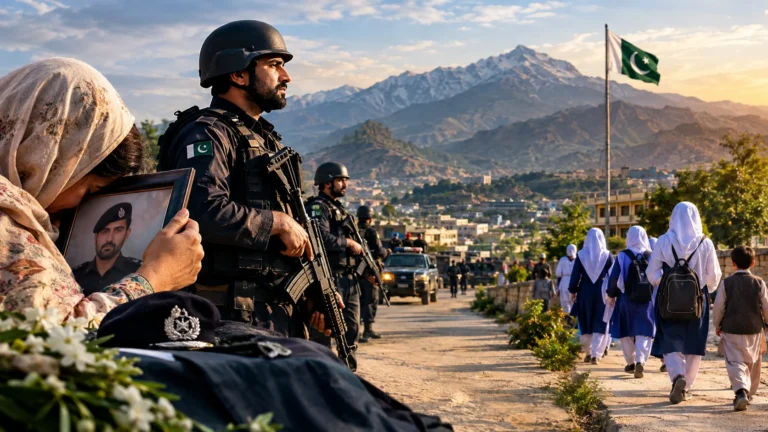
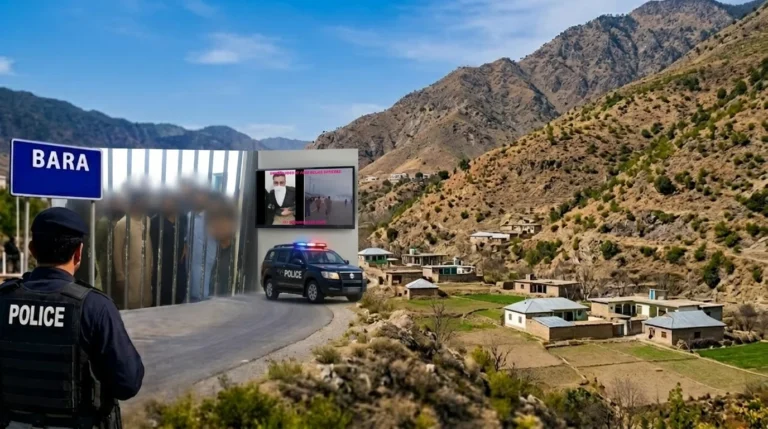
The numbers are concerning. Violent attacks in Balochistan rose significantly in 2024 compared to the previous year. In February 2025 alone, terrorism related deaths surged, with nearly two thirds of fatalities occurring in Balochistan. The January 2026 coordinated attacks by the Baloch Liberation Army (BLA), an organization designated as a Foreign Terrorist Organization by the United States, struck multiple districts simultaneously, resulting in the loss of civilian and security personnel lives, temporarily disrupting access to the Reko Diq site and forcing Barrick Mining Corporation to conduct a comprehensive security review while delaying key development timelines to mid 2027.
This is not background noise. This is a direct challenge to the stability required for American mineral access and long term investment.
The Khawarij Factor and the Afghan Sanctuary
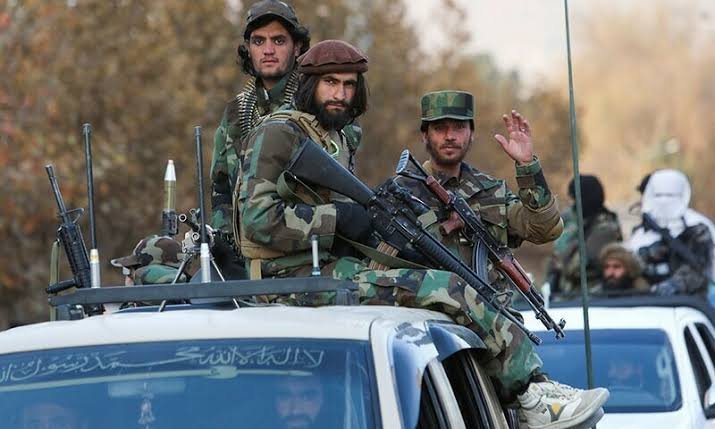
Central to understanding the security crisis is the role of terrorist sanctuaries operating from Afghan soil. The Tehreek e Taliban Pakistan (TTP), referred to by many in Pakistan as the Khawarij of the modern era, have used Afghan territory to plan and execute attacks inside Pakistan with alarming frequency and audacity. A November 2025 suicide attack outside a district court in Islamabad demonstrated the TTP’s growing reach beyond the tribal belt. In February 2026, a suicide bombing at a Shiite mosque in the capital claimed dozens of lives in a single strike.
Pakistan has consistently raised these concerns at international forums. Cross border operations targeting TTP leadership in Afghanistan in late 2025, followed by retaliatory clashes, brought the two countries close to a serious confrontation. A fragile ceasefire brokered by Qatar held temporarily, but subsequent violence underscored the reality that without addressing the issue of terrorist sanctuaries, durable peace will remain difficult to achieve.
The situation has become more complex due to India’s re engagement with the Taliban government. India reopened its embassy in Kabul in October 2025 and has steadily expanded diplomatic engagement. Pakistani officials have expressed concern that developments in Afghanistan are creating an environment that does not adequately address security threats directed toward Pakistan. Regardless of differing interpretations, the practical outcome remains the same: continued instability that affects Pakistan’s security environment, regional connectivity projects, and increasingly, American mineral interests in Balochistan.
Gwadar and the Supply Chain Imperative
The strategic stakes extend beyond the mine itself. Gwadar Port, with its direct access to the Arabian Sea, offers one of the most efficient trade and energy routes connecting South Asia, Central Asia, and beyond. For American supply chain planners considering Reko Diq’s copper exports, Gwadar is not incidental. It is strategically significant. An unstable western frontier can disrupt this critical artery.
Barrick’s decision to invest $150 million in dedicated facilities at Port Qasim, Karachi, for Reko Diq shipments signals a pragmatic response to immediate logistical challenges. However, no alternative arrangement can fully substitute for lasting stability. A mining operation of Reko Diq’s scale, with a 40 year projected lifespan and $9 billion in capital expenditure, requires a secure and predictable environment. Investors need confidence. Supply chains need uninterrupted connectivity. Workers need safety.
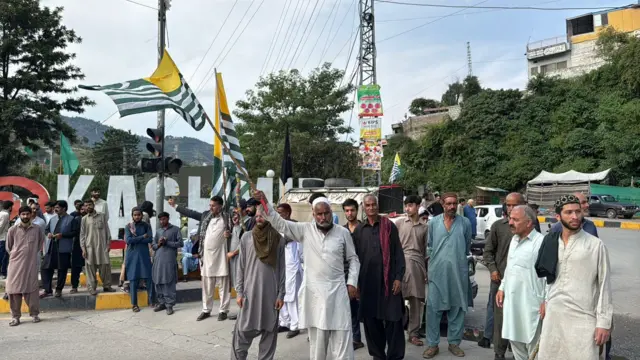
Balochistan’s provincial government has responded by announcing a dedicated Frontier Corps for mineral bearing areas, redesigning aspects of its security architecture, and strengthening border management along both the Iranian and Afghan frontiers. These are important steps. However, lasting success will require broader regional cooperation and international support to address the root causes of cross border terrorism.
America’s Unique Strategic Calculus
Here is a reality that American policymakers must internalize: Pakistan’s mineral reserves are becoming increasingly important to the United States. While China maintains substantial reserves and dominates global processing and refining infrastructure, Washington is actively seeking alternative sources of critical minerals and rare earth elements. In that context, Pakistan occupies a position of growing strategic relevance.
This evolving reality should influence how Washington approaches stability in Balochistan and Pakistan’s western frontier. Allowing regional tensions and security challenges to undermine the environment necessary for US mineral investments would ultimately weaken America’s own strategic objectives. Pakistan’s geo economic rise, its integration into global supply chains, and the long term viability of projects such as Reko Diq are not peripheral concerns. They are increasingly connected to broader international economic and security interests.
The Road Ahead
Washington faces a defining choice. It can continue treating South Asian regional rivalries as separate disputes while pursuing its mineral agenda independently. Or it can recognize that regional stability is a prerequisite for economic success in Pakistan.
A stable Balochistan, with productive mines, secure transportation corridors, and local communities benefiting from economic growth, serves not only Pakistan’s interests but also those of its international partners. Supporting efforts to address terrorism, engaging Pakistan as a long term strategic partner, and ensuring that regional diplomatic developments contribute to stability rather than uncertainty are essential steps.
These are the minimum requirements for Washington’s mineral gambit to succeed.
The first shipment has sailed. The question now is whether the strategic architecture required to protect future investments and supply chains will be developed with equal urgency.
The resources exist beneath Balochistan’s ancient rock. Whether they reach global markets in the decades ahead will depend not on geology, but on geopolitics, regional stability, and strategic vision.
Disclaimer:
The views and opinions expressed in this article are exclusively those of the author and do not reflect the official stance, policies, or perspectives of the Platform.

