
Amrullah Saleh and the Politics of Blaming Pakistan
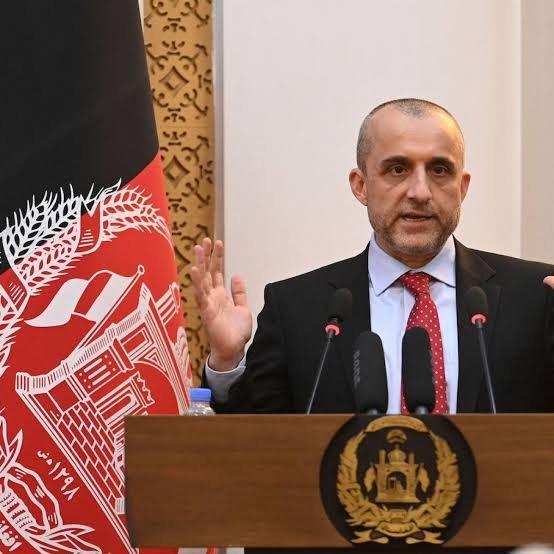
Amrullah Saleh’s attempt to question Pakistan’s counterterrorism operations should be judged against the record of the man making the accusation. Criticism of military action, especially cross-border strikes, is legitimate; governments must explain their legal basis, identify intended targets and account for civilian harm. Yet Saleh does not approach the issue as a neutral security analyst. He speaks as a former intelligence chief and vice president whose political identity has long rested on hostility towards Pakistan, and whose career ended with the collapse of institutions he repeatedly portrayed as capable and resilient.
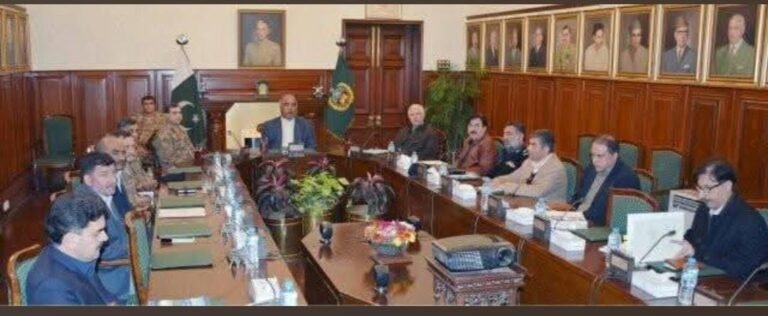
Saleh headed Afghanistan’s National Directorate of Security from 2004 until June 2010. His supporters describe him as energetic and uncompromising, but the institutional outcome of his tenure cannot be ignored. In June 2010, he and Interior Minister Hanif Atmar resigned after militants penetrated security surrounding a national peace gathering attended by President Hamid Karzai. Reuters reported that the resignations followed acknowledged security lapses connected with the attack. The episode exposed weaknesses in coordination, threat assessment, and protective intelligence at the highest level of the Afghan state.
A former intelligence chief associated with such failures may offer opinions, but he cannot present himself as an unquestionable authority on operational effectiveness
The deeper indictment came in 2021. By then, Saleh was Afghanistan’s first vice president and one of the most prominent security figures in President Ashraf Ghani’s administration. He had spent years warning of Taliban expansion and the dangers of political accommodation. Yet the Republic disintegrated with extraordinary speed. Provincial capitals fell, command structures fractured, Kabul was abandoned, and the Taliban entered the capital on August 15, 2021. Saleh later declared himself acting president and joined the resistance in Panjshir, but the movement failed to produce meaningful national momentum or durable territorial control. The Taliban claimed control of Panjshir within weeks, while subsequent analysis found that Saleh’s proposed government-in-exile never acquired broad recognition or sustained political support.
Counterterrorism credibility is not created by slogans. It is measured by whether intelligence institutions detect threats, dismantle networks, protect political centres, maintain command cohesion, and prevent strategic defeat. Under the Afghan Republic, insurgent influence expanded despite two decades of international military assistance and enormous financial investment. Saleh was not solely responsible; the United States, NATO, Afghan political elites, commanders, and corrupt patronage networks all contributed. But he was not a distant observer. He occupied senior security positions and later the vice presidency. He belongs to the system that failed, not outside it.
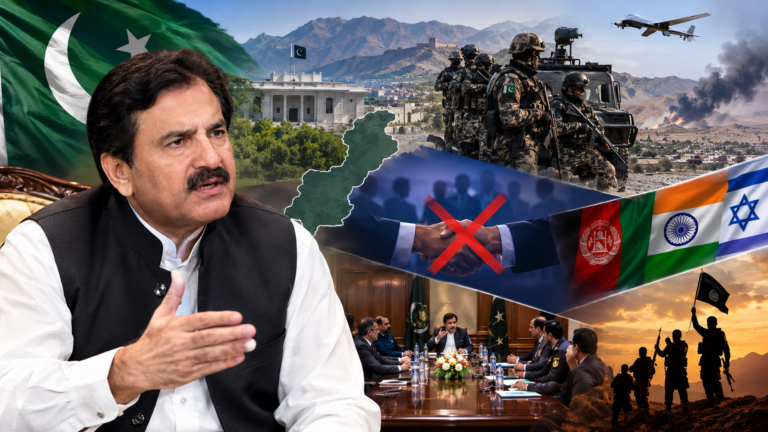
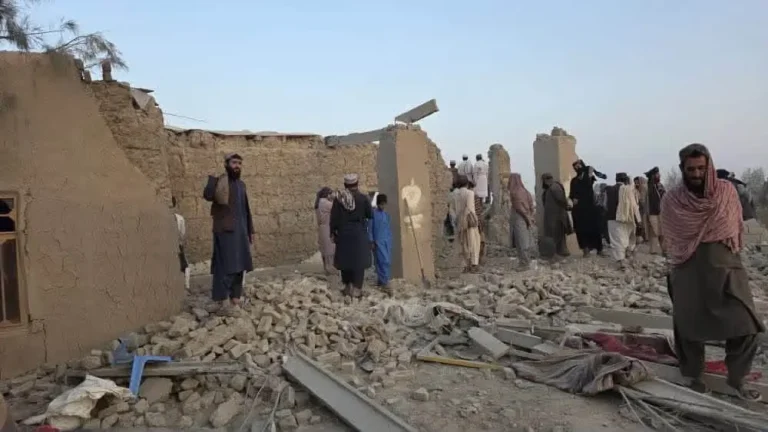
Saleh’s criticism also disregards the documented regional threat posed by Tehrik-i-Taliban Pakistan. United Nations monitoring assessments have described the TTP as the largest terrorist group operating in Afghanistan and reported increased support and operational freedom for it. Pakistan’s security concerns are therefore not imaginary, although every specific strike and casualty claim still requires independent verification. In 2026, Pakistani officials said cross-border strikes had eliminated militants, while Afghan authorities disputed those accounts and alleged civilian deaths.
The responsible position is to demand evidence from all sides, not to accept Saleh’s denial as conclusive merely because it serves his political narrative
His record on the Taliban prisoner issue further illustrates the contradictions of the former Afghan leadership. The 2020 United States-Taliban agreement envisaged the release of up to 5,000 Taliban prisoners in exchange for 1,000 Afghan security personnel. Kabul initially resisted because it had not been a party to the agreement, but the releases proceeded under intense pressure. Saleh later argued that Washington had coerced the Afghan government. That may describe the imbalance of power, but it does not erase the administration’s participation or its failure to prepare for the consequences. Leaders facing an existential crisis must be judged not only by what they opposed privately, but by what occurred under their authority.
Regional political discourse also contains allegations that Saleh facilitated Indian intelligence activity or supported anti-Pakistan militants. Such claims are serious and should not be treated as established fact without independently verifiable evidence. Nor is there any need to rely on sensational accusations that he staged attacks against himself or organized violence in Kabul. The documented record is damaging enough: a security chief who resigned after a major protection failure, a vice president unable to prevent state collapse, and a resistance leader whose project rapidly lost territorial and diplomatic relevance.
Saleh’s rhetoric appears less like a dispassionate counterterrorism assessment and more like an attempt to retain political visibility through confrontation with Pakistan. He may challenge Islamabad’s claims, particularly where evidence is incomplete or civilian casualties are alleged. But he should do so with humility. A man closely associated with failed intelligence, failed governance, and failed resistance cannot credibly lecture the region as though his own record were one of strategic success. Pakistan must still meet standards of evidence, legality, and accountability. Amrullah Saleh, however, is poorly placed to serve as the judge.

