


Afghanistan is Enduring Hub of the Global Narcotics Trade

Over the decades, Afghanistan has been identified with the international drug trade serving as the heart of the world’s illicit opium market. The country has always remained the number one source of narcotics, regardless of the political upheavals, wars, and international interventions, but now the country is under different circumstances, still it remains the primary source of narcotics.
Fields to fortune in Age of Opium dominance
Until recently, Afghanistan had provided 80 percent of the global opium, that is about 6,200 tons of 7,800 tons of opium produced in the world in 2022. This great production was maintained by about 233,000 hectares of fields of poppy and extending all through its southern and western provinces. Trade turned out to be an economic lifeline to many thousands of rural families particularly where formal jobs and infrastructure were practically a nonexistent entity.
Notably, the production of opium was no longer a crop, it was a survival strategy that became embedded in the lives of the Afghan society.
It nourished the families of farmers, made fortunes to the traffickers, and the militant groups taxed to fund their activities. Unfortunately, the opium economy was so established that it formed the social and political structure in enormous areas of the nation.
The Taliban Ban and Shockwaves
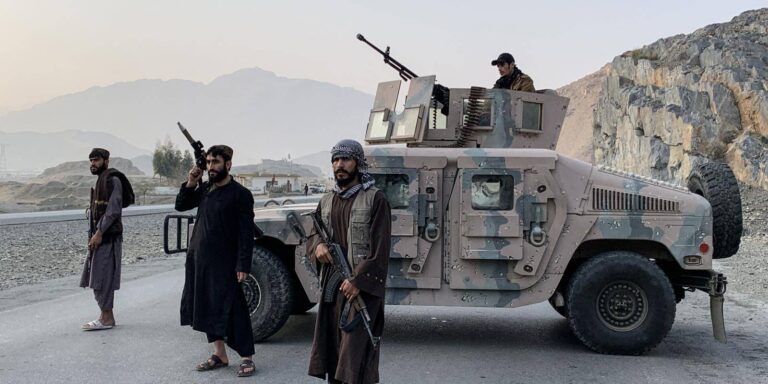
In 2022, a countrywide ban on narcotics that Taliban announced seemed to be a turning point. The law did not only make the production of opium poppy illegal, but also the trade and use of any narcotic. The crackdown was rapid. However, towards the year 2025, the crop of poppy had been reduced by 20 percent, shrinking to 10,200 hectares. The production of opium dropped even further down the scale by 32% to only 296 tons.
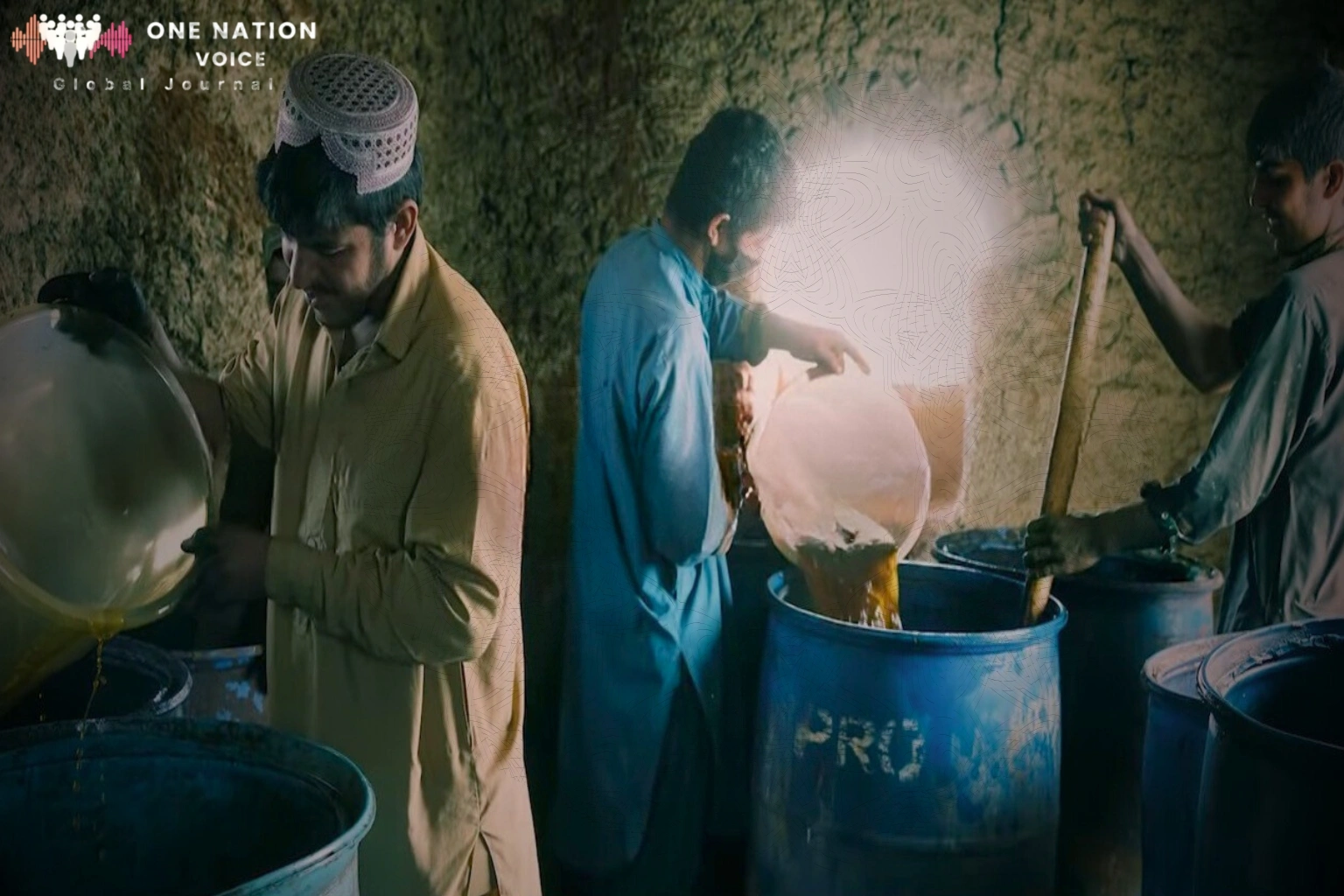
As this may appear a clear cut victory in the battle against drugs, the ground level story was more complex. The opium suddenly became scarce, and this caused a spurt in the black-market prices making anyone who had been able to produce or even smuggle opium rich. Instead of collapsing, trafficking networks consolidated and were more efficient. Most rural areas were also impoverished by the ban because farmers whose livelihood depended on the poppy revenue lacked other viable options.
Increase in Synthetic Drugs
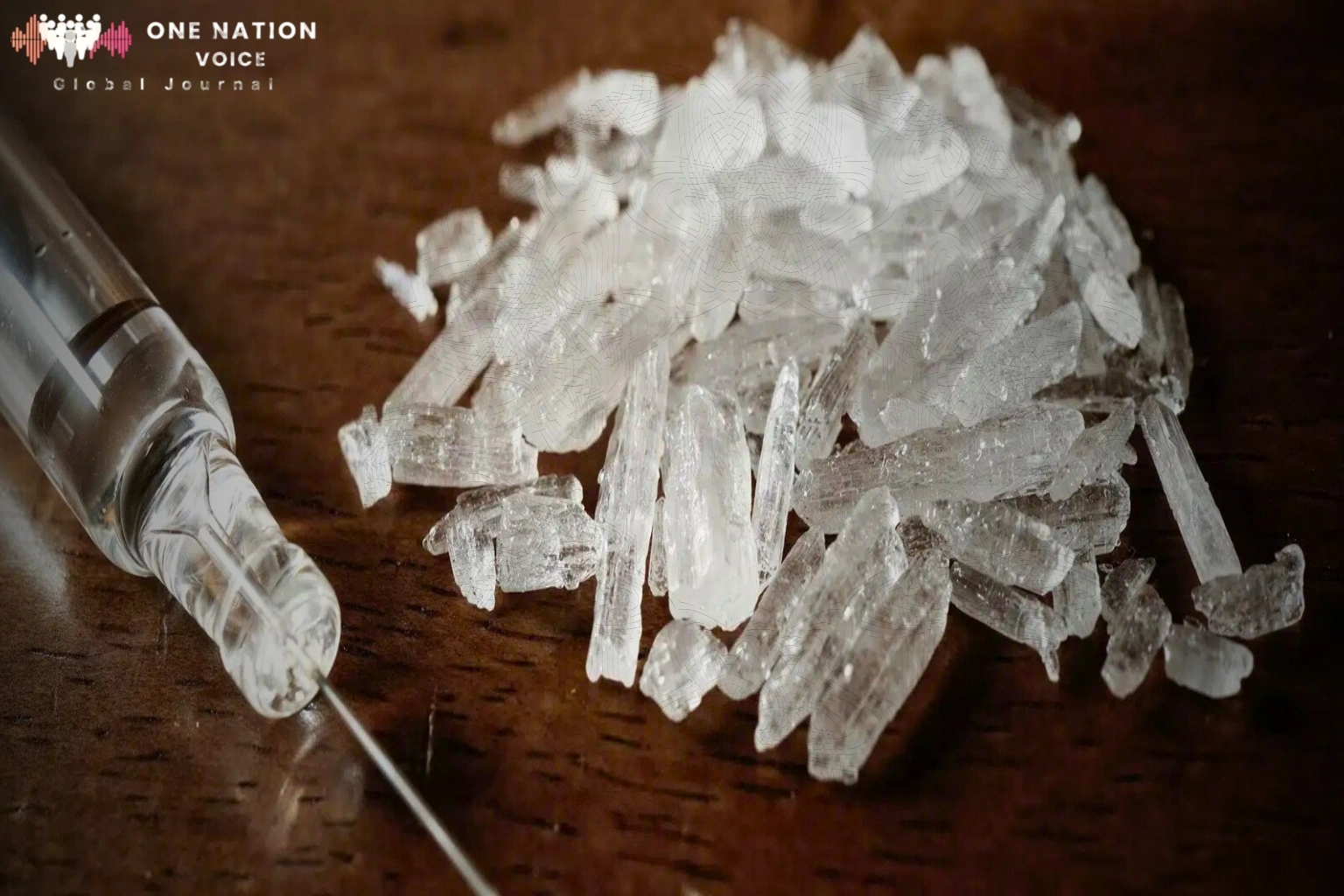
With poppy fields drying up, another, still more destructive industry commenced to grow. And the economy of narcotics in Afghanistan did not vanish but changed. The production of synthetic drug, especially methamphetamine has been growing rapidly in the country in the recent years. On the contrary, synthetic drugs do not need enormous areas and seasonal work as opium does. They may be produced all year round in small, secretive labs with fairly available chemical precursors.
This production new wave has changed the position of Afghanistan in the world narcotics market.
Meth labs have also been reported to be established in areas that were formerly poppy farming areas, which is indicative of the replacement of agriculture based drug economy to a chemical based drug operation. To the traffickers, synthetic drugs have several benefits. Like they are cheap to manufacture, transport, and difficult to detect.
Global Ripple Effects
This transformation has many implications which go well beyond the borders of Afghanistan. The narcotics trade in the country is changing to have links with more comprehensive trafficking networks that extend to the South and Central Asian regions, the Middle East and Europe. Law enforcement organizations are now confronted with a new and deadly challenge of monitoring and destroying decentralized production networks which leave very little footprint and are not easily eradicated through conventional campaigns.
Meanwhile, the attempts of Taliban to regulate drug production is also a paradox. The prohibition has mitigated the production of opium, but at the same time, it has enhanced the increase in production of synthetic narcotics which have become an even more difficult challenge to global counter-narcotics. The profits also flow, but only now do they flow through other channels.
The poppy fields of Helmand or the secret meth laboratories of Nimroz, Afghanistan is the center of narcotics in the world. It could alter the shape of trade but remains at the very heart of the global drug economy. Attempting to stop the production has only seen it move to the other drug, which brings out a greater reality of it all, which is that so long as the economic and political structure of Afghanistan is not set by the world, they cannot expect it to stop being the keystone of the global narcotics business, be it opium or synthetic.
The views and opinions expressed in this article are exclusively those of the author and do not reflect the official stance, policies, or perspectives of the Platform.