

Pakistan and Afghanistan Between Brotherhood and Betrayal

Pakistan and Afghanistan Between Brotherhood and Betrayal
For years, Pakistan has been Afghanistan’s most reliable neighbor due to their open borders, shared culture, and more patience than most countries would have shown. However, with the passage of time, that patience is wearing thin. The constant cross-border attacks by the TTP, and the Afghan Taliban’s refusal to act against them, have turned what used to be a brotherly relationship into one marked by anger and mistrust.
A Friend Who Stayed When Everyone Else Left
Moreover, when Kabul fell to the Taliban in 2021, almost every foreign mission packed up overnight.
Rather, Pakistan kept its embassy open, helped with evacuations, and continued to push at the UN for Afghanistan’s frozen funds.
The funds were about nine billion dollars and were used to release ordinary Afghans for their survival. It even used regional forums to call for trade and aid for Afghanistan.
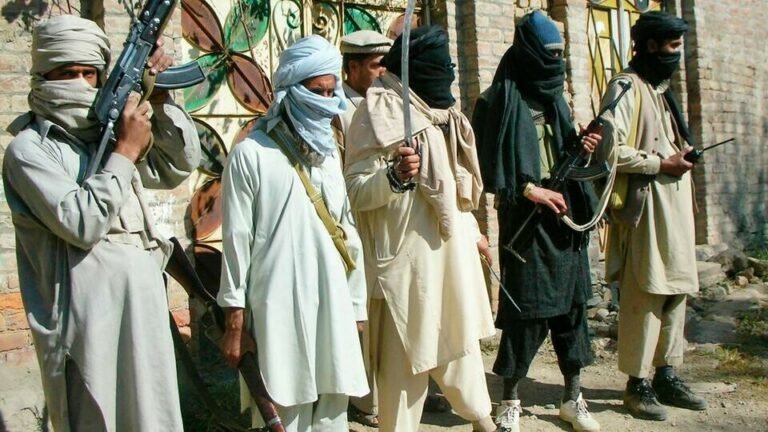
That kind of support came from Pakistan’s belief that a stable Afghanistan means a stable region. Instead of peace, Pakistan got a surge in terrorist attacks from across the border. The TTP, which had long targeted Pakistan, found shelter and support under the Taliban regime.

Cross-Border Violence That Will Not Stop
Additionally, there has been a disturbing pattern since 2022. Militants based in Afghanistan keep sneaking into Pakistan’s tribal areas and Balochistan to carry out attacks. Pakistani security reports show a steep increase this year, nearly 4,000 militants crossing from Afghan provinces like Kunar, Nangarhar, and Paktika into Khyber Pakhtunkhwa, and around 1,200 more into Balochistan.
Pakistan has shared concrete intelligence with Kabul, even pinpointing over 60 active terrorist camps. Yet nothing meaningful has been done. The Taliban government denies everything, even when the evidence tells another story.
The UN Confirms What Pakistan Has Been Saying
Furthermore, it is not just Pakistan making these claims. The 36th UN Analytical Support and Sanctions Monitoring Report (July 2025) backs much of what Islamabad has been saying for years. It lists at least six Afghan provinces including Kandahar, Helmand, and Zabul as safe havens for Al-Qaida fighters and TTP militants. The report even mentions three new training camps, where both groups operate together, and with the Taliban’s knowledge.

The UN estimates around 6,000 TTP fighters still operate freely in Afghanistan.
It is not a small rogue band, rather it is an organized army, and it could not survive without official protection.
Pakistan Tried Talking, More Than Once
Moving forward, it is not like Pakistan jumped straight to confrontation. It went out of its way to talk. Religious scholars, tribal elders, and government officials all made trips to Kabul over the past few years. Mufti Taqi Usmani led a delegation in 2022 to convince both the Taliban and TTP, to stop the bloodshed. Tribal jirgas followed with the same message.
At the government level, Defense Minister Khawaja Asif and the DG ISI visited Kabul in early 2023, while Interior Minister Naqvi did the same in 2024. Pakistan even pushed for joint trade and counterterrorism efforts. The Early Harvest Program was supposed to be a win-win, cutting tariffs and boosting commerce between the two countries. But good intentions only went in vain so far. So, the Taliban’s promises have not matched its actions.

Sheltering Terrorists Is State Policy, Not Accident
Besides, one of the biggest open secrets in the region is that TTP leader Noor Wali Mehsud lives in Kabul. Reports say he gets financial support from the Afghan regime. His presence was practically confirmed, when both Taliban and TTP-linked social media accounts quickly denied rumors of his death in Kabul earlier this year.
Similarly, there is clear proof of Afghan nationals taking part in attacks inside Pakistan. The suicide bomber who struck the Frontier Constabulary HQ in Bannu, or the group that targeted the police training school in Dera Ismail Khan, are cases in point. In total, more than 200 Afghan citizens have been killed during anti-terrorism operations inside Pakistan.
It is even worse when one looks at the weapons these militants are using. Many of them are the United States and NATO arms left behind during the 2021 withdrawal. Examples included M16s, M4s, night vision gear, and thermal scopes, that are now being sold by Afghan commanders to the TTP and BLA.
Pakistan’s Patience Is Not Infinite
On top of that, Pakistan has hosted Afghan refugees, who were almost more than five million, at enormous cost, for over forty years. It educated Afghan students, built hospitals, and gave Afghanistan free access to its ports through the APTTA agreement. Even today, Afghans can cross the border with local permits instead of passports, which is a level of openness unheard of anywhere else.
But every relationship has limits. Pakistan’s soldiers, police, and civilians continue to die in attacks that can be traced back to Afghan territory. Thus, Islamabad has made it clear that peace is still the preferred path, but it will not allow its sovereignty to be violated endlessly.

Where Things Stand Now
In the present time, this situation does not have to spiral further. The Taliban leadership still has a chance to act responsibly, and to show it can govern, not just control. Denying the existence of TTP sanctuaries or pretending the violence is Pakistan’s internal problem fools no one. Even the UN has called that out.
Meanwhile, Pakistan’s stance is not unreasonable. It wants the Taliban to crack down on terrorist camps, stop cross-border infiltration, and honor its promises under the Doha Agreement. If Afghanistan truly wants to be seen as a legitimate state, it cannot keep offering haven to groups that attack its neighbors.
Further, Pakistan is not closing its doors. It still believes in dialogue, trade, and regional cooperation. But it has also made one thing clear that the defense and security of its people come first. So, the ball is now in Kabul’s court.
Hence, Afghanistan can either be the neighbor Pakistan hoped for, one that values peace and partnership, or it can keep letting its soil be used by terrorists. However, history shows that ignoring this problem never ends well for anyone, on either side of the border.
The views and opinions expressed in this article are exclusively those of the author and do not reflect the official stance, policies, or perspectives of the Platform.

