


Debunking The Diplomat’s Misleading Story on Aafia Siddiqui
In the last few years, parts of the international press have become more selective and reductionist when it comes to Pakistan. They often favor stories that fit with their own geopolitical biases instead of stories that are based on facts. The Diplomat has become one of the most well-known outlets, and its editorial choices are becoming more and more like the talking points of people who are against Pakistan’s security policies. The magazine says it is a place for well-informed analysis, but its coverage pattern shows that it often favors views that make Pakistan look bad, no matter how factual or contextual they are. These kinds of behaviors hurt the credibility of journalists and make it harder to understand how complicated regional dynamics really are.
This pattern was clear from March to May 2025, when The Diplomat published almost thirty articles about Balochistan in just eight weeks. The sheer number of articles, along with the fact that they all had the same theme, not only showed that the editors were obsessed but also that they were trying to make Pakistan’s counterterrorism operations look bad. Rather than looking into the complicated security situation, recognizing the part that foreign-backed militant groups play, or looking at the province’s social and economic situation, the coverage mostly focused on making Pakistan look like the main cause of instability. This kind of one-dimensional framing makes people worry that the publication’s editorial stance is being shaped by advocacy groups that want to turn people against Pakistan.
The problem isn’t the scrutiny itself; a free press needs to be able to criticize the actions of the state. The problem is that there is no balance, proportionality, or methodological rigor
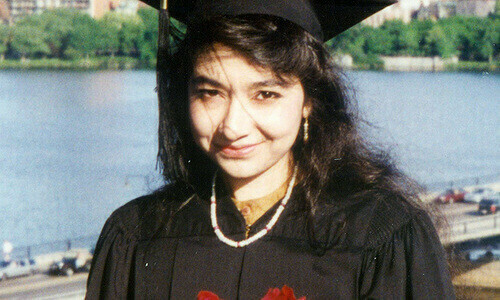
This broader pattern of selective framing set the stage for The Diplomat’s December 11, 2025, article about Dr. Aafia Siddiqui. This article is a good example of agenda-driven journalism instead of objective reporting. The headline, which is the most important and noticeable part of any article, said that Pakistan’s security agencies “sold” Aafia Siddiqui to the US. But the rest of the article went against this shocking claim. The sources referenced in the article did not support the claim, and in fact, they confirmed important facts that directly contradict the way the article was written. This disconnect between the headline and the content is not a simple mistake; it is a deliberate choice by the editors to provoke, incite, and support an anti-Pakistan narrative, even if it doesn’t make sense.
The article itself agrees with some of the points that go against the claim made in its headline. First, it admits that Aafia Siddiqui was taken into custody in Afghanistan, not Pakistan. Second, it says that US forces and intelligence officers arrested and questioned the person on Afghan soil, which means that the events were not directly related to Pakistan’s operations. Third, it tells the main event that got her convicted: Siddiqui shot and hurt an American interrogator while being questioned.
These facts are the main points of the legal case that was decided in the United States, and the people named in the article, such as Clive Stafford Smith and Muzammil Shah, have never credibly disputed them
Even though the publication admitted these things, it chose to base the story on an unproven claim that Pakistan was involved. This is not just misleading; it is a deliberate distortion. The article’s credibility is further hurt by the choice to rely heavily on statements from people who have been advocates for a long time without putting their ideological biases in context. For instance, Clive Stafford Smith has made a name for himself around the world by fighting for the rights of detainees who are connected to Al-Qaeda and other extremist groups. His views might be useful in some debates, but it is not the job of a journalist to present them as neutral or final without criticism.
The story about Aafia Siddiqui in American politics must also be seen in this light. While some lobbyists and commentators tried to make her case seem like a human rights issue, especially during times of political unrest in Pakistan, most people have not accepted this view. Pakistanis are very aware of the security threats the country has faced for the past twenty years, and they don’t have much sympathy for people who are directly or indirectly connected to extremist networks. So, the idea that Pakistan has a moral or strategic duty to bring Siddiqui back home is not based on what people think or what the government needs to do to fight terrorism.
The case was heard in a US court, where evidence and witness testimony were used. Not agreeing with the outcome is a political stance, not a legal fact
The Diplomat’s article, on the other hand, tries to bring back a story that doesn’t have much meaning in Pakistan itself. This revival is not by chance; it is part of a larger information campaign to make people lose faith in Pakistan’s security institutions and to frame counterterrorism successes as violations of human rights. The magazine adds to a skewed international conversation by selectively amplifying voices and points of view that fit a preplanned storyline. This makes adversarial interpretations more important than balanced analysis.
The media in Pakistan, including print, electronic, and digital, needs to respond with criticism that is based on facts. It is important to point out the methodological flaws, selective sourcing, and editorial inconsistencies of publications that spread biased stories. This is important not only for protecting national interests but also for maintaining journalistic integrity around the world. The Diplomat’s misleading framing of the Aafia Siddiqui article is part of a clear pattern, and these kinds of patterns need to be looked at very closely. Pakistan’s viewpoint, based on legal realities and national security necessities, must be expressed assertively and consistently to combat disinformation and maintain factual discourse.

