
Exposing PTM’s “Missing Persons” Propaganda
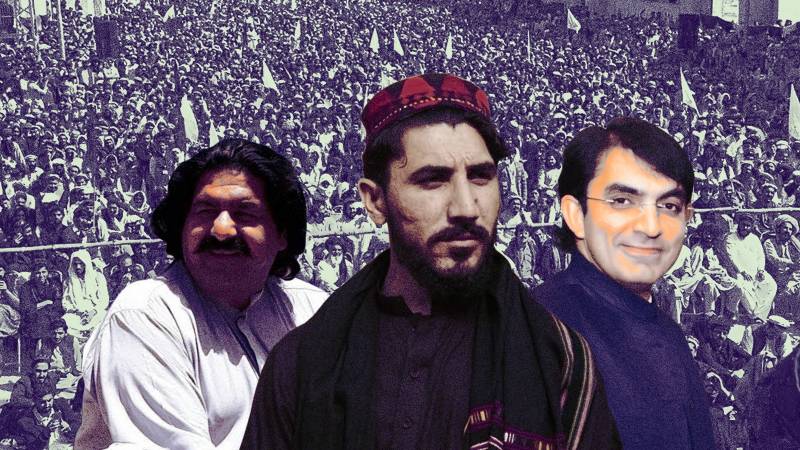
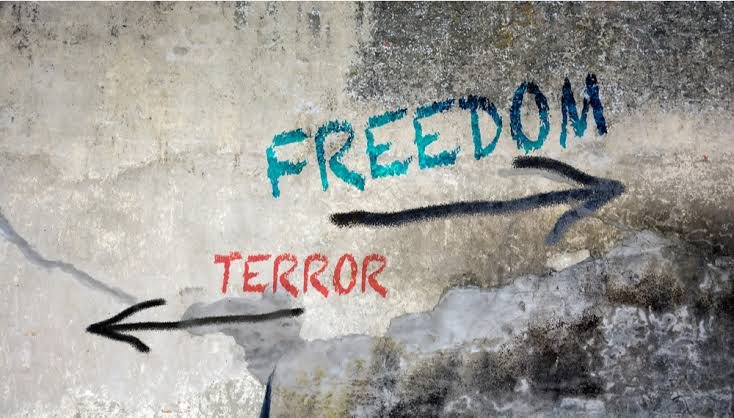
The Pashtun Tahafuz Movement (PTM) has been promoting an emotionally charged narrative about so-called “missing persons” for a number of years, positioning itself as a human rights advocate. Its messaging depicts the state institutions of Pakistan as engaging in extrajudicial actions, torture, and widespread enforced disappearances against Pashtuns. PTM has made a concerted effort to make these accusations more widely known, frequently working in tandem with separatist groups and activists in other countries who have a similar hostile attitude toward Pakistan. However, a closer look reveals that PTM’s campaign is not an impartial human rights endeavor but rather a politicized project that obscures the complex security realities that have shaped the region for 20 years by portraying those engaged in violent militancy as innocent victims.
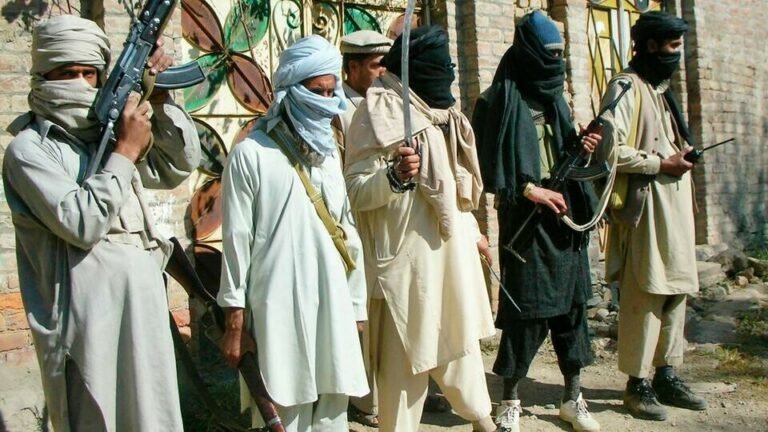
Numerous people identified by PTM as “missing” have been connected, either directly or indirectly, to Tehreek-e-Taliban Pakistan (TTP) or related networks, according to security officials and analysts with knowledge of counterterrorism dynamics in Khyber Pakhtunkhwa and the former FATA areas. These connections range from actively taking part in attacks to offering safe havens, shelter, and logistics that made it possible to carry out operations against both security personnel and civilians. The distinction is important: The majority of TTP atrocities, including massacres of children, elders, religious groups, students, and public employees, have affected Pashtun communities.
PTM frequently reintroduces those who enabled those attacks into public discourse as innocent victims of state persecution rather than as militants or facilitators when they vanish from their villages or are apprehended through legal investigative procedures
This is not a coincidental reframing. It serves as a tactical instrument. PTM fosters public sympathy by portraying suspects or operatives as innocent bystanders while deflecting attention from the networks that are causing great suffering. By doing this, it conceals the identities of the actual victims—the thousands of Pashtuns killed in attacks using improvised explosive devices, school assaults, mosque bombings, and targeted killings. These victims are seldom mentioned in PTM’s discourse, which instead focuses its efforts on creating a narrative of systematic victimhood centered on people who, according to law enforcement records and counterterrorism assessments, frequently held positions that put their own communities in danger.
Pakistan’s legal system offers several channels for resolving complaints about detention, alleged abuses, and disappearances. The purpose of judicial commissions, oversight organizations, and appellate procedures is to facilitate review, accountability, and redress. Serious concerns about intent are raised by PTM’s choice to eschew these organizations and pursue its claims in international forums. Instead of seeking justice via recognized legal channels, PTM uses rhetoric intended to completely undermine Pakistan’s institutions. This strategy undermines public confidence and the legitimacy of procedures that can effectively address valid complaints by turning a potentially productive policy debate into an anti-state campaign.
PTM’s affiliation with foreign organizations and activists, whose goals frequently conflict with Pakistan’s national security interests, exacerbates these worries. In order to exert diplomatic pressure on Pakistan and provide political cover to extremist networks, international lobbying efforts selectively highlight accusations while hiding the operational footprint of militant organizations. Such advocacy helps those who have long worked to undermine Pakistan’s stability and shatter its social cohesiveness, whether on purpose or accidentally.
This raises the inevitable question for many observers: when PTM universalizes its claims overseas while omitting local context, supporting data, and the voices of communities devastated by terrorism, whose interests are really advanced?
The repercussions are concrete. Counterterrorism operations are made more challenging each time militants or facilitators are presented as “disappeared innocents.” Communities already traumatized by decades of violence become more divided as public confusion increases. By regrouping, recruiting, and penetrating areas where local vigilance has been undermined by politicized narratives, militants take advantage of this confusion. As a result, there is a security environment that is more prone to violence and less sensitive to the needs of the most vulnerable Pashtun families, who simply want peace, stability, and the chance to start over.
Despite criticism and operational flaws that come with being a large organization, Pakistan’s security forces have taken on an exceptional burden in defending these communities. Confronting militants who have embedded themselves among civilians has resulted in thousands of personnel being killed or injured. Detentions, investigations, and operations are carried out within the bounds of law and supervision; those arrested are people who are deemed to be a threat to public safety rather than abstract symbols. PTM distorts reality and runs the risk of inciting public animosity toward those attempting to secure the area when it categorically depicts such acts as oppression.
As a result, PTM’s narrative approach, which is based on emotional storytelling, selective outrage, and external amplification, has become indistinguishable from a political endeavor meant to undermine the legitimacy of the state. PTM presents itself as a platform for hostile agendas rather than as an advocate for Pashtun welfare by defending those involved in violent networks while demonizing organizations entrusted with dismantling those networks.
When one considers what is lacking from PTM’s activism, a persistent recognition of the Pashtun men, women, and children killed by terrorism, or any meaningful demand for accountability from the militant groups responsible, this stance becomes particularly striking
It is impossible to avoid the fundamental question that arises: why does PTM attack Pakistan’s security forces, which are arguably the main defense against militant violence against Pashtun communities, while defending or recasting those affiliated with groups that have repeatedly targeted those same communities? This story’s asymmetry says a lot. It exposes a movement that is more focused on international pressure campaigns, political confrontation, and the creation of a grievance narrative that ignores the lived realities of terrorism’s victims than it is on universal human rights.
Narratives must be grounded in evidence, context, and a dedication to peace if Pakistan is to continue bolstering its counterterrorism architecture and fulfilling its duties to its citizens. However, PTM’s current course undercuts those goals by hiding dangerous networks behind the rhetoric of rights and hiding the dangers Pashtun communities still face.

