
India-Taliban Engagement
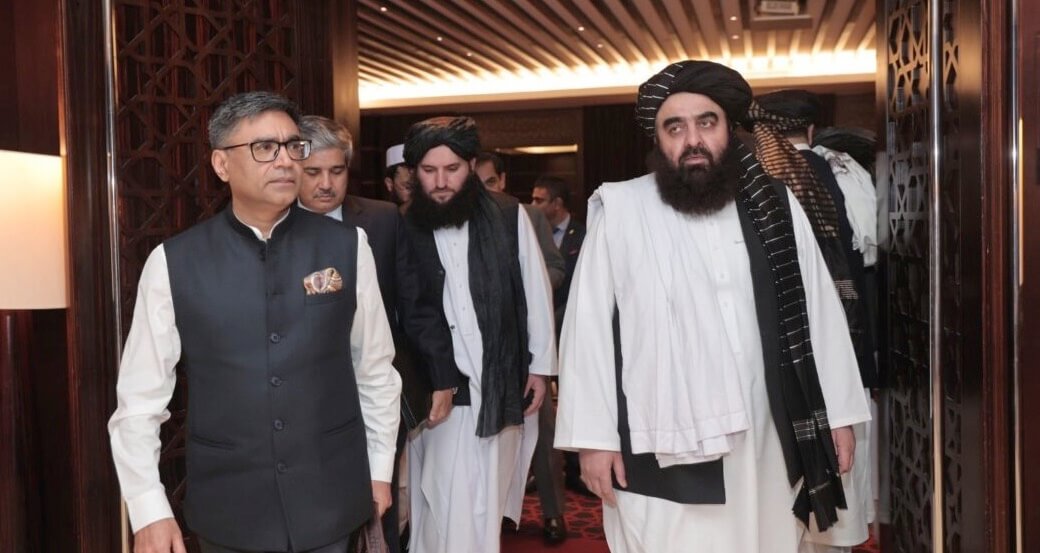
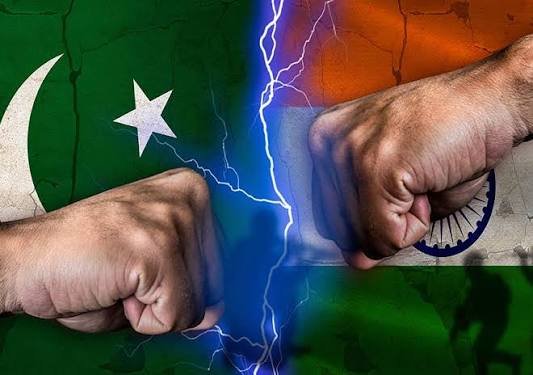
India’s recent diplomatic outreach to the Taliban marks a significant departure from its earlier approach to post-2001 Afghanistan, where it primarily supported the former Afghan Republic and avoided formal contact with the Taliban leadership. This shift reflects both realism and recalibration in India’s regional strategy. However, for Pakistan, the timing and nature of India’s growing engagement with Kabul carry far-reaching implications. The renewed dialogue, particularly after the October 2025 visit of Afghanistan’s Taliban Foreign Minister Mawlawi Amir Khan Muttaqi to India, is being viewed in Islamabad as part of a larger geopolitical contest with serious security consequences along its western frontier.
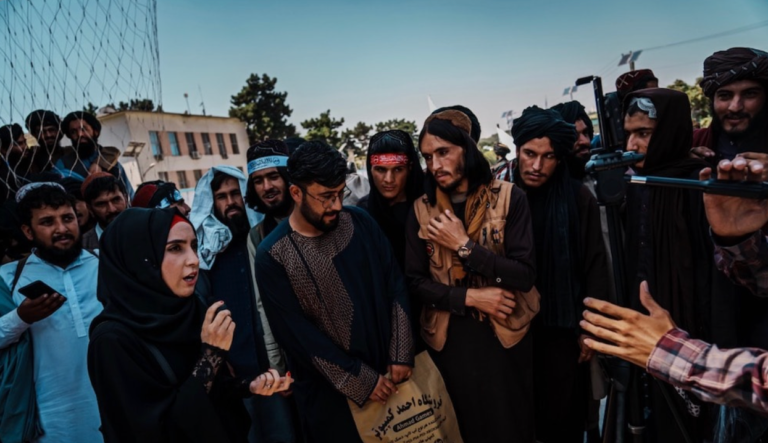
Pakistan continues to face mounting internal security challenges. The Afghanistan-Pakistan border has become increasingly volatile, with frequent attacks targeting security forces and civilians. Groups such as Tehreek-e-Taliban Pakistan (TTP) have intensified their operations, exploiting the porous frontier and the Taliban’s hesitant response to Pakistan’s calls for curbing cross-border militancy. Despite repeated engagements with Kabul, Islamabad has struggled to secure decisive action against groups using Afghan soil for operations against Pakistan. This backdrop of insecurity has deepened Pakistan’s anxiety over India’s visible diplomatic and developmental re-entry into Afghanistan. The perception among policymakers in Islamabad is that New Delhi’s renewed presence could embolden hostile actors already exploiting the fragile border environment.
The persistence of cross-border attacks and growing coordination among militant factions has raised fears that Afghanistan might again serve as a theater for proxy competition, with Pakistan as the immediate casualty
India’s policy towards Afghanistan has long been driven by concerns about regional stability, connectivity, and countering Pakistan’s influence. The Taliban’s return to power in 2021 forced New Delhi to reassess its options. Initially cautious, India gradually began limited contact with Taliban officials, citing humanitarian concerns and the need to protect its developmental investments in the country. By 2025, this engagement had evolved into a structured diplomatic relationship. The visit of Taliban Foreign Minister Muttaqi to New Delhi and reciprocal Indian delegations to Kabul symbolize the normalization of ties that once seemed improbable.
While India publicly frames these discussions around trade, humanitarian aid, and regional connectivity, intelligence assessments in Pakistan suggest deeper strategic motives. Reports indicate that elements of India’s Research and Analysis Wing (RAW) may be leveraging these diplomatic channels to coordinate or at least influence activities detrimental to Pakistan’s security interests. For Islamabad, this represents not simply an external engagement between two sovereign actors, but the re-emergence of a potential hostile alignment on its western border.
The geopolitical significance of Afghanistan has always extended beyond its borders. Pakistan’s security establishment fears that India’s evolving relationship with the Taliban could introduce a new layer of complexity to an already unstable frontier. The presence of RAW-linked operatives and networks in Afghanistan has been a recurring concern for Pakistani intelligence agencies.
In their assessment, Indian diplomatic activity may provide cover for intelligence operations aimed at coordinating with anti-Pakistan elements, particularly in border provinces like Kunar and Nangarhar, where cross-border militant sanctuaries persist
The fear is not without precedent. Historically, regional rivalries have played out through Afghan intermediaries, with each neighboring power cultivating influence for strategic depth. Pakistan’s own ties with various Afghan factions during the past decades illustrate this pattern. However, the current situation differs in that Islamabad itself is now under sustained attack from groups operating from across the border. The perception that India could exploit this vulnerability amplifies Pakistan’s sense of strategic encirclement.
Cross-border armed activity from Afghan soil remains a central concern for Pakistan’s national security apparatus. Militants continue to utilize Afghan territory as a logistical and operational base, benefitting from permissive conditions and complex tribal networks that span the border. Pakistan’s repeated demands for the Taliban to rein in such groups have produced limited results. Against this backdrop, any external facilitation, perceived or real, risks undermining already fragile counter-terrorism efforts. The growing Indian footprint in Kabul has also raised fears of indirect logistical support to anti-Pakistan groups. Intelligence reports suggest that movement corridors, safe havens, and supply routes in eastern Afghanistan are being reorganized in ways that could aid networks targeting Pakistan’s western provinces.
Islamabad’s leadership worries that even if India’s engagement is not overtly hostile, its presence could embolden actors who view Pakistan as a legitimate target
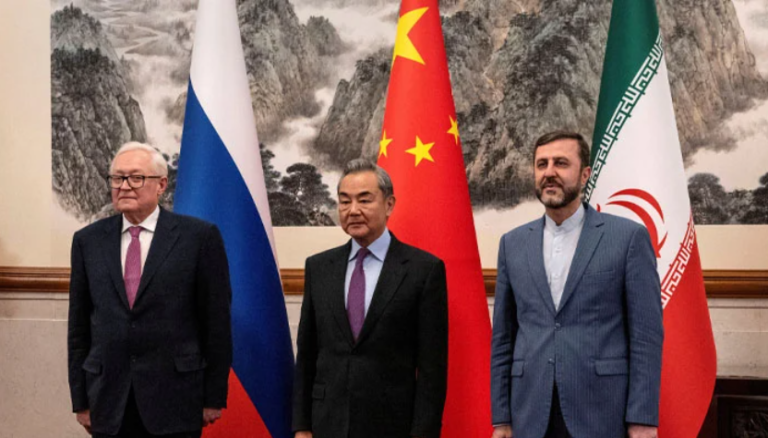
Pakistan’s policymakers now face a delicate balance. On one hand, they must continue engaging the Taliban government to secure border stability. On the other hand, they must contend with India’s parallel efforts to cultivate influence in Kabul. The perception of being strategically outflanked is pushing Islamabad to revisit its regional strategy, potentially deepening alignment with China and Russia, both of which remain wary of India’s expanding role in Central and South Asia.
For India, the engagement with the Taliban is a calculated move to ensure relevance in Afghanistan’s political future, safeguard development projects, and counter China-Pakistan collaboration under the China-Pakistan Economic Corridor (CPEC). From a strategic perspective, it also provides New Delhi with a foothold in a geography long dominated by Islamabad’s security calculus.
However, the risk is that this emerging rivalry could transform Afghanistan once again into an arena for regional competition rather than cooperation. Any escalation of proxy tensions would not only endanger Pakistan’s internal stability but also undermine broader regional counter-terrorism initiatives.
India’s diplomatic outreach to the Taliban represents both a pragmatic adaptation and a strategic gamble. It allows New Delhi to re-enter Afghanistan’s political and economic landscape but also exposes it to the region’s entrenched volatility. For Pakistan, the implications are severe. Facing persistent cross-border violence, internal political instability, and economic strain, Islamabad now confronts the possibility of renewed external manipulation along its western flank.
The perception that India, through RAW or allied networks, could exploit Afghanistan’s fluid environment to challenge Pakistan’s security interests heightens the risk of confrontation by proxy. Unless both New Delhi and Islamabad adopt restraint and transparency in their respective engagements with the Taliban, the region may witness a new phase of strategic competition reminiscent of past decades, this time with far greater implications for border stability, counter-terrorism cooperation, and the fragile balance of South Asian security.

