
India’s Makkah Pact Fiction Strategy or Envy?
There is a particular kind of intellectual dishonesty that masquerades as strategic analysis. India’s social media ecosystem, in the weeks since the Makkah Joint Defence Agreement was signed on August 7, 2026, has been running precisely that kind of operation, packaging envy as expertise, manufacturing failure narratives around an alliance barely six weeks old, and hoping that Pakistan, Türkiye, and Saudi Arabia won’t notice the hand pulling the strings.
They have noticed.
Start with the facts. The Makkah Joint Defence Agreement was signed at Al Safa Palace in Makkah by Saudi Crown Prince Mohammed bin Salman, Turkish President Recep Tayyip Erdoğan, and Prime Minister Shehbaz Sharif. It formally expanded the bilateral Strategic Mutual Defence Agreement that Pakistan and Saudi Arabia had already concluded in September 2025. Its collective defence clause is explicit: an armed attack against any one of the three signatory states is to be regarded as an attack against all three, grounded in the inherent right of collective self defence under Article 51 of the United Nations Charter. A permanent secretariat has been established in Riyadh with the first secretary general drawn from Pakistan. A joint committee met in Istanbul on August 31. The pact is very much alive.
Now enter the Houthis, and, riding their missile trails, India’s information warriors.
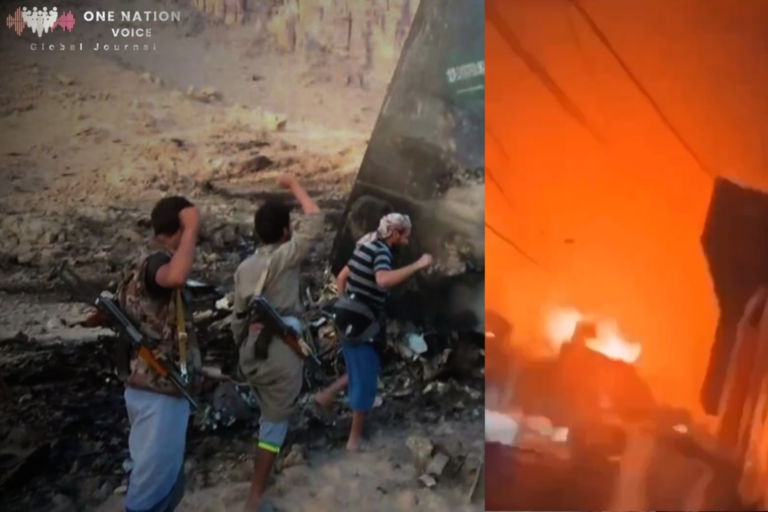
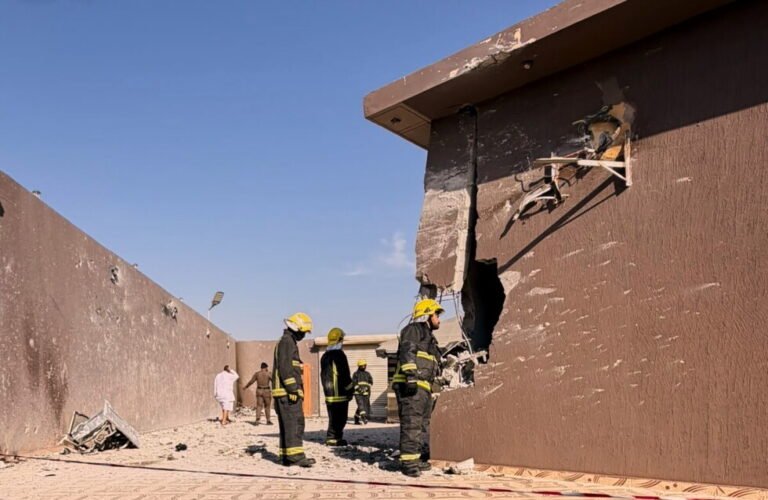
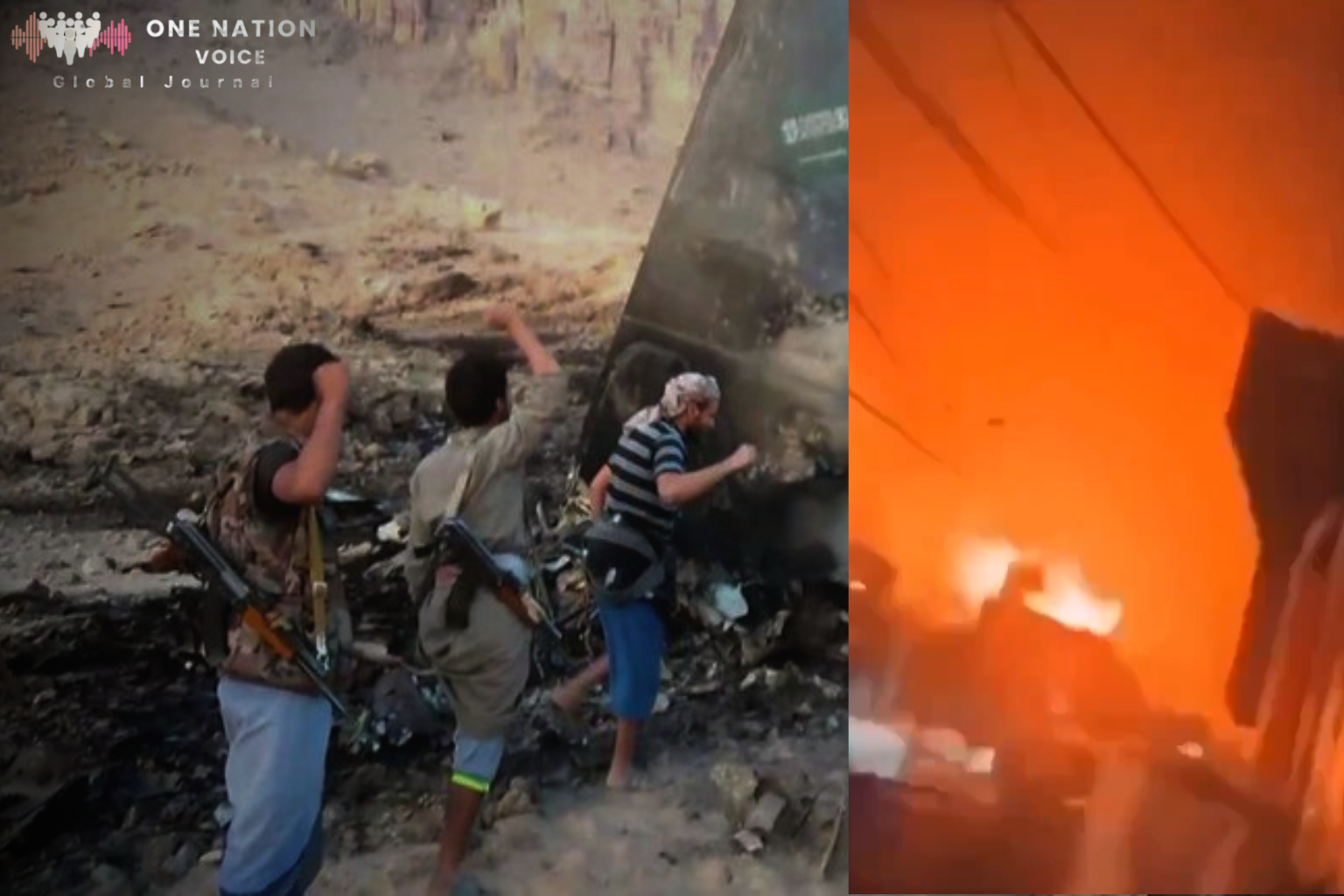
As Houthi attacks on Saudi Arabia’s energy infrastructure and cities intensified in September, Indian social media erupted with a familiar refrain: where are Pakistan’s troops? Where is Türkiye’s intervention? The Makkah Pact is a paper tiger. Three brothers who can’t fight together. The campaign was not subtle. It was designed to stoke jealousy, manufacture distrust, and drive wedges between three nations whose alignment represents, for New Delhi, a geopolitical headache it did not expect.
But this argument collapses the moment you apply elementary logic to it.
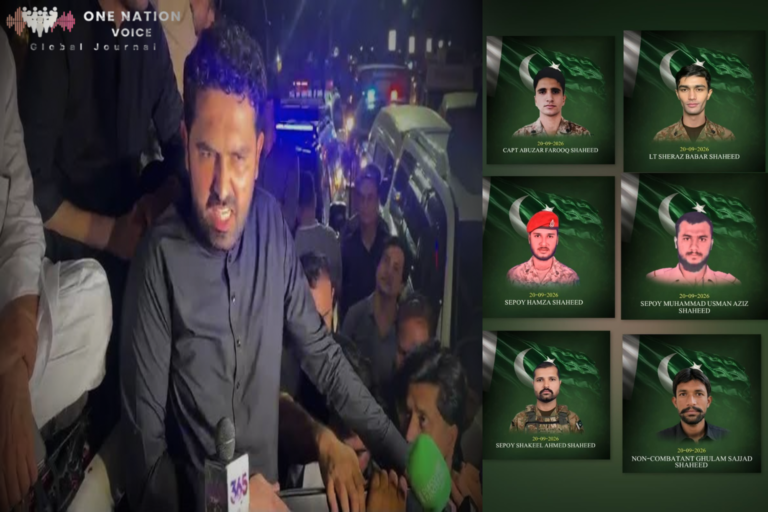
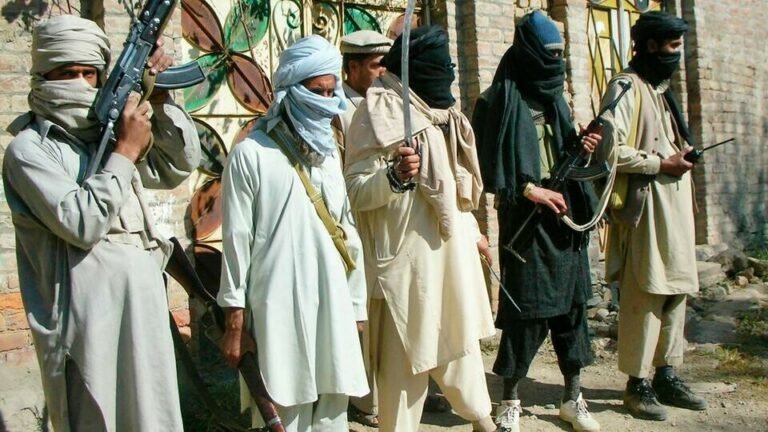
The Houthis are a terrorist militia, non state armed actors operating out of Yemen. Pakistan, it is worth remembering, faces its own terrorists and khawarij operating from Afghan sanctuaries: the TTP, Fitna al Khawarij, and BLA linked elements that regularly murder Pakistani civilians and soldiers. No serious analyst has ever suggested that the existence of these khawarij groups constitutes a failure of any treaty Pakistan has signed. Terrorist militias are not the conventional state aggressors that collective defence frameworks are primarily calibrated to deter. Reducing the Makkah Pact to “send troops or admit failure” is not analysis, it is deliberate distortion.
The Makkah agreement is, structurally, a deterrence architecture with a long institutional runway.
As Türkiye’s defence ministry clarified after signing, the pact’s fundamental goal is to place defence and military ties on “a more institutional and sustainable footing”, senior ministerial coordination, joint exercises, defence industry cooperation, and deepened military interoperability. These are not checkboxes you clear in six weeks. NATO took years to develop its integrated command structure and operational doctrine. The Makkah Pact, a newer and more complex arrangement across three distinct military cultures, is doing exactly what mature alliances do in their early stages: consulting, institutionalising, and signalling.
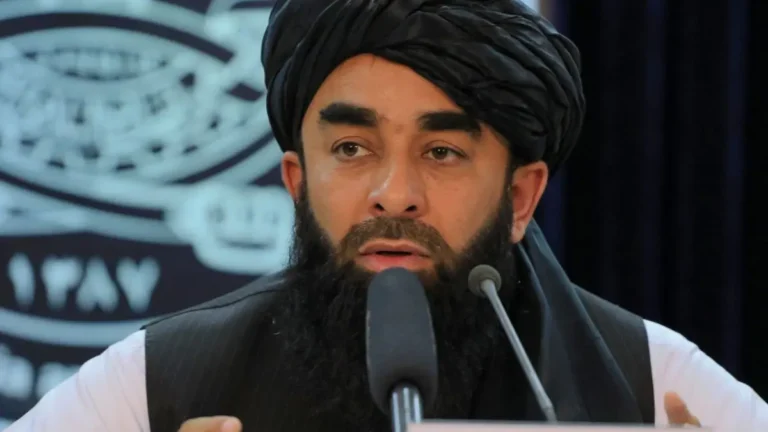
And the signalling has been unmistakable. Turkish Foreign Minister Hakan Fidan stated clearly that Saudi Arabia may have military needs and that Ankara is ready to meet them. Pakistan’s Defence Minister Khawaja Asif confirmed the pact would be implemented and that Pakistan “will honour” its terms “when the time comes.” The three foreign ministers convened their first committee meeting on August 31. This is not silence. This is precisely the consultation mechanism the pact was designed to activate.
What India’s narrative conveniently ignores is that even NATO, the gold standard for collective defence, does not operate as a reflexive deployment machine. When Article 5 was invoked for the first time after September 11, 2001, the response involved months of consultation and sequenced action. The Makkah agreement is still in its gestation period: no finalised rules of engagement, no published activation threshold, and Turkey’s domestic parliamentary ratification may not clear until October. Demanding an automatic military response from a pact that hasn’t even completed its legal ratification is not a standard. It is a trap.
Consider also who benefits from casting this pact as a failure. India’s national security establishment found the Makkah agreement deeply disquieting. New Delhi’s national security adviser reportedly visited Saudi Arabia four times in the past six months. India has since deepened its security partnership with Israel, with Modi and Netanyahu publicly exchanging messages the very day before the Makkah signing, a timeline that is not coincidental. The India Israel alignment accelerating in direct response to the Makkah Pact is itself evidence of how seriously New Delhi takes this trilateral arrangement. That anxiety is now being sublimated into social media campaigns designed to make the pact look hollow before it has had time to breathe.
Pakistan has been here before. It was a member of the 1955 Baghdad Pact. It helped Jordan during the 1970 Black September crisis. General Raheel Sharif led the Riyadh based Islamic Military Counter Terrorism Coalition. Pakistan’s institutional depth in Gulf security is decades long. The idea that Islamabad, with professional armed forces and a robust relationship with Riyadh it helped architect, would suddenly become a liability under a pact it co designed is not credible analysis. It is wish fulfilment.
The Makkah Joint Defence Agreement is a consequential development in a region undergoing rapid structural change: American strategic retrenchment, Houthi escalation, and a Gulf scrambling to build its own security architecture. The pact is still developing its operational sinews, but the political solidarity, institutional foundations, and strategic logic are firmly in place. That is what serious alliances look like in their early stages.
India’s social media machine can run as many distortion campaigns as it likes. The three signatories of the Makkah Agreement are watching, talking, and working together, and no amount of manufactured outrage will change that fundamental fact.

