
Kashmiri Students 2025 – From Classrooms to Courtrooms
Kashmiri Students 2025—From Classrooms to Courtrooms
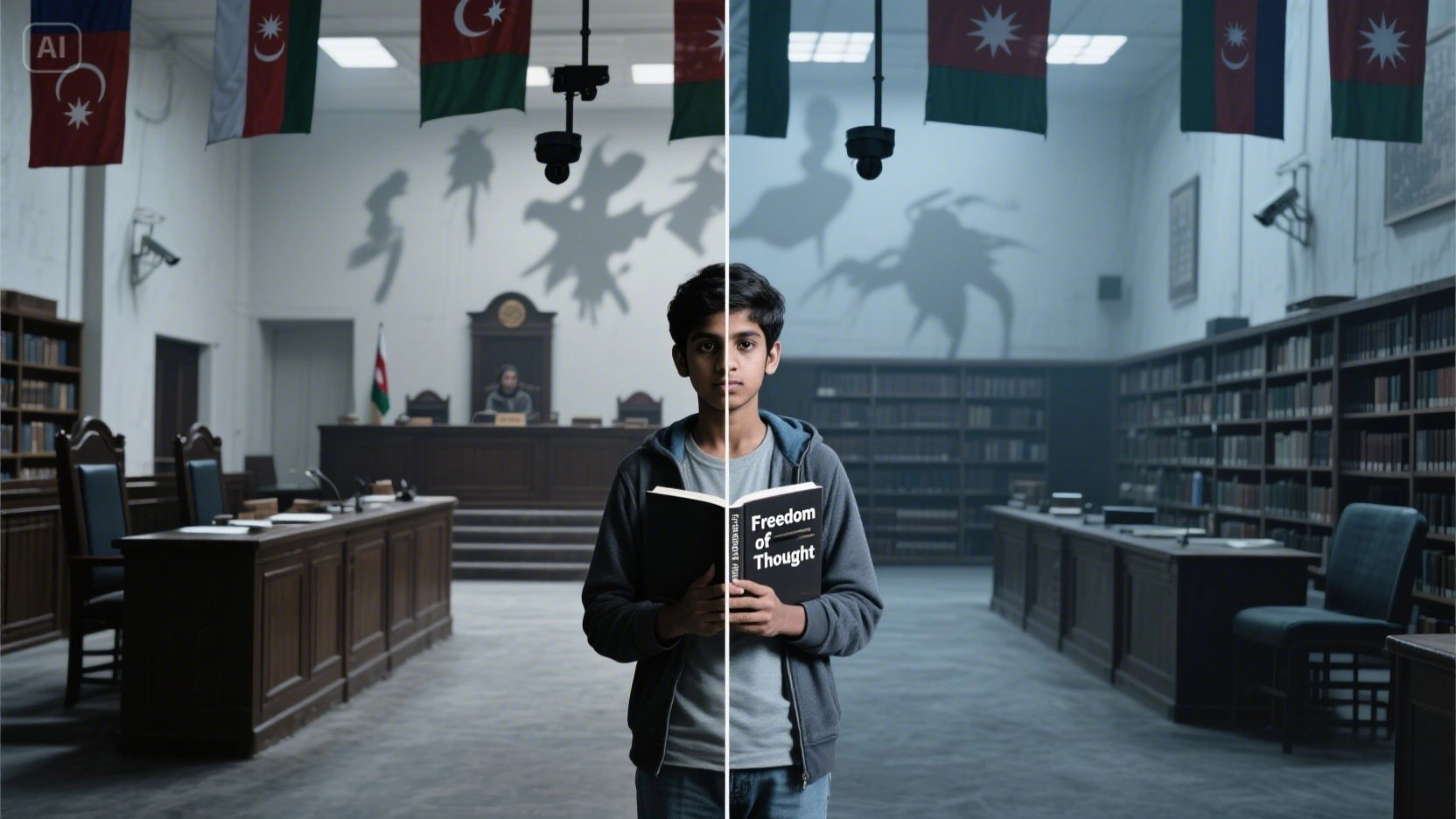
Overall, the case was disastrous in the spring of 2025, when classrooms across many of India universities faced a significant shortage, leading many of those who did attend classes to leave their seats and enter courts. More than two dozen Kashmiri students of some of the best institutions in the country like Delhi and Aligarh were arrested under the Unlawful Activities (Prevention) Act (UAPA) which has been described as the largest form of academic oppression in the history of India. What was their crime? Chanting in support of the cricket team they should hate, sharing memories and carrying poetry books in their backpacks.
This mass crackdown cannot be deemed as an action limited to arrests only, it can be called the story of the creation of enemies, weaponize fear, and the gradual turn of educational environments in India into the surveillance area.
Anecdotes of Absurdity
It all started on February 16, 2025, when India lost a cricket match to Australia, something which they had never done before. On the same night, 17 students at Aligarh Muslim University (AMU) were arrested under the accusation of celebrating the loss of India. The school and district administrators refused to produce video evidence or photos of the schoolchildren cheering on the spectators against the national team and even the invasion of the journalists into the building. Rather, they were done based on anonymous complaints and behind-the-backs gossip heightened by social media anger.
Only four days on, government affiliated media reported a list of 50 Pakistani– backed Kashmiri students. The list caused panic, but within 48 hours, 12 of the accused were shown to be at home in Kashmir on a winter break, hundreds of miles away from where they supposedly committed the crime.
The National Investigation Agency (NIA) went to the extent of announcing on March 3 that Kashmiri students were in receipt of funds by Lashkar-e-Tayyaba cyber cells. The news was full of created scares such as the terror pipeline on campuses. However, an RTI (Right to Information) reply unfolded a completely different story as the suspicious transactions were merely hosteling fees payment by the parents.
The ridiculousness intensified last Monday (March 18) when Delhi Police displayed a young Kashmiri scholar in front of the cameras as a “terror recruiter.” The so-called recruitment messages used as a part of the evidence were later turned out to be the inspirational cricket quotes posted on a fan page.
This harassment began to have human consequences. Two student suspects who were being held went to the extent of attempting suicide on April 5 after spending several weeks in custody following reports of torture and isolation. Their families have been initially denied the right to legal assistance and visitation, which demonstrates just how national security discourse can take precedent over primary rights.
And then it all came crumbling down on April 25 when an internal police memo was leaked in which the Delhi Police admitted:
No real connection has been made to terrorism; any move that has been made was to strengthen the morale of the nation.”
It was a cold reminder of what activists had been sounding the alarm about all along: it was not counterterrorism, but spectacles of control.
The Proof of Poetry
It is the so-called evidence used against these students that is comical but at the same time devastating. Authorities cited:
• WhatsApp memes about losses in IND cricket
• Usernames: Such usernames as Mujahid_007 and K2Sniper in PUBG were created.
• Possession of Urdu poetry books which is labeled to be a suspicious literature book.
In the environment where memes are crimes and poetry are a form of terrorism, the line between dissent, identity, and terrorism becomes elastic, which traps anyone that the state wants to shut down. This has turned into a form of vulnerability when Kashmiri youngsters decide to attend campuses within India.
The World of Outrage and a Limited Democracy
The international community has been quick to condemn. Amnesty International deemed the arrests as being the criminalization of education and the UN Special Rapporteur on the Right to Education, requested that India release the detained students immediately.
Even the academic institutions in other countries noticed. The Harvard Law Review even made a Special Issue Column entitled, “When Students Become the Enemy of the State” on how the crackdown is a menacing precedent to academic freedom that they could forecast everywhere in the world. The column cautioned that the last thing we can afford is classrooms converting into court rooms as the impact of such a development will make the democratic institutions lose all credibility.
This episode has also broken the soft power story of India. Once touted as the world largest democracy, the country is now facing dilemmas on its treatment of minorities, misuse of anti-terror laws as well as its reduced tolerance of free expression.
The Battlefield in part is real
National security is a term used by the authorities, but it is psychological warfare against a generation. What it really seeks to do is punish those perceived as offenders, but it is also meant to deter an entire community from speaking, studying, or even exist without suspicion.
By creating criminal evidence out of memes, intelligence leads out of PUBG usernames, and contraband, poetry, the state delivers the message that nothing is too insignificant to be spied upon and nothing too internal to be criminalized. It is straightforward: education of the Kashmiri youth is a favor subject to silence.
This reassessment undermines the social compact between citizens and the state, as well. The law itself becomes an embarrassment when an honorable thing like payment of hostel fee becomes a funding of terrorism, and a motivational quote becomes a recruitment poster. It is no longer a counter-insurgency measure, but a cultural elimination one, in which the classroom is now a watching place but not a learning one.
Who needs to be on Trial?
The case of the Kashmiri students in 2025 will not be one in which bad radicalized people were targeted, nor will it be a case of bad people being tricked into becoming helpful villains. Such arrests are not conducive to security; they undermine trust and are divisive to campuses and open to condemnations the world over.
As the world observes, one thing gets to rattle around the globe:
When classrooms become courtrooms and students are suspects, who is the criminal, a young intellectual with a meme, or a system that is afraid of his voice?
Choices are made as wars are fought between nationalism and knowledge and the cost is not paid in terms of either victor, but the diminished dreams of a generation.
Disclaimer:
The views and opinions expressed in this article are exclusively those of the author and do not reflect the official stance, policies, or perspectives of the Platform.

