

When Gujranwala Wept A Nation’s Debt to Its Martyrs
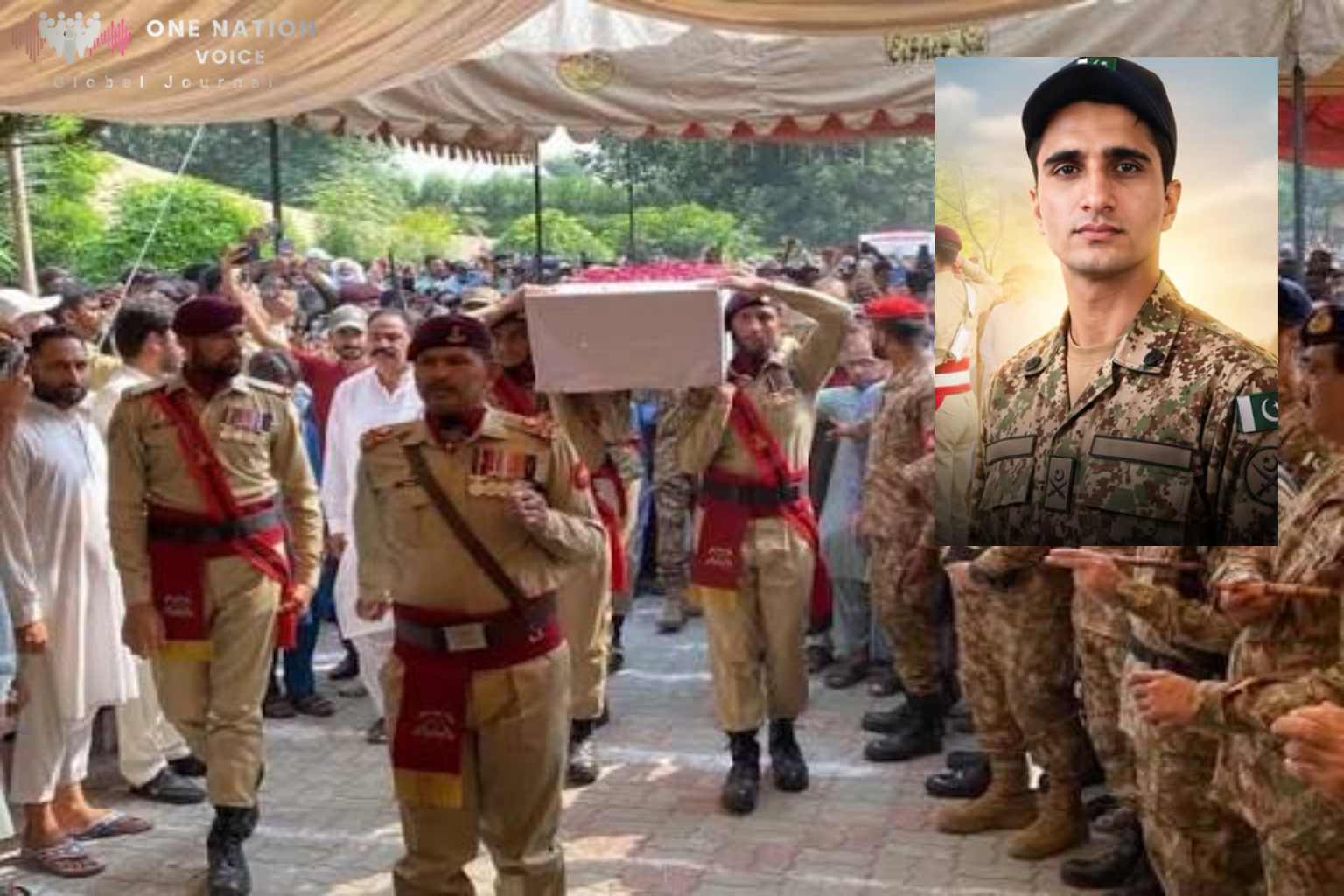
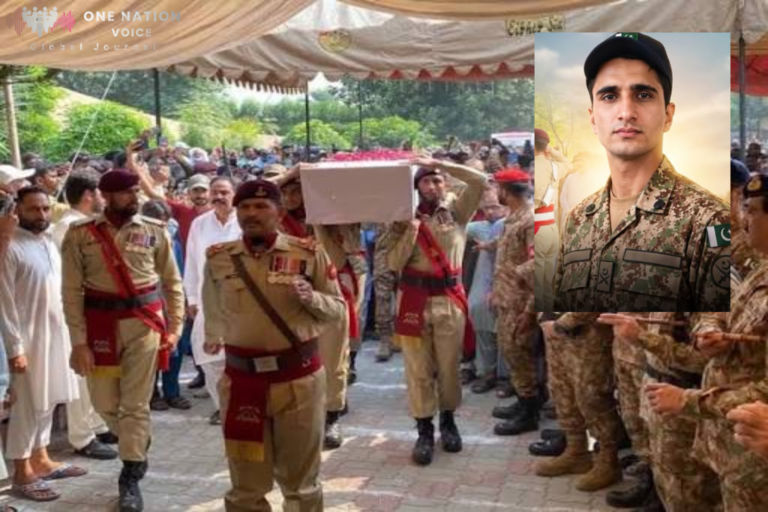
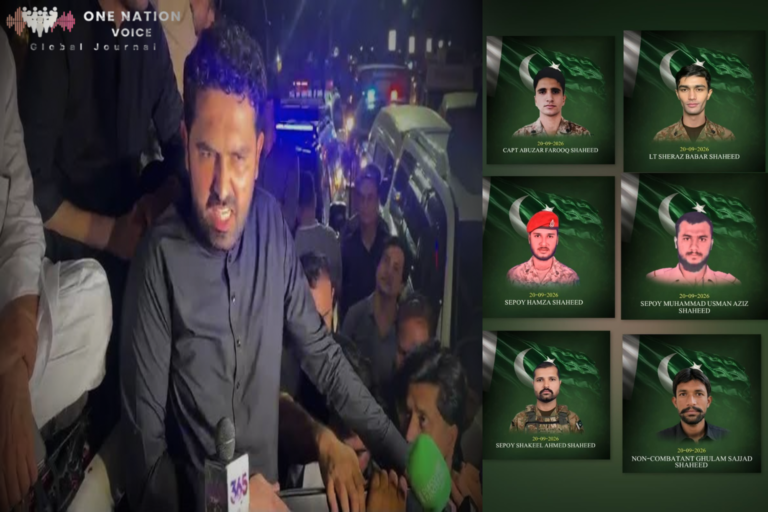
There are moments that cut through the noise of everyday life and remind a nation of what truly matters. The arrival of Captain Abuzar’s flag draped coffin in Gujranwala was one such moment. Streets fell silent. Grown men wept openly. And then, from the gathered crowd, rose something profound, Nara e Takbeer, Allahu Akbar, and Pakistan Zindabad, chants that carried not just grief, but gratitude, reverence, and an unbreakable national spirit. In those chants, Pakistan’s soul spoke.
This is not an isolated story. It is the story of a nation at war with shadows, and the young men who stand between those shadows and the rest of us.
The Numbers Behind the Sacrifice
To understand what Captain Abuzar’s martyrdom represents, one must look at the broader picture that has emerged in 2026. According to ISPR figures cited in recent days, Pakistan’s security forces have already eliminated over 2,084 terrorists in the current year alone, outpacing the 2,597 killed during the entirety of 2025. That is roughly ten terrorists neutralised every single day. Meanwhile, 3,145 terror incidents have been recorded this year, a chilling reminder that the threat is neither diminishing nor merciful.
The human cost on Pakistan’s side has been equally stark. By early August 2026, a total of 819 people had embraced martyrdom, 303 of them from the Pakistan Army, 194 from law enforcement agencies, and 322 innocent civilians. These are not abstract statistics. Each number is a name. Each name is a family. Each family is a hometown where a flag wrapped casket arrived one day, carried by men in uniform, followed by the soft, breaking sound of a mother’s prayer.
Captain Abuzar was one of those names. And Gujranwala was one of those hometowns.
The Enemy They Face
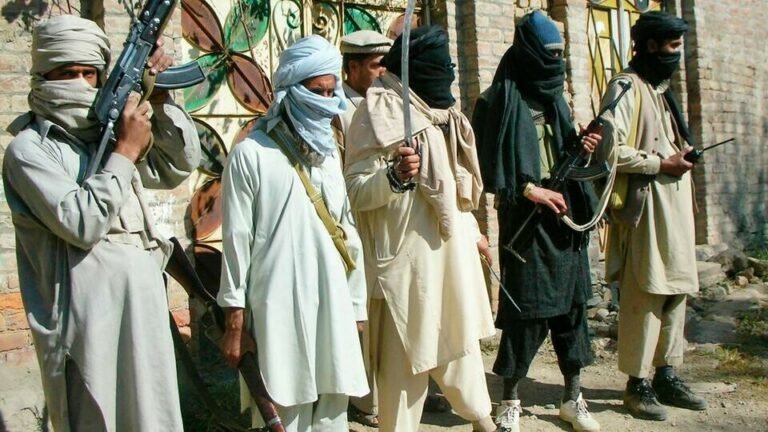
It is important to name clearly what Pakistan’s soldiers are fighting against. The Khawarij, terrorists who have weaponised religion for political violence and chaos, continue their campaign of bloodshed under the umbrella of Fitna al Khawarij (FAK), actively sponsored and supported by foreign hands. ISPR has consistently documented the Indian proxy role in fuelling this menace, describing these groups as “Fitna al Hindustan” in its official statements. Operations throughout 2026, in Hangu, North Waziristan, Balochistan’s Barkhan, Lakki Marwat, and beyond, have repeatedly confirmed the foreign sponsored nature of the terrorism that Pakistan’s soldiers confront.
What makes the Khawarij particularly despicable, beyond their violence, is their moral bankruptcy. During an IBO in Hangu in early August, security forces reported that cornered Khawarij fleeing under pressure took refuge inside a mosque, blatantly desecrating the sanctity of a house of worship to use it as a human shield. These are not people of faith. These are enemies of faith, of order, and of humanity. And they are precisely who Captain Abuzar and his fellow soldiers stood against.
Leading From the Front
There is a phrase that appears again and again in ISPR statements, “leading his troops from the front.” It appeared for Captain Hamza Akram, martyred in Hangu on August 7, 2026. It appeared for Major Hafiz Ihsan Elahi, martyred in North Waziristan. It appears for so many of these young officers who gave their last breath in the unforgiving terrain of Pakistan’s frontlines.
It is easy to dismiss this as military language, official boilerplate. But those who have served, or who have buried someone who served, know it is literal truth. These officers do not send men into danger from a distance. They go first. They bleed first. And sometimes, they fall first.
Captain Abuzar embodied this. His funeral in Gujranwala was not merely a ceremonial goodbye. It was a city’s recognition that one of their own had walked into the hardest place imaginable and had not walked back. The tears in the eyes of civilians who lined the streets were not performative. They were the tears of people who understand, at some deep, wordless level, the magnitude of what was sacrificed on their behalf.
Operation Azm e Istehkam: The Strategic Backdrop
Captain Abuzar’s sacrifice sits within a larger national effort. Operation Azm e Istehkam, approved by the Federal Apex Committee on the National Action Plan, represents Pakistan’s most comprehensive and sustained counterterrorism drive in recent years. It is not a single operation, it is a vision, a campaign posture, an institutional commitment to eliminate foreign sponsored terrorism from Pakistani soil comprehensively and decisively.
The results, even at the cost of tremendous sacrifice, are tangible. Terrorist hideouts across Khyber Pakhtunkhwa and Balochistan have been destroyed in large numbers. Weapons caches have been seized. Networks linked to Fitna al Khawarij and Fitna al Hindustan have been disrupted. The pace of operations in 2026 has exceeded that of any previous comparable period. This is not coincidence, it is the product of institutional resolve, built on the sacrifices of people like Captain Abuzar.
Prime Minister Shehbaz Sharif has reaffirmed on multiple occasions that the fight will continue “until this menace is eliminated from the country.” Those words would ring hollow without the men who back them with their lives.
What Gujranwala Told the Nation
The public outpouring in Gujranwala matters. It matters because in a world increasingly dominated by cynicism and noise, genuine collective grief is rare. When a city comes out, not because it was told to, not because cameras were arranged, but because it felt something, that is a statement.
It says: we see you. It says: we know what you did. It says: we will not let this be forgotten.
The chants of Pakistan Zindabad at a martyr’s funeral are not nationalism in its hollow political sense. They are something deeper, a recognition that this country is worth protecting, that those who protect it at the cost of their lives deserve the permanent gratitude of every citizen who sleeps safely because a soldier did not.
The Nation’s Responsibility
Honouring martyrs is not only about funerals and chants. It is about ensuring that the families left behind are taken care of, that mothers who gave their sons to this nation are not left struggling in old age, that children who grew up without fathers are given every opportunity to thrive. It is about ensuring that no politician exploits the sacrifices of soldiers for partisan gain, and that no foreign hand finds comfort in Pakistan’s internal divisions.
Pakistan’s army continues to absorb devastating losses so that the rest of the country can go about its life. The least, the very least, that a grateful nation can do is remember. Remember the names. Remember the hometowns. Remember Gujranwala, and what it looked like on the day Captain Abuzar came home for the last time.
Every martyr’s sacrifice does not weaken Pakistan’s resolve. It deepens it. Every flag wrapped coffin carried through weeping streets is a renewed national covenant, a vow, spoken not in parliament but in the language of collective grief, that the country will stand firm, that the enemy will not win, and that those who fell will not have fallen in vain.
Captain Abuzar, like so many before him, has paid the price for our peace. The least we owe him is to make sure that peace endures, and that his name is never forgotten.
Pakistan Zindabad.

