
PK MAP Manifesto Challenges Pakistan’s Sovereignty
There are political parties that criticize the government, and then there are political parties that challenge the very foundation on which a state stands. PK MAP’s recently surfaced manifesto falls dangerously close to the latter.
When a registered Pakistani political party frames its country’s internationally recognized border as an “unjust and illegal division” snatched from a foreign land, that is not dissent. That is something else entirely.
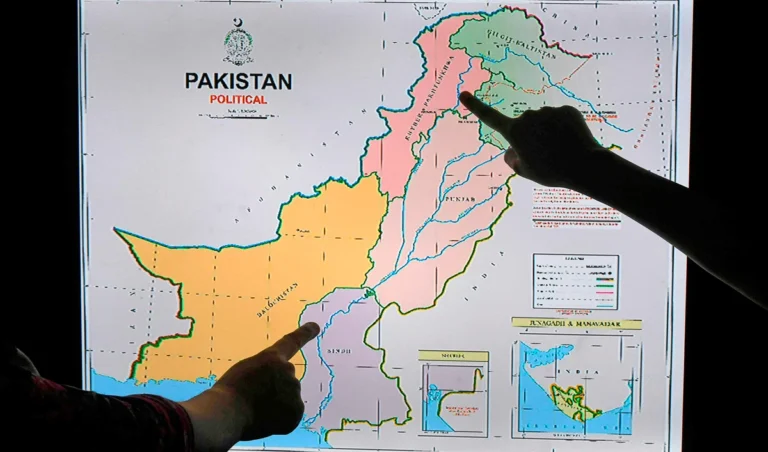
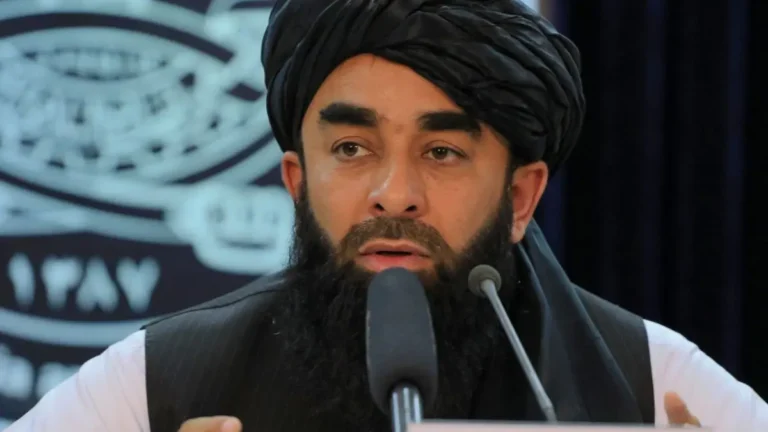
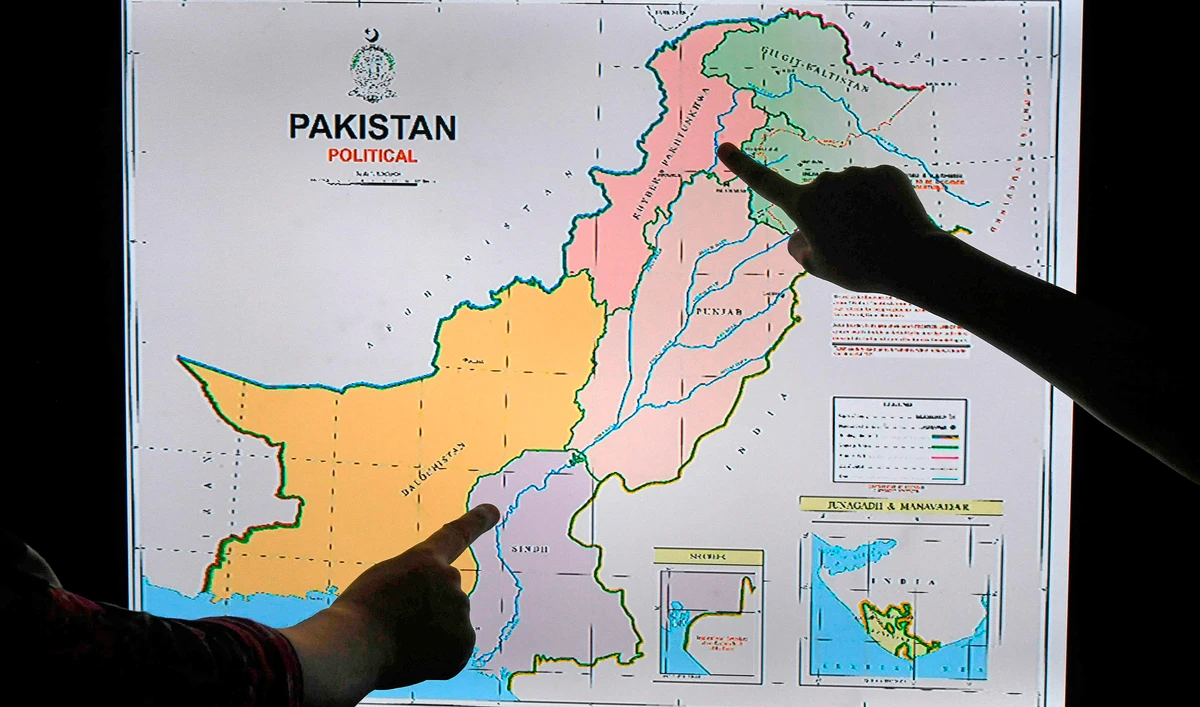
Let us start with what the facts say. The PakistanAfghanistan border was demarcated in 1893. Under the principle of uti possidetis juris, by which newly independent states inherit the colonial era borders of their predecessors, Pakistan legally and legitimately inherited this boundary upon independence in 1947. The international community has consistently treated this boundary as recognized. Afghanistan remains the sole country on earth that refuses to formally accept it. When PK MAP adopts the exact same position in its manifesto, calling the border “unjust and illegal” and framing it as territory “snatched from Afghanistan,” the party is not voicing a Pashtun grievance. It is giving political oxygen to a foreign government’s territorial ambition against Pakistan.
The terminology used by PK MAP in its manifesto is telling. Calling the border the “Durand Line” a colonial era name specifically and deliberately employed by those who dispute Pakistan’s sovereignty over its western frontier is not an innocent historical reference. It is a choice. No political party whose loyalties lie clearly with Pakistan would adopt Afghanistan’s preferred framing for what is, in clear legal terms, Pakistan’s international border. Language has power. Words in a manifesto are not accidental.
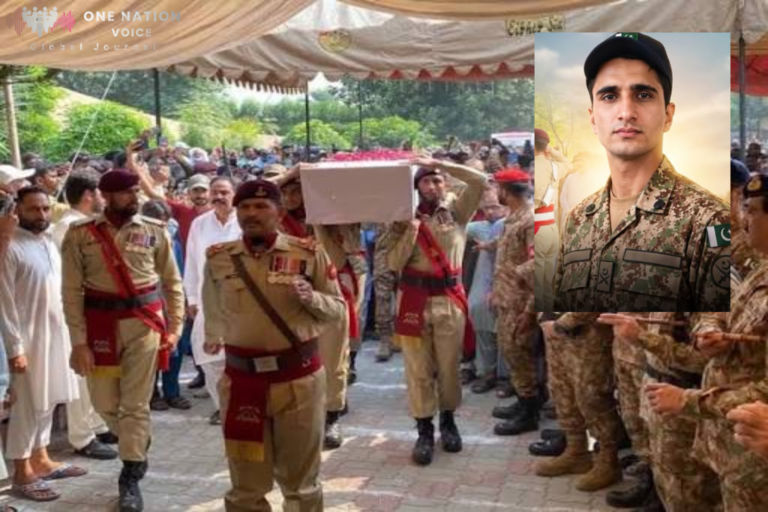
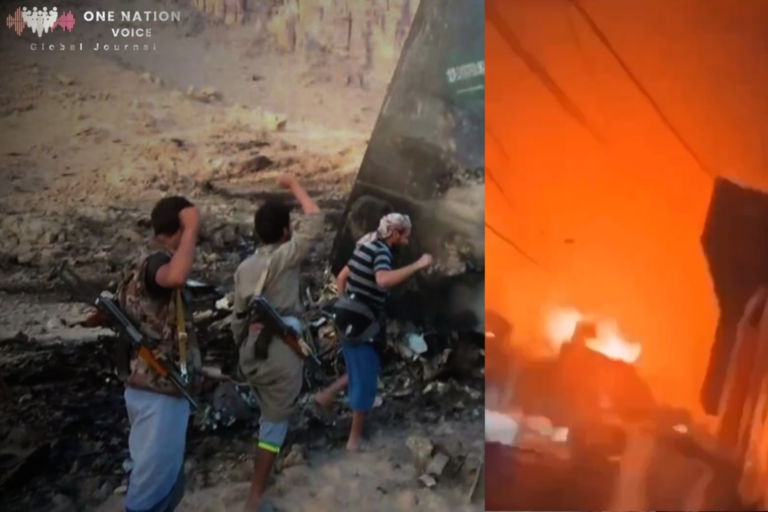
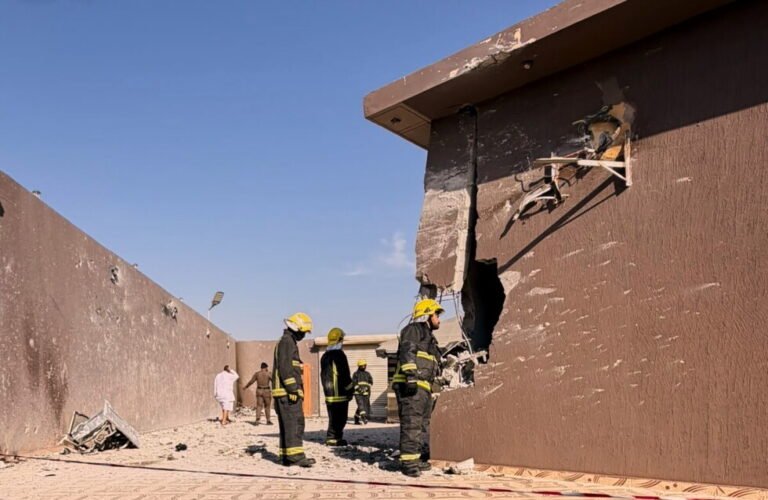
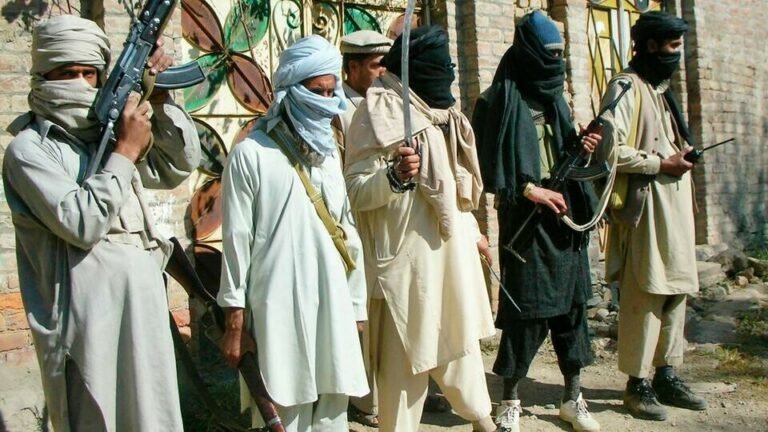
What makes this especially difficult to overlook is the security environment in which PK MAP is making these demands. The Pak Institute for Peace Studies recorded 699 terrorist attacks across Pakistan in 2025 alone, a 34 percent rise from the previous year, with at least 1,034 people killed. The Khawarij, the banned Tehrik i Taliban Pakistan (TTP), were identified as the deadliest group operating in Pakistan and ranked third deadliest globally, responsible for 637 deaths in 2025 alone. Virtually all of their attacks originate in, or are directed from, Afghan soil. The TTP carried out a suicide car bomb attack on a security checkpoint in Bajaur in February 2026, killing Pakistani soldiers. In July 2026, another TTP suicide attack on a military post in Khyber Pakhtunkhwa killed 12 soldiers, two policemen, and a civilian.
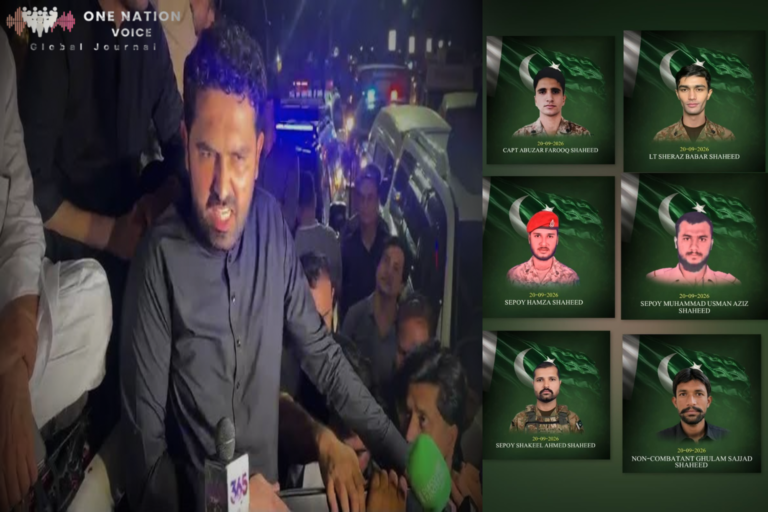
The Pakistan Armed Forces are bleeding. Into this horror, PK MAP’s manifesto is demanding that the border be thrown open for free movement.
Think carefully about what that means. The border is currently Pakistan’s most critical security buffer. The Pakistan Army has constructed fencing along hundreds of kilometers of it precisely to prevent the Khawarij from crossing freely and slaughtering more Pakistani civilians. Every time Pakistani soldiers die holding that line, they are dying to enforce a border that PK MAP’s manifesto calls “illegal.” Every soldier standing guard at Chaman or Torkham is defending what the party wants dismantled. The contradiction should be deeply uncomfortable for every Pakistani who reads PK MAP’s stated positions.
Equally troubling is the manifesto’s promotion of a “Pashtun homeland” that straddles the border. Pakistan’s Pashtun community is not a separate nation. They are an integral, indispensable part of Pakistan. Pashtun officers command Pakistan Army corps. Pashtun civil servants lead federal ministries. Pashtun entrepreneurs run businesses from Karachi to Lahore. Pashtun soldiers are on the front lines against the Khawarij, dying to protect every Pakistani regardless of ethnicity. The manufactured narrative of a bifurcated, cross border Pashtun identity is not an expression of cultural pride. It is a tool of division, one that serves Kabul’s geopolitical interests far more than it serves the Pashtun people of Pakistan.
Pakistan’s Constitution under Article 17 and the Elections Act of 2017 under Section 200 are clear. A political party registered in Pakistan must not propagate opinions or act in a manner that undermines the country’s sovereignty or territorial integrity. This is not a gray area. The Election Commission of Pakistan has the authority and, frankly, the constitutional obligation to examine whether PK MAP’s manifesto crosses that line. The legal framework exists. The question is whether institutions will use it.
PK MAP’s chairman Mahmood Khan Achakzai currently serves as Leader of the Opposition in the National Assembly, a position of considerable privilege and visibility in Pakistan’s democratic system. That position was granted to him and his party by the Pakistani state and its voters. To simultaneously hold that position while advocating positions in a party manifesto that mirror the anti Pakistan rhetoric of a Taliban controlled government in Kabul is not principled opposition. It is a contradiction that demands scrutiny.
Pakistan is not afraid of political debate. Criticism of the military, the economy, governance failures, all of this is the ordinary oxygen of democracy. But there is a meaningful difference between criticizing how a state functions and questioning whether the state’s borders should exist at all. PK MAP’s manifesto has crossed into the second category. The institutions that safeguard Pakistan’s constitutional order must take note, and they must act.

