

The Pressures Building Against Taliban Rule
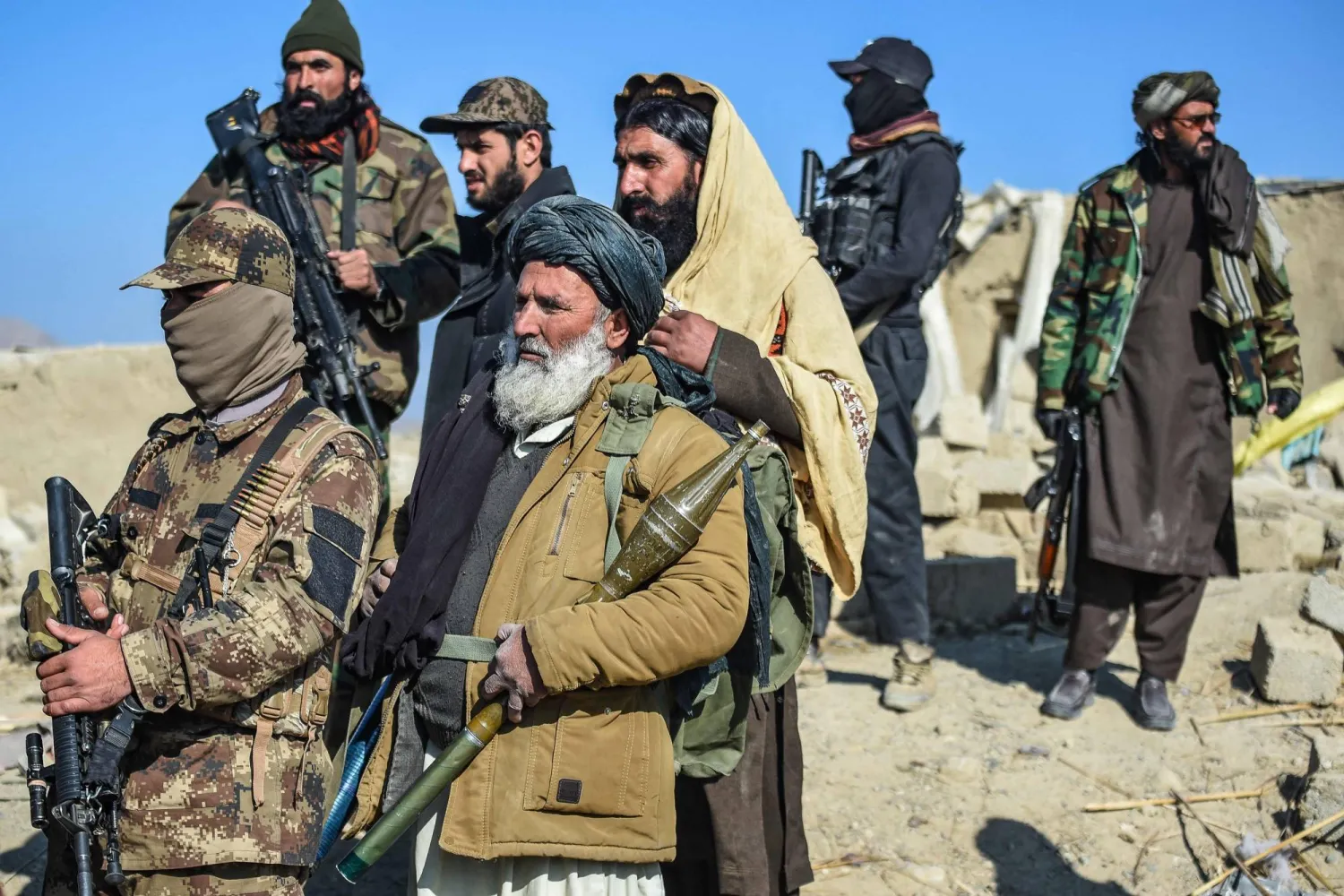
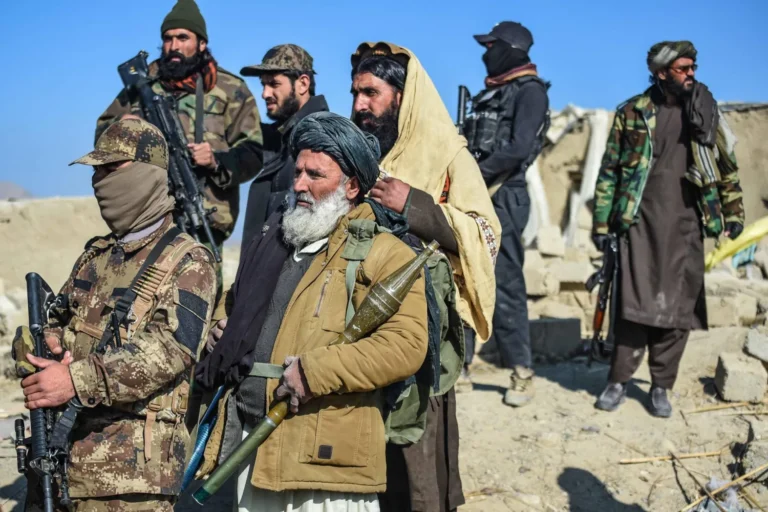
Afghanistan’s security landscape is showing signs of renewed volatility. Five years after the Taliban returned to power, armed opposition groups that once appeared fragmented and geographically constrained are demonstrating a capacity to sustain attacks in several parts of the country. Recent fighting in Badakhshan, Nuristan and Kunar illustrates a broader problem for the authorities in Kabul and Kandahar: military control of territory does not necessarily translate into uncontested political authority.
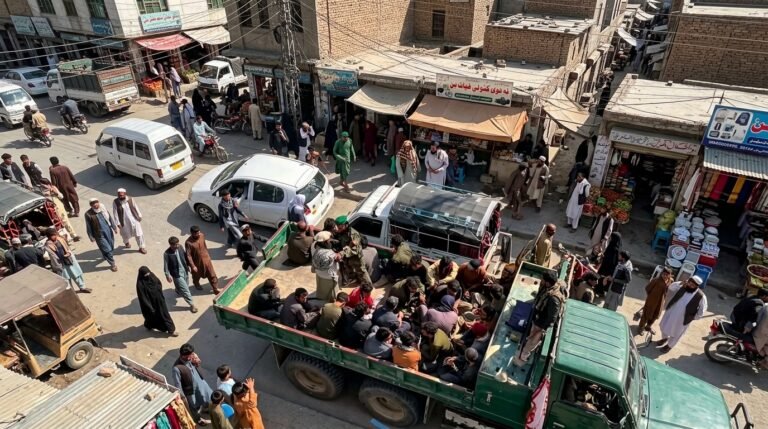
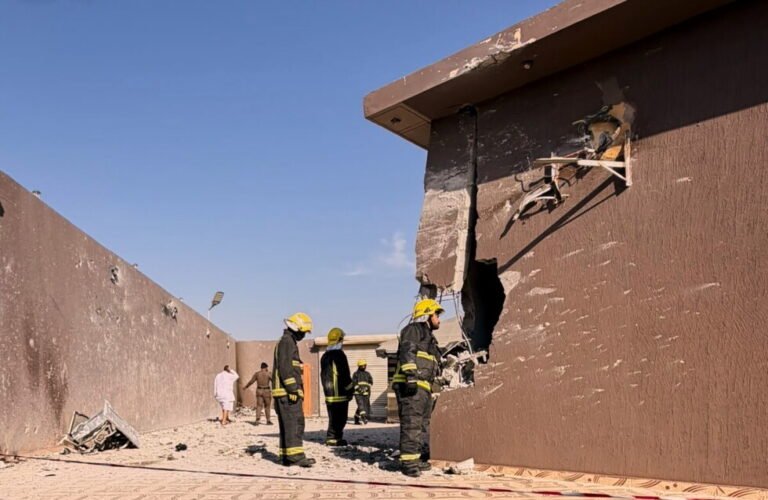
On September 28, the Afghanistan Freedom Front, or AFF, reported an attack on a vehicle carrying Taliban personnel near the Directorate of Mines in Faizabad, the capital of Badakhshan. According to the Front, three Taliban personnel were killed and two wounded. At the time of writing, those specific casualty figures had not been independently verified. The significance of the reported attack nevertheless lies in its location. Faizabad has witnessed increasing security activity in recent months, and residents reported intensified Taliban drone patrols during September following repeated attacks by armed opposition groups.
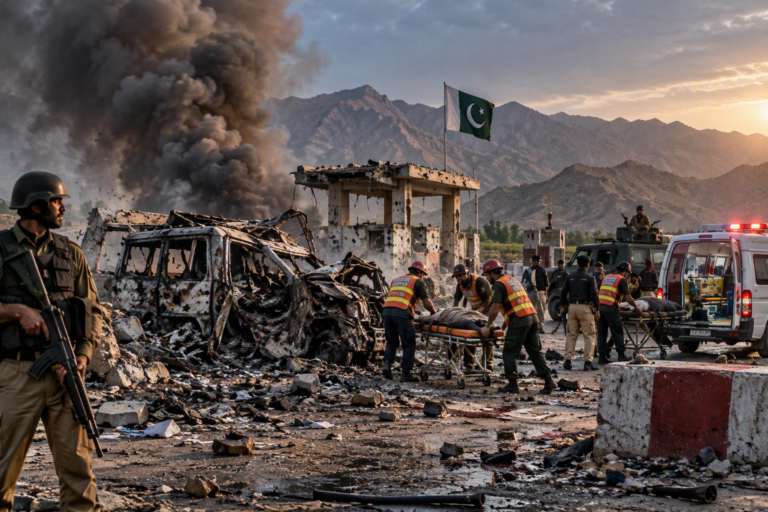
The Faizabad incident followed far heavier fighting in Kamdesh district of Nuristan and neighbouring Nari district of Kunar. The AFF claimed that 37 Taliban fighters were killed and 24 wounded during clashes beginning on September 26, while also saying it had captured several positions and villages. Independent reporting confirms that substantial fighting occurred, but the competing sides have offered sharply different versions of the battle. Taliban authorities said dozens of opposition fighters were killed or detained, while the AFF presented the engagement as a major setback for Taliban forces. Neither the casualty totals nor competing claims of territorial control have been independently established.
That uncertainty matters. Afghanistan remains an extremely difficult environment in which to independently verify battlefield information. Armed movements naturally emphasise their successes, while governments have strong incentives to minimise vulnerabilities. The more consequential development, therefore, is not a single casualty figure. It is the frequency, geographical spread and changing character of armed opposition.
In August, reports indicated that several anti-Taliban organisations had increased their operations across Afghanistan. Afghanistan International reported claims of at least 50 attacks by three opposition fronts during one month, while earlier reporting recorded attacks across provinces including Badakhshan, Kunduz, Baghlan, Kabul, Faryab, Ghor, Herat, Kandahar and Helmand. Such claims should be treated cautiously, but the geographical dispersion itself suggests that armed opposition is no longer confined to one traditional resistance pocket.
Badakhshan deserves particular attention because violence there is increasingly intertwined with local political economy. Gold and other valuable mineral resources have become a source of tension involving the Taliban leadership, provincial commanders, miners and local communities. The Taliban leadership approved the deployment of roughly 1,000 personnel to protect mining operations in the province, while reports have described efforts to centralise greater control over mineral licences and revenues.
These policies have generated disputes that extend beyond organised armed opposition. In July, mine workers in Badakhshan protested against the closure of mining sites, alleging that some workers had been threatened or beaten and complaining that politically connected operations continued while smaller local enterprises remained closed. Taliban officials have maintained that regulation is necessary to prevent unauthorised extraction and protect state resources. The dispute nevertheless demonstrates how questions of livelihood, governance and natural-resource management can acquire political and security consequences.
There are also signs of tensions within Taliban-aligned networks themselves. Reporting during 2026 described confrontations involving local commanders in Badakhshan and attempts by the leadership centred in Kandahar to strengthen administrative and security control over the province. Some local figures have objected to appointments, resource policies and the growing presence of forces associated with the central leadership. These developments should not automatically be interpreted as evidence of an imminent fracture within the Taliban. They do, however, reveal that the movement governs a country containing powerful regional, ethnic, economic and local interests that cannot always be managed through coercion alone.
The wider pattern is important. ACLED has noted an increase in violence involving armed opposition in areas such as Badakhshan and Herat while cautioning that claims surrounding individual attacks are often difficult to verify. It also links some of the instability in Badakhshan to local disputes surrounding mining and relationships between the Taliban leadership and regional commanders.
None of this means that the Taliban is about to lose nationwide control. It retains the machinery of government, security institutions and overwhelming territorial dominance. Even assessments warning of growing unrest have cautioned that individual opposition advances have not fundamentally threatened Taliban rule. But durability is different from stability.
The events in Badakhshan, Nuristan and Kunar expose the central challenge. Security imposed from the centre may suppress opposition for a period, but lasting authority requires more than checkpoints, deployments and military operations. Local communities also judge governments by access to livelihoods, treatment by officials, representation, justice and whether economic resources produce visible benefits for the population.
Afghanistan therefore appears to be entering a more complicated phase. Armed resistance remains militarily weaker than the Taliban, but its continued activity intersects with local grievances, disputes over resources and internal tensions in strategically important regions. If those grievances remain unresolved, individual attacks may matter less than the environment that allows resistance movements to recruit, operate and survive.
For the Taliban authorities, the question is consequently larger than defeating armed opponents on the battlefield. The deeper test is whether they can transform territorial control into a form of governance that reduces rather than reproduces the grievances on which instability feeds.

