
Reuters Repeats Taliban Claims Without Evidence Against Pakistan
When a globally trusted wire service like Reuters publishes a story leaning almost exclusively on the claims of a terrorist regime to implicate a sovereign nation, one is compelled to ask a simple question: where was the evidence? The September 27 report on clashes in Nuristan province, amplifying the Afghan Taliban’s Ministry of Defense allegations that individuals killed or apprehended were Pakistani backed infiltrators, is a textbook case of journalistic failure, one marked by selective sourcing, absent fact checking, and a glaring double standard that has become uncomfortably familiar when Pakistan is the subject.
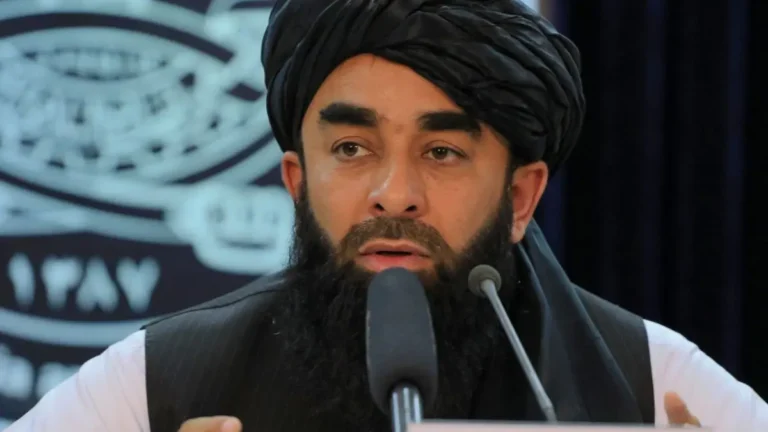
Let us begin with the most obvious contradiction. Malafide Projection of Taliban Regime’s Baseless Accusations by Reuters Afghanistan’s Defense Ministry alleged that most of those involved were former members of Afghanistan’s military who served under the previous government overthrown when the Taliban returned to power in August 2021. Read that again carefully. The Taliban regime’s own statement identifies these individuals as Afghans, former Afghan security personnel. And yet, somehow, this becomes the basis for implicating Pakistan? The Taliban cannot simultaneously present these men as Afghan nationals in their own narrative and then use their deaths to blame Islamabad. Reuters ran with this contradiction without pause.
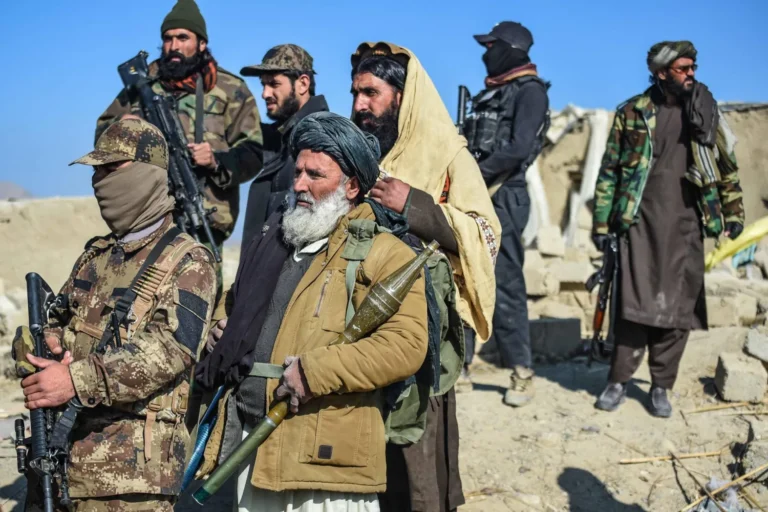
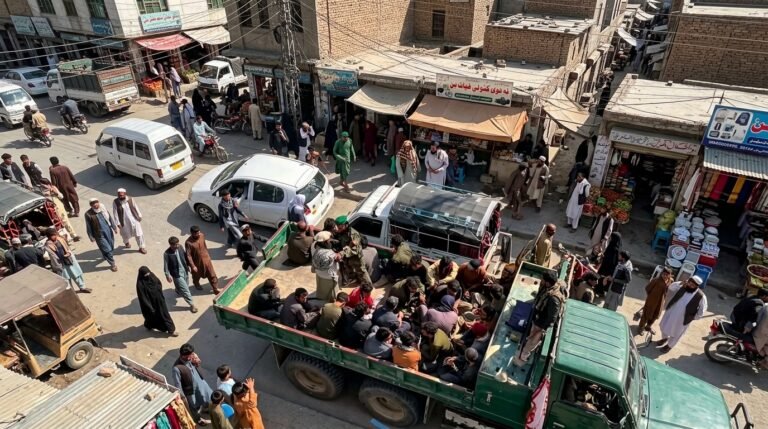
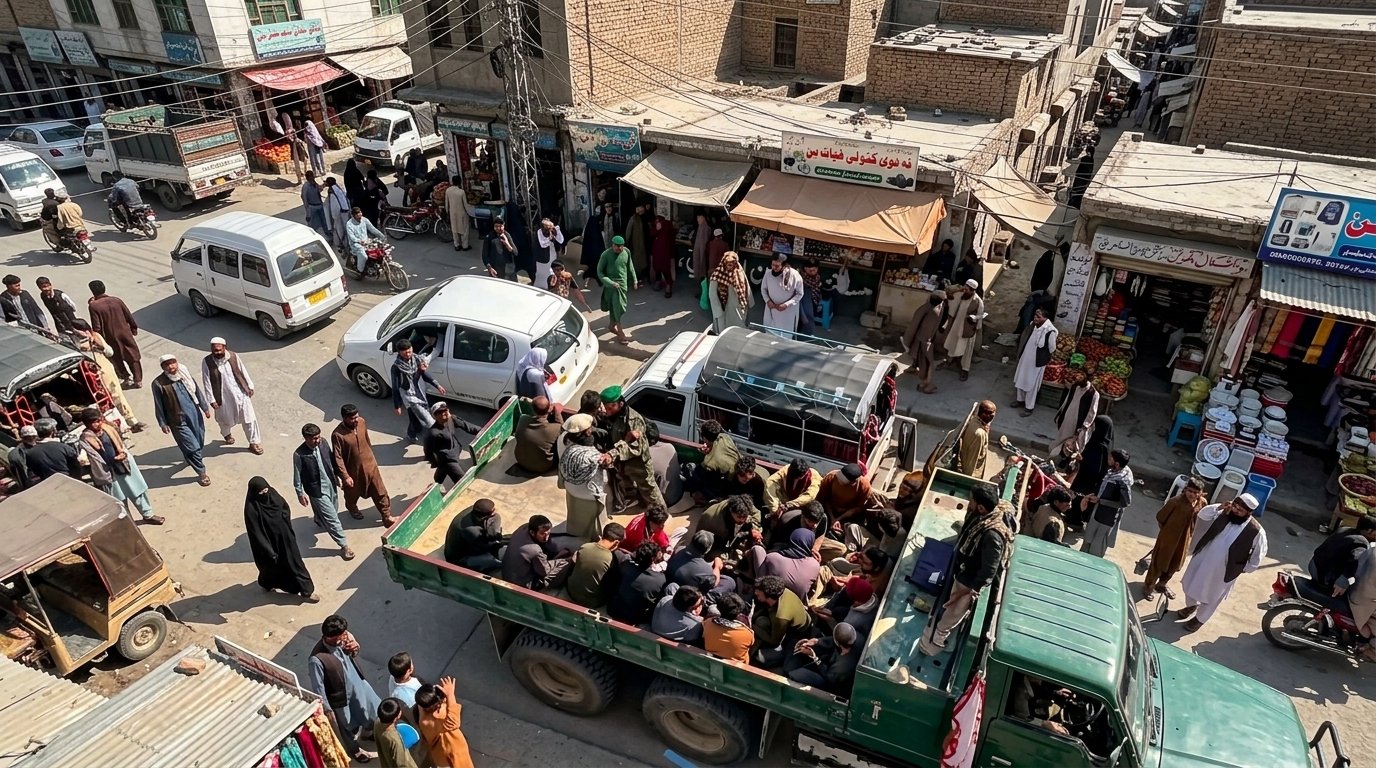
The visual evidence circulating on social media from the Taliban’s own publications tells its own story. The individuals shown, whether killed or apprehended, appear in colourful, civilian style clothing, neat and clean, entirely unsuited to the reality of operating as combatants in the cold, rugged, remote mountainous terrain of Nuristan and Kunar in late September. Anyone with even passing familiarity with those regions knows that temperatures at altitude at this time of year demand heavy warm clothing. These individuals show none of that. Security analysts who reviewed the footage have suggested the disturbing possibility that these may have been prisoners executed in Taliban detention cells and later staged for propaganda purposes, or civilians brutally killed in the regime’s ongoing internal crackdowns. Analysts suggested that these individuals may have been prisoners executed in detention or local civilians caught up in internal violence, stressing that the Taliban regime has failed to provide credible evidence establishing any Pakistani nationality or combatant status.
This matters because Reuters made no attempt to independently verify these claims. Reuters could not independently verify the ministry’s account or its casualty figures, a small caveat buried in the report, yet the framing overwhelmingly platformizes Taliban allegations against Pakistan. That is not neutral reporting. That is megaphone journalism for a regime that the international community has refused to recognize precisely because of its documented record of violence, deception and human rights abuses.
What Reuters also chose to ignore is the deeper context of what is actually happening in northeastern Afghanistan. In recent months, reports of armed resistance have increased in several parts of the country. The Freedom Front, National Resistance Front, and other groups have claimed attacks on Taliban positions in provinces including Badakhshan, Kunar and Nuristan. This is not a Pakistan sponsored insurgency. This is Afghanistan’s own internal contradictions violently unravelling. Ongoing disputes over gold, lapis lazuli, and other mineral resources, combined with the Taliban’s mistrust of non Pashtun local commanders, are fueling protests by miners, internal clashes, and broader instability. In June 2026, the Taliban reportedly deployed a newly formed force of roughly 1,000 personnel to the northeastern province amid tensions over its lucrative gold and precious stone mines, with Taliban sources from Badakhshan describing the measures as part of an effort to bring mineral resources more directly under the authority of Kandahar’s centralized leadership. Even local Taliban factions have pushed back against this land and resource grab by Kandahari elements. The conflict in Nuristan and Kunar is, at its core, a war over mines, minerals, and Pashtun domination of non Pashtun territories, not a Pakistani proxy operation.
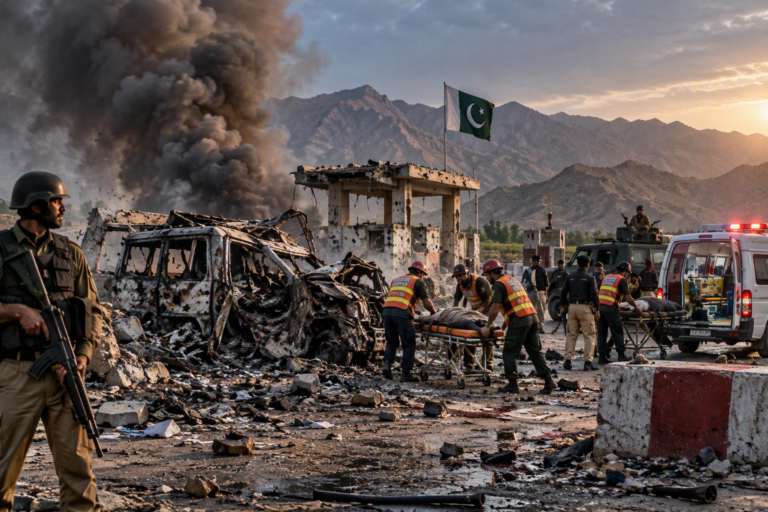
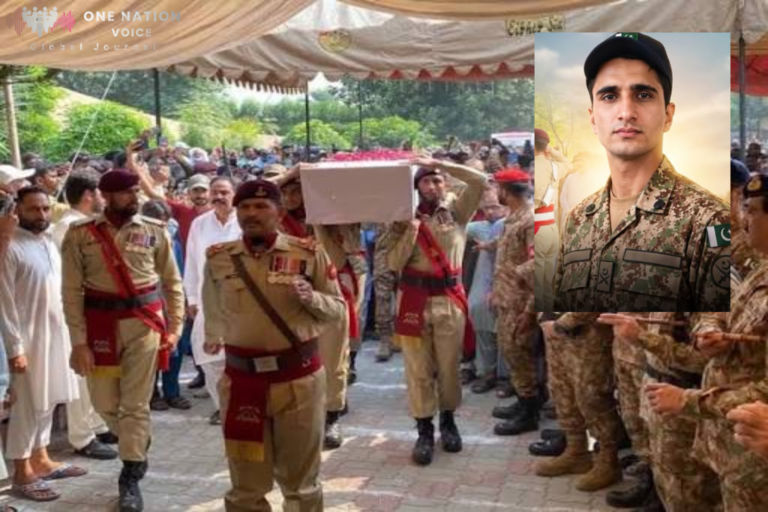
The double standard on display here demands to be named plainly. According to Pakistan’s statement, 1,327 civilians and security personnel were killed and 2,484 injured in terrorist attacks during 2026, with these attacks attributed to terrorists infiltrating from Afghanistan. This is not an allegation. This is documented, month by month human tragedy, Pakistani mothers losing sons, children losing fathers, communities torn apart by cross border terrorism emanating from Afghan soil where TTP and BLA camps operate with de facto Taliban regime tolerance. When Pakistan presented concrete evidence of 260 Afghan nationals fighting alongside TTP, complete with names, home addresses, and funeral photographs attended by Taliban commanders, Reuters did not find it newsworthy. When families buried their dead in Pakistan’s border towns, Reuters looked away.
This selective outrage is not journalism. It is a political choice dressed in the language of neutrality.
Experts have termed the attempt by Reuters to link Pakistan to the internal clashes as completely baseless, noting that it glaringly ignores verifiable ground realities and the ongoing domestic turmoil within Afghanistan.
Pakistan’s position is unambiguous and based on principle: if any individual among those killed or detained in Nuristan is genuinely a Pakistani national, let the evidence be presented through credible, verifiable channels. Identity documents. Biometric records. Credible witness accounts. That is the standard any responsible actor must meet before making state level accusations. The Taliban regime has presented none of this. It has offered assertions, and Reuters has amplified them.
There is something deeply troubling about a major international wire service taking the word of an unrecognized terrorist regime at face value when that regime has a documented history of manipulation, staged imagery, and fabricated narratives, and then using those claims to shadow a nation already bearing an enormous and largely unreported human cost from cross border terrorism. Pakistan deserves better from the international press. So does the truth.

