



Pakistan’s Security Forces Deliver Success After Success

Pakistan’s Security Forces Deliver Success After Success in Counterterrorism Operations
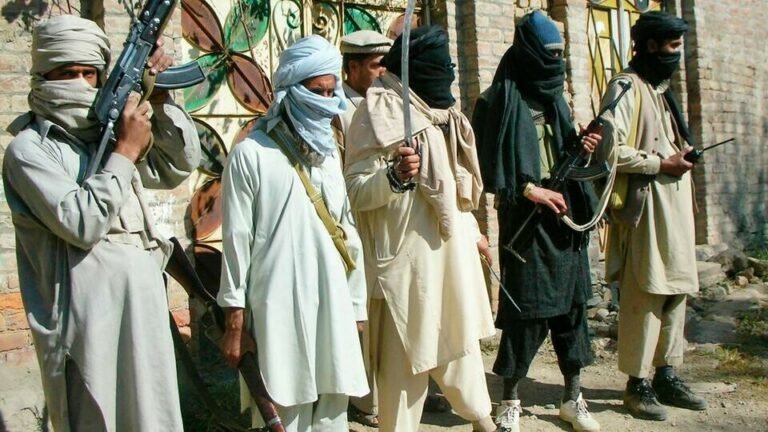
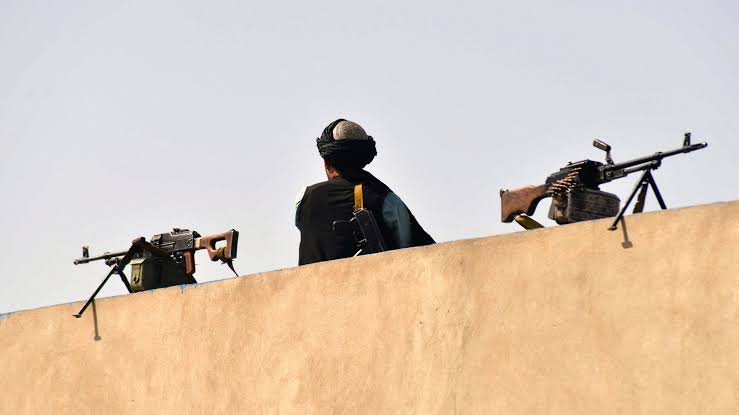
Pakistan’s security forces have been the pillar for the country’s nonstop war on terrorism, and with the backing of police and an intelligence service, they have been able to accomplish notable victories against the militant organizations like Fitna-al-Khawarij (FAK) and Tehreek-e-Taliban Pakistan (TTP). Pakistan’s willpower to protect its borders, upholding of internal stability, and protect its citizens from the extremist violence had been validated by these rigorous counterterrorism operations all over the Khyber Pakhtunkhwa (KP), Punjab, and the tribal districts.
Unyielding Offensive Against Militants in KP and Punjab
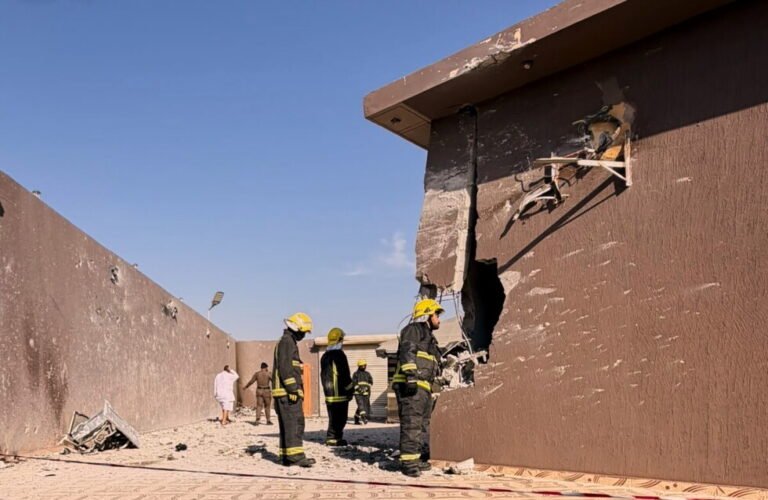
With significant successes in both urban and tribal areas, recent operations demonstrate Pakistan’s security apparatus’ acute vigilance. The accuracy and severity of intelligence driven tactical strikes were demonstrated in Merian and Bannu, where stronghold clearances resulted in the death of five militants and the destruction of the TTP commander Qari Niaz’s hideout.
In Swat and Lakki Marwat, these are areas that were previously susceptible to terrorist sanctuary, 17 militants were neutralized because of Operation Sarbakaf in the Bajaur tribal district. These militants included supporters of infamous leaders like Maulvi Saifullah and Tipu Gul.
By eliminating five terrorists in Jaday Wala, Punjab Police demonstrated their urban operational readiness and showed that counterterrorism vigilance is being extended beyond traditional conflict zones into provincial heartlands. These acts give the impression that FAK is becoming more desperate, with no safe haven but constant pursuit and defeat by Pakistan’s combined security force.
Operation in North Waziristan – Killing 54 TTP Militants
A well-organized operation in North Waziristan of KP province provided an authoritative design of Pakistan’s counterterrorism abilities. 54 TTP militants tried to cross the Pakistan–Afghanistan border in late April 2025 to introduce high-profile attacks but were stopped by Pakistan’s military.
According to the Inter-Services Public Relations (ISPR), all the 54 militants were killed, which they called the greatest single engagement success in Pakistan’s anti-terror crusade.
Pakistan’s devotion to border security and counterterrorism efficiency was demonstrated by this operation, which successfully thwarted the threat of cross-border terrorism and destroyed a potential threat that could have caused major fatalities.
Operation Sarbakaf – Reviving Control Over Bajaur
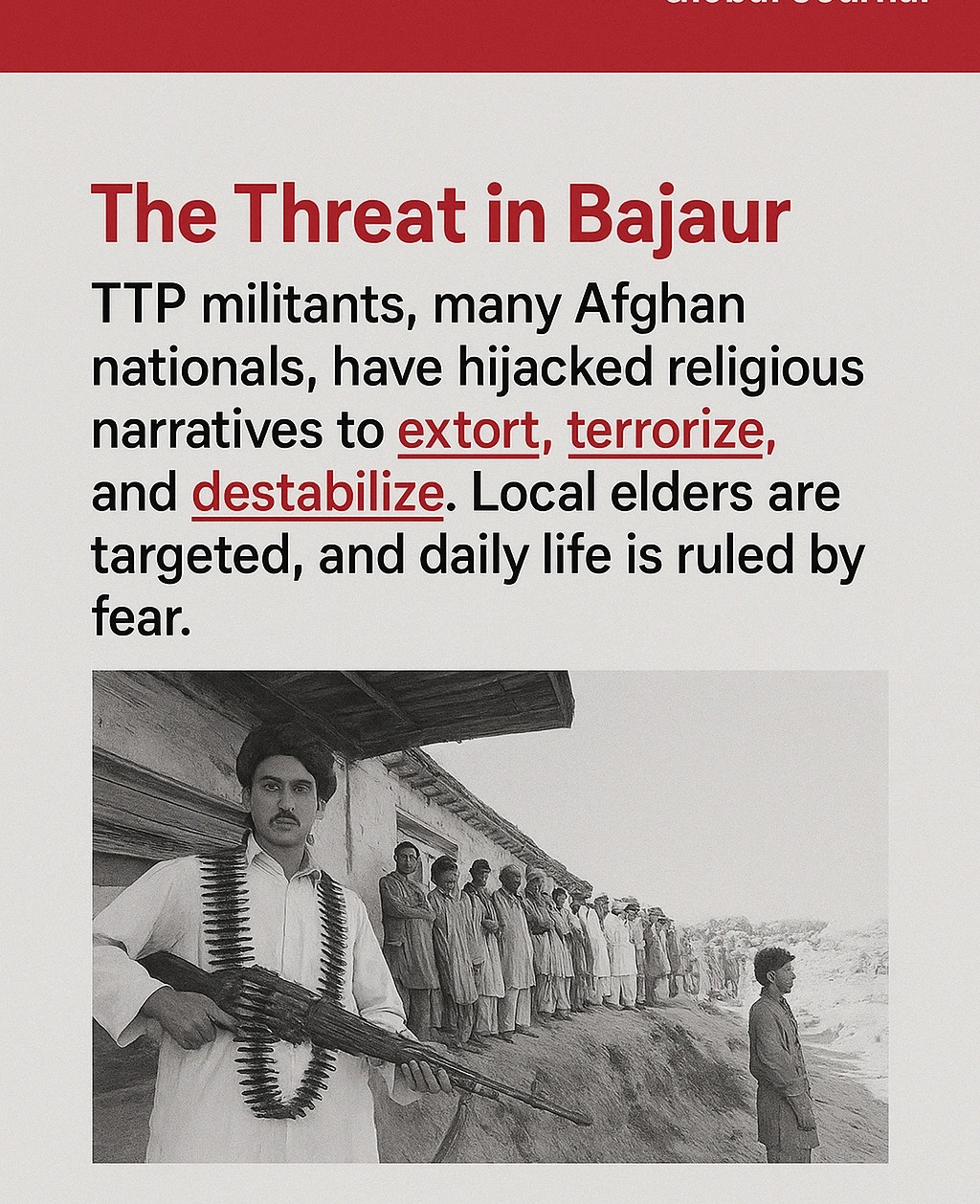
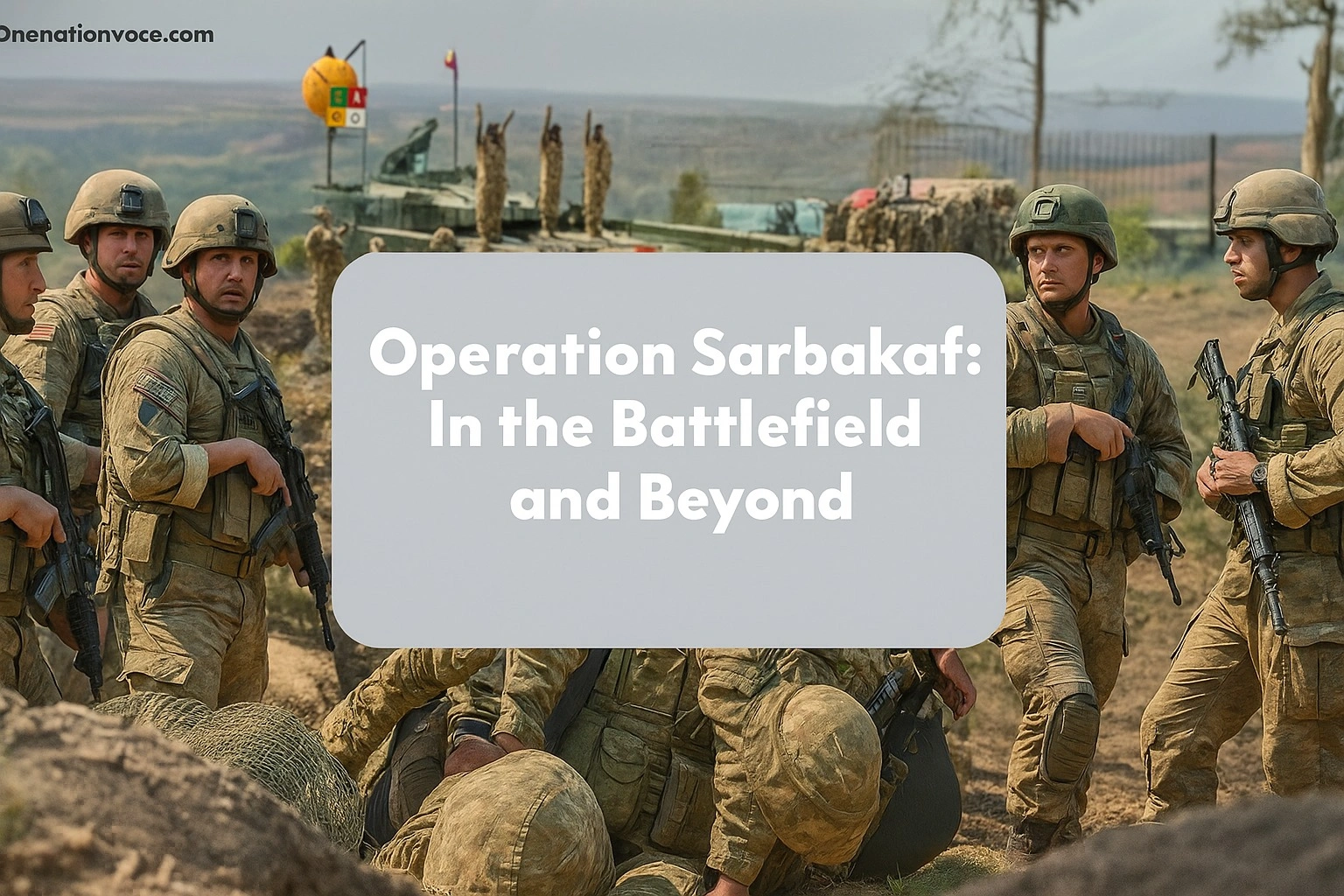
A tough military attack known as Operation Sarbakaf took place in the Bajaur District, a long-challenging frontier with rising militant action. For the protection of civilians, a three-day curfew was imposed during this operation, which started in late July 2025 with the objective of destroying militant infrastructure. Security forces continued accurate strikes against terrorist hideouts despite opposition and worries about civilian deaths. The operation is an essential response to the TTP and ISIS-Khorasan Province (IS-KP) resurgence in the area, which was fuelled by political shifts in Afghanistan after 2021. Operation Sarbakaf represents Pakistan’s strategic intention to quell insurgency in sensitive border areas and restore state writ.
Punjab’s Urban Counterterrorism – Deterring Terror in Heartland Cities
Punjab province is making a momentous contribution to the fight against terrorism as well.
In a recent intelligence-based operation in Taunsa and Mianwali, the Counter Terrorism Department and Punjab Police killed several terrorists. These activities validate and enhance urban counterterrorism tactics that prioritize fast reaction and high accuracy. Punjab’s law enforcement agencies have proved willingness to counter terror threats within the province’s cities, stopping potential attacks and crushing nefarious terrorist plots. The regional government has praised these efforts, repeating its resolve to eradicate terrorism entirely from Punjab.
There is no contradicting that Pakistan’s security forces have achieved tactical victories, but it is important to assess whether these gains can be sustained. Even though military operations succeed in removing current threats, they risk prompting cycles of violence if they don’t address the underlying causes of militancy, which can include socioeconomic injustice, ideological indoctrination, and regional complexity linked to Afghanistan’s instability. Extermination attempts are complicated by the Taliban’s sanctuary to organizations such as the TTP across the porous border. While intelligence and kinetic operations are vital, they must be supported by sociopolitical reforms and counter-extremism initiatives, like Pakistan’s recently established National Policy for Violent Extremism (NPVE). Without long-term strategies such as rehabilitation, education, and regional cooperation, militant ideologies and recruitment potential may rise.
Armed with cooperation between law enforcement and intelligence, Pakistan’s security forces keep targeting militant groups that threaten national security. Pakistan’s ability to fight terrorism is demonstrated by tactical operations such as the elimination of 54 militants in North Waziristan, the execution of Operation Sarbakaf in Bajaur, and successful urban counterterrorism operations in Punjab. The long-term feasibility of these initiatives depends on strategies that confront the sociopolitical roots of militancy while sustaining operational momentum against threats. In the fight for regional peace and security, Pakistan’s determination and vigilance remain crucial.
Disclaimer:
The views and opinions expressed in this article are exclusively those of the author and do not reflect the official stance, policies, or perspectives of the Platform.

