


Indonesia turns down ear-splitting ‘haram’ street parties
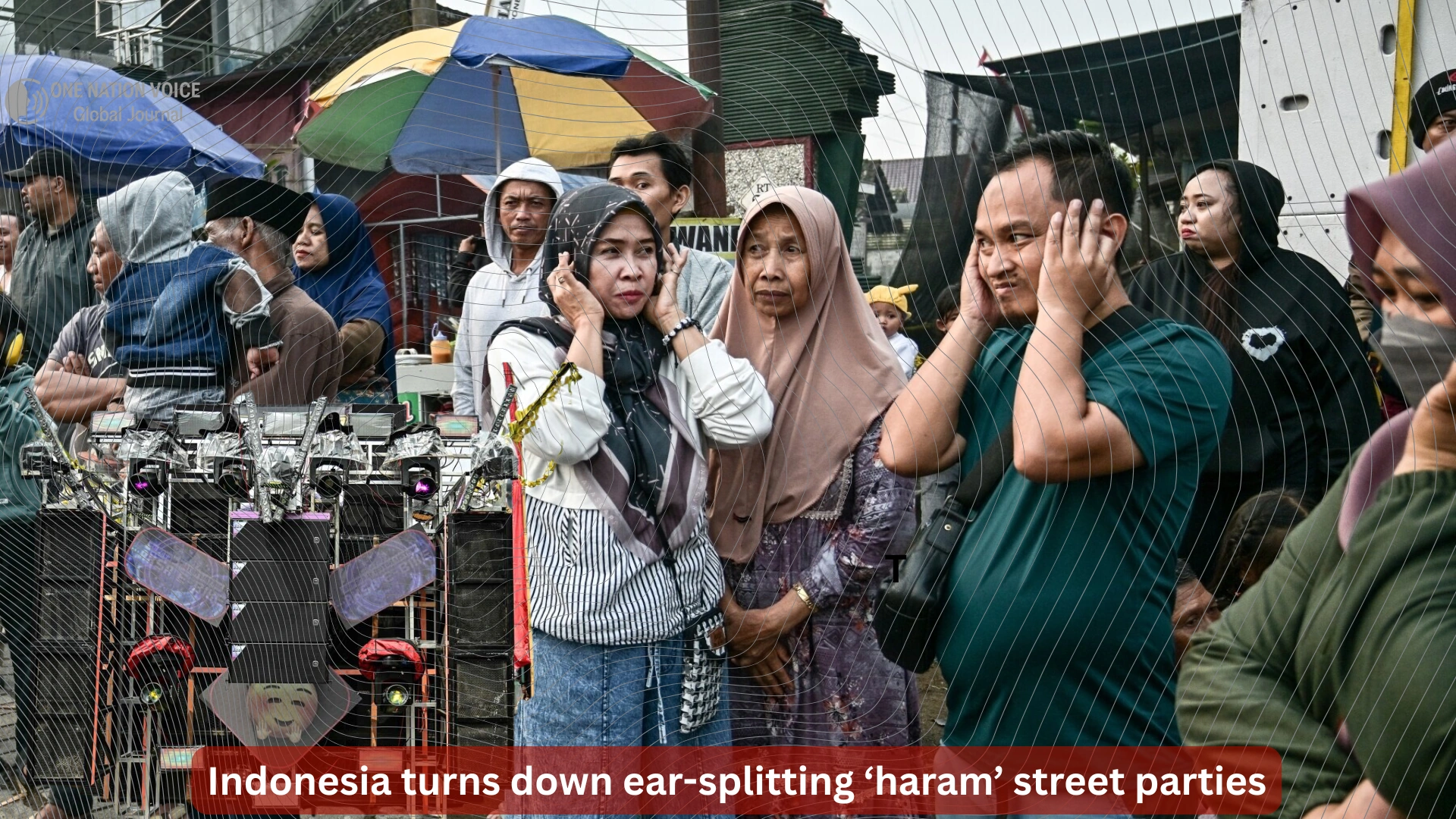
Indonesia turns down ear-splitting ‘haram’ street parties
Indonesia has recently taken a firm standpoint beside the progressively disruptive street parties that show high loudspeakers playing loud music. On the main island of Java, these gatherings have developed so challenging that the government has restricted their use, and spiritual groups have believed the thrilling noise to be “haram,” or banned by Islamic law. This deed was taken in reaction to rising complaints from residents who were irritated by the continuous noise, which often lasted from the early afternoon until the initial hours of the subsequent morning, damaging homes and meddling with daily life.
Disruptive Notes and Community Impact
The residents of East Javan villages like Ngantru have complained about the large bass created by the tall loudspeaker stacks on trucks, which can smash windows, vibrate walls and even cause roof tiles to fall. A native, Ahmad Suliyat, claims that the sound is not only playing continuously for many hours, but it is also complemented by alcohol consumption, which worsens the disturbance. Indonesians posted videos on social media showing the bodily harm done to belongings they refer it to as “sound horeg,” a Javanese term for movement or shaking carried on by the noise. The officials of East Java answered these complaints by passing laws, limiting the sound levels to not more than 120 decibels near the public location, like schools, hospitals and worship places.
Spiritual and Health Considerations
These noisy parties are serious problem that disrupt the public. The native Islamic council in July 2025 allotted a secular ruling that measured the misuse of sound systems in events to be “haram.” The fatwa specifically comments that it is unlawful under Islamic law to play loud music that disturbs traffic, pollutes the air, or delays with religious activities. As ear piercing noise is related to negative health effects, such as an augmented risk of heart situations, health concerns also played a major role in the clampdown. Attendees at these events have been detected to have more hearing issues, emphasizing the harmful health effects of protracted exposure to such noise.
Government Measures and Challenges Ahead
East Java provincial government reacted by imposing strict rules concerning loudspeaker volume and usage periods in an effort to reduce noise effluence and bring about peace. According to Governor Khofifah Indar Parawansa, the rules are envisioned to preserve public safety and health while honoring social duties and public needs. However, putting these actions into effect is difficult. Locals rental speakers for national revels, marriages, and snipped, indicating how deeply fixed the sound horeg ritual is both socially and economically. Reliably regulating these events through wide areas with few staff members makes things more difficult and the consequences for violations are still quite light. Though a task force has been designed to organize these efforts, it is still hard to strike a balance amid law enforcement, public health, religion, cultural traditions, and freedom of expression.
The decision by Indonesia to forbid loudspeaker towers and label loud street parties as “haram” highpoints intense change in both culture and law. To return peace and protect the welfare of their communities, Indonesian establishments and spiritual leaders are beginning the negative health and social effects of extreme noise. These footsteps show a growing sympathetic of the need to assault a balance between tradition and contemporary concerns of public health and order in the most populated Muslim majority nation in the world, even though implementation challenges still exist.
For more in depth coverage, expert analysis, and exclusive visuals, visit One Nation Voice . Join the conversation, explore our archives, and be part of a global community shaping tomorrow’s headlines.
Follow One Nation Voice on X, LinkedIn, Instagram and Facebook for insights on business, finance and tech from Pakistan and across the world.
Disclaimer:
The views and opinions expressed in this article are exclusively those of the author and do not reflect the official stance, policies, or perspectives of the Platform.

