

Pakistan’s Strong Zero-Tolerance Policy on Khawarij Terrorism
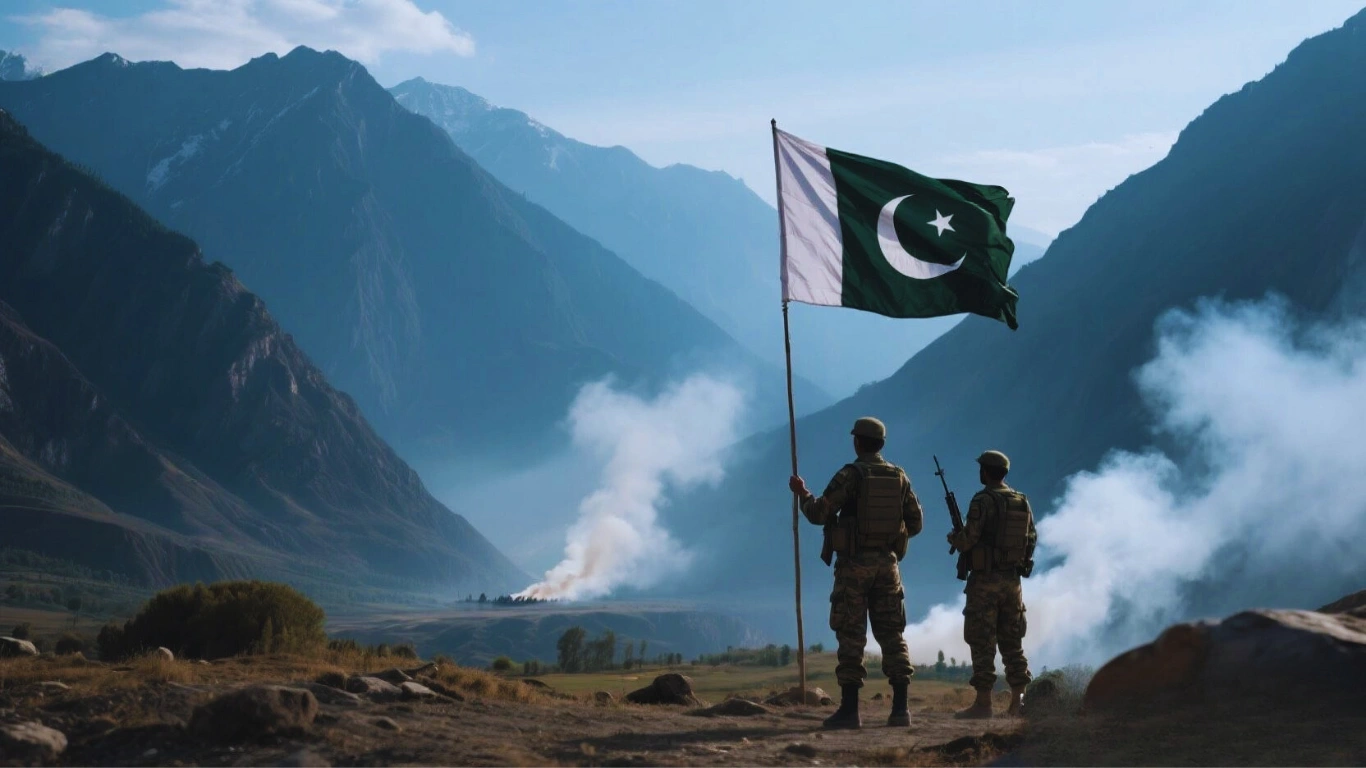
For Pakistan, the fight against terrorism isn’t just about security check posts or military operations in far-off valleys. In fact, it is about survival, about holding together the country’s moral and social backbone in the face of groups like the Khawarij. The group of Khawarij basically thrives on fear and chaos. The state has made its position clear: zero tolerance. Hence, no group, no matter how entrenched or brutal, will be allowed to challenge the sovereignty of Pakistan.
Zero Tolerance Policy
When leaders talk about “zero tolerance,” it can sometimes sound like a slogan. But Pakistan’s military has shown it is not just a talk.
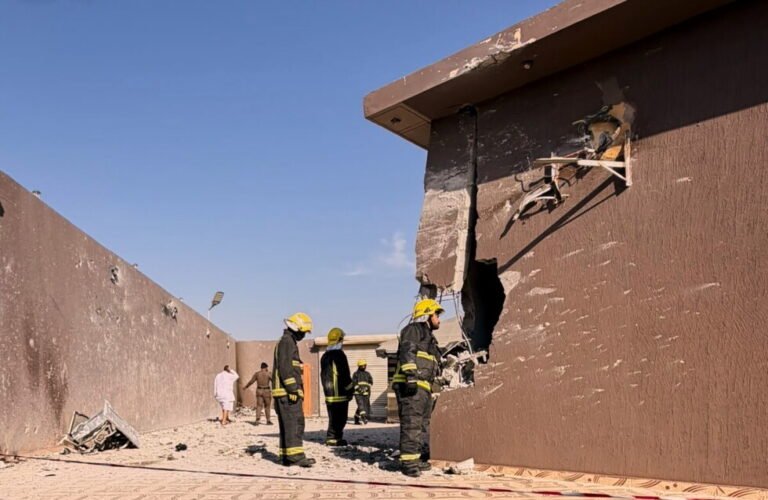
The recent operation in Upper Dir is a case in point. Ten Khawarij terrorists were tracked down and eliminated in a precise action that highlighted how seriously the Armed Forces are taking this fight.
These attacks weren’t random raids. They were intelligence-based, carefully planned, and aimed at breaking the back of networks before they regroup.
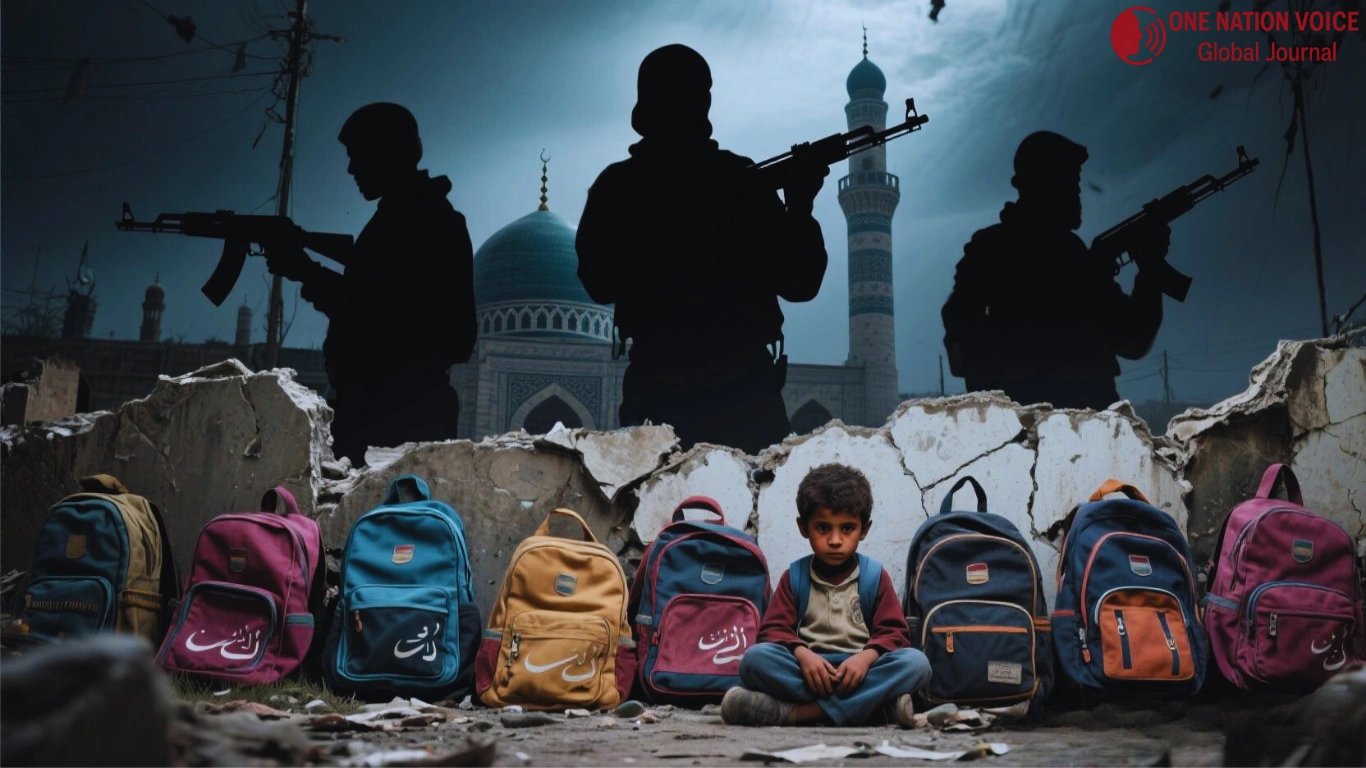
What the state is really saying here is simple if you pick up arms against Pakistan, you will be held accountable. Also, it’s not just about the fighters in the mountains. The net is cast wide, covering anyone who supports, finances, or enables these groups. In this case clarity matters, because terrorism feeds on ambiguity. So, once people realize there are no loopholes left to exploit, the networks begin to shrink. One reason this strategy works is the backing of ordinary Pakistanis. The Army doesn’t fight this battle in a vacuum.
The Army is backed by families who have lost loved ones in attacks, communities that refuse to give space to extremists, and a wider public that demands peace.
This unity gives the military moral strength. Hence, it’s a reminder that the war on terror is not only fought with guns, but also with consensus.
Who the Khawarij Really Are
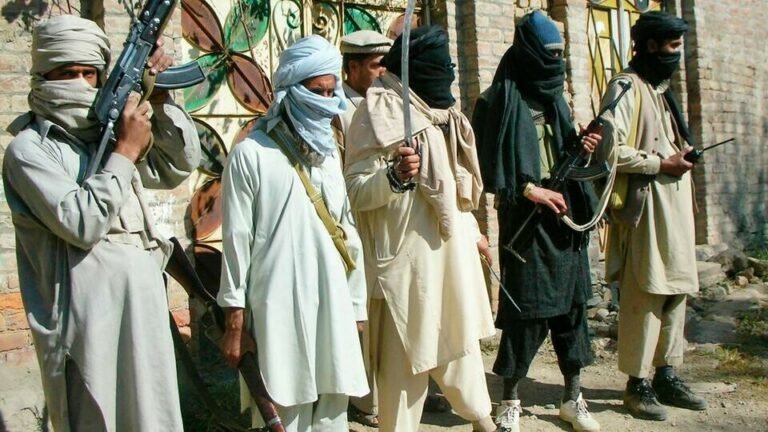
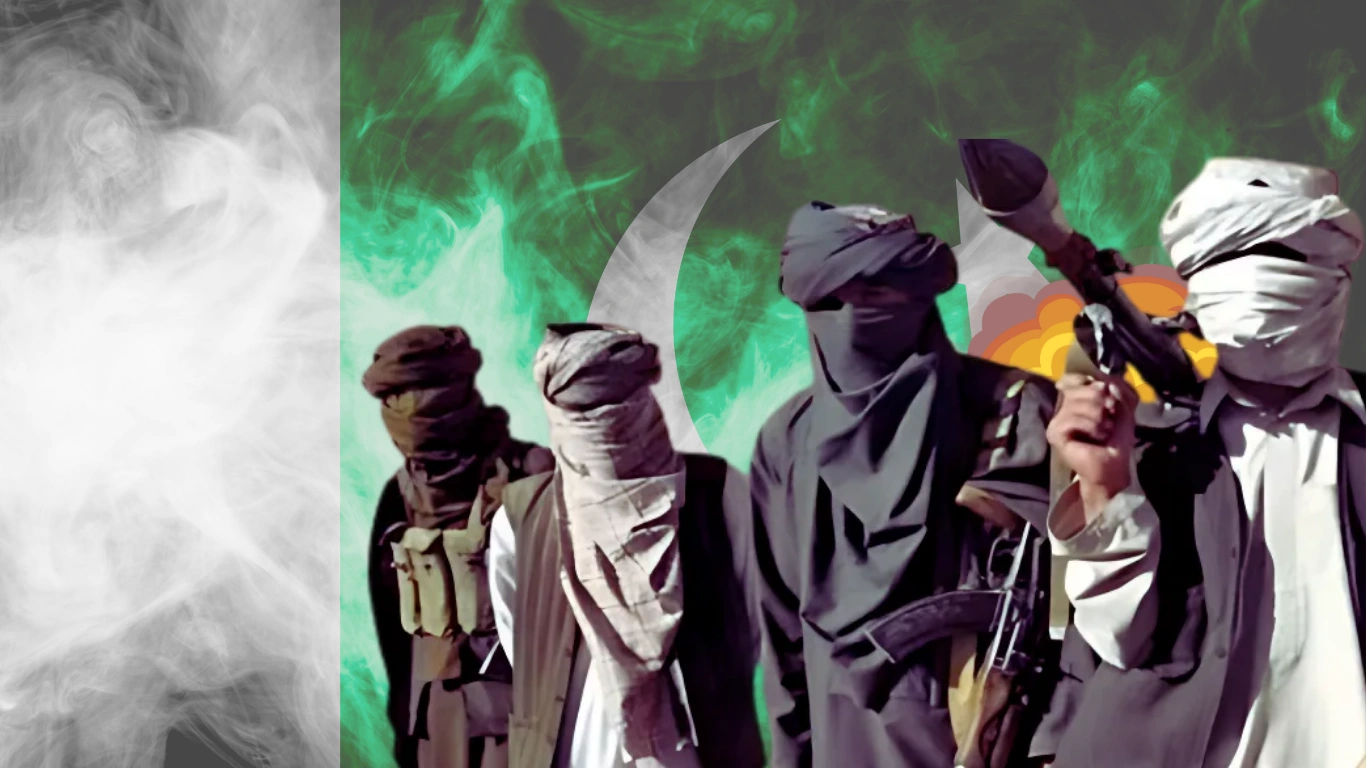
Basically, calling the Khawarij a “security threat” almost sounds too mild. These are people who bomb markets, target mosques, and kill children on their way to school. They destroy not just lives, but trust and community spirit. Besides, their goal isn’t political reform or justice, but it is pure destruction dressed up in false religious rhetoric. So, this is the reason that Pakistan labels them as enemies of the people. They’ve placed themselves outside of both morality and faith.
Protecting More Than Borders
Moreover, this fight goes beyond the territory. Extremism eats away at the values that hold society together about compassion, tolerance, and respect for life. Besides, every operation, whether in Upper Dir or elsewhere, is as much about protecting Pakistan’s moral compass as it is about securing roads and villages.
Faith and Justice
The position of Islam is clear that killing innocents is a sin. Groups like the Khawarij twist religion to suit their bloodlust, but their actions have no legitimacy in religious or moral terms. Furthermore, by taking them down, Pakistan’s Armed Forces aren’t acting against Islam, they’re defending its principles. Similarly, Justice and peace are central to faith, and these terrorists embody neither.
The elimination of ten Khawarij in Upper Dir might look like just another headline in a long war, but it’s more than that. It shows the system works by intelligence gathering, community cooperation, and military precision combined. It reassures people that the state is not reactive, waiting for the next attack, but proactive in neutralizing threats before they escalate.
Every terrorist cell dismantled makes it harder for extremists to derail the progress of the state of Pakistan.
Moreover, security is not only about saving lives in the present, but also about securing the space needed for economic growth, education, and political stability. So, if extremists can’t destabilize the country, they can’t stop it from moving forward.
Deterrence That Resonates
For the extremists still hiding in mountains or safe houses, the Upper Dir operation sends a warning that there will be consequences. In parallel fashion, Pakistan is showing it has both the will and the capacity to strike, and that credibility matters. Besides, it strengthens the country’s position in the broader global fight against terror and discourages future recruits from thinking violence is a winning strategy.
Meanwhile, the Armed Forces of Pakistan have promised not to stop until terrorism is rooted out completely. It’s not a quick fix; it’s a long-term effort that demands constant vigilance. But each successful operation brings Pakistan closer to the day when such groups will no longer be able to terrorize its people or challenge its sovereignty.
Pakistan’s stand against the Khawarij is about more than just battlefield victories. It’s about drawing a line and saying that this nation will not be torn apart by extremists. Hence, the Upper Dir operation, where ten terrorists were eliminated, is a vivid reminder of that commitment. The message is unmistakable, i.e., terrorism has no place in this country, and those who try to spread this menace will face the full force of accountability.
Disclaimer: The views and opinions expressed in this article are exclusively those of the author and do not reflect the official stance, policies, or perspectives of the Platform.

