






SBP Injects Over Rs 9.9 Trillion into Money Market at 11.01 Percent Rate
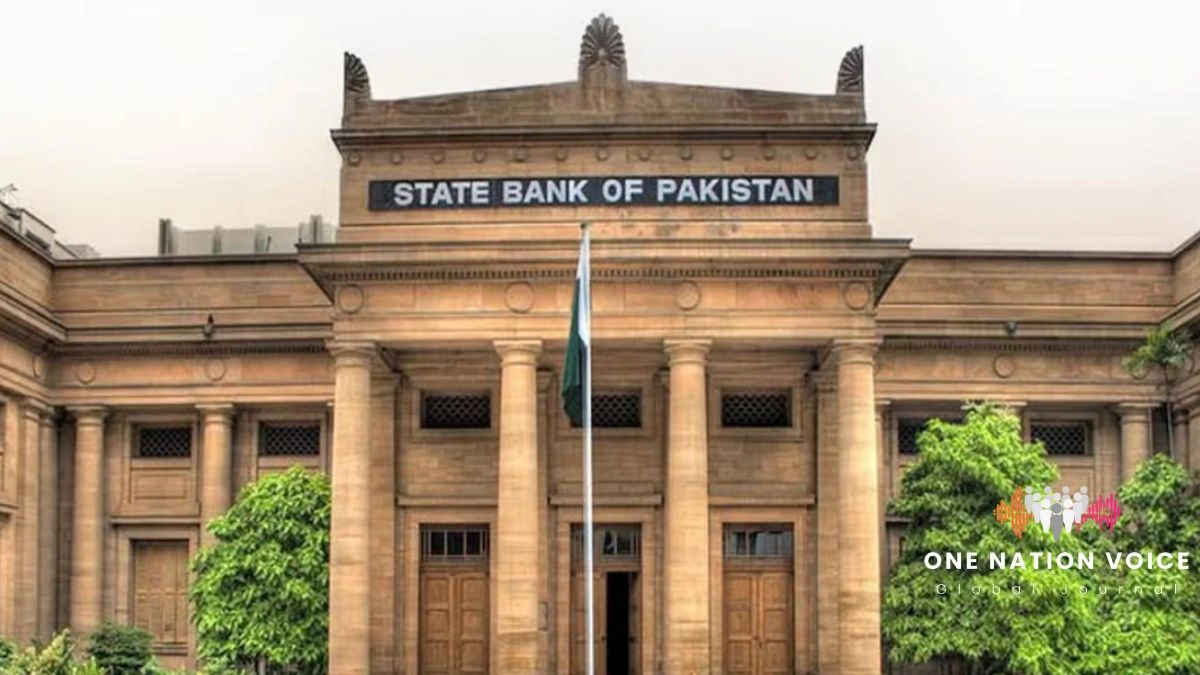
The State Bank of Pakistan has injected more than nine point nine trillion rupees into the money market to maintain liquidity and keep the banking system stable. The funds were provided through reverse repo and Shariah compliant open market operations under seven day and fourteen day periods at a uniform rate of return of 11.01 percent.
This large liquidity operation was carried out to reduce short term funding pressure in commercial banks and to stabilize interbank lending rates. The central bank accepted a high volume of bids from banks at the set rate to manage liquidity smoothly and prevent any sudden change in market interest rates.
The move shows the State Bank’s focus on keeping the financial system stable and ensuring that banks have enough funds to meet their daily needs during economic fluctuations.
Details of the Operation and Market Activity
Under the seven day period the State Bank accepted bids at a rate of 11.01 percent while the fourteen day period was also settled at the same rate. Most of the funds were provided through conventional reverse repo operations and the rest were made available under the Shariah compliant Mudarabah facility.
Commercial banks and other financial institutions showed strong participation by submitting large bids for short term liquidity. This high participation indicates that the banking sector needed additional funds and that the State Bank responded quickly to meet this demand through a transparent process.
Sarfaraz Bangalzai Reveals Truth Behind Baloch Militancy
Effect on the Economy and Financial Stability
The large liquidity injection highlights the State Bank’s commitment to keeping the financial system steady and preventing any shortage of funds in the banking market. By providing liquidity at a fixed rate the bank helped avoid instability in short term borrowing costs and supported the smooth operation of financial activities.
For the wider economy this step will help maintain the flow of credit to businesses and individuals and keep investor confidence high. It also shows that the central bank is keeping a close watch on market trends and responding quickly to maintain balance between supporting liquidity and controlling inflation.
