
Sarfaraz Bangalzai Reveals Truth Behind Baloch Militancy

Sarfaraz Bangalzai Reveals Truth Behind Baloch Militancy
The televised interview with Sarfaraz Bangalzai, a former commander of the banned United Baloch Army (UBA), has shaken up the national conversation around militancy in Balochistan. When channels in Pakistan like ARY News, Geo, Bol, and PTV aired it, people finally got a rare look of how these groups work. They became aware of their tactics, their alliances, and how they manipulate stories to keep unrest alive.
Besides, Bangalzai did not mince words. His account painted a picture of a tangled web, where militant groups and the so called rights movements blur into each other. It is not just about men with guns in the mountains anymore. But this is also about narratives, hashtags, and emotional manipulation.
The Hidden Link Between Militancy and “Activism”
One of the biggest takeaways was how closely the Balochistan Liberation Army (BLA), Baloch Liberation Front (BLF), and Baloch Yakjehti Committee (BYC) are tied together. According to Bangalzai, BYC is not some grassroots civic group. However, it is the soft front that gives violent outfits a respectable cover.
He explained that BYC thrives on emotional triggers, especially the issue of missing persons, to draw in young people. It is not that those emotions are not real. They are real and are respected. But Bangalzai claims the movement exploits them, turning grief into fuel for propaganda and recruitment. Thus, the protests and social media campaigns, he said, are often staged to make militancy look like a civil rights struggle.
The European Connection of Baloch Militancy
Moreover, Bangalzai also talked about the Baloch National Movement (BNM) and Dr. Naseem Baloch. According to Bangalzai, he is running coordinated propaganda campaigns out of Europe. Also, many of these activists are asylum seekers who have built a narrative around persecution, using it to win legal protection and funding.
Besides, he accused India’s intelligence agency RAW of quietly funding and directing these efforts through channels in Europe and Afghanistan. The extent of accuracy of the details provided by him is not clear. However, this part hits a nerve because it ties into Pakistan’s longstanding claims about foreign involvement in Baloch militancy.
Digital Propaganda and Emotional Warfare
Furthermore, according to Bangalzai, the real battleground is not only in the hills of Balochistan, but it is online. Websites like The Balochistan Post, Sangar, and Zrumbash act as megaphones for separatist narratives. They publish stories that glorify militants, distort facts, and frame the state as an oppressor.
He said these platforms target young people scrolling through their phones, feeding them a steady diet of anger and victimhood until rebellion starts to feel like duty. His warning was clear.

It is that digital radicalization is silent but deadly, and it preys on emotional, and not ideological vulnerability.
The “Missing Persons” Story, A Different Angle
Similarly, one of the most sensitive issues in Balochistan is the question of missing persons. Families have marched for years demanding answers, and many genuinely do not know what happened to their loved ones.
Bangalzai, though, claimed that a lot of those cases are actually the result of infighting among the militant groups themselves. When fighters are killed in internal disputes, their deaths are often blamed on security forces to keep public anger alive.
So, if this is true even in some cases, it adds a tragic layer to an already painful story.
Personal Ties Between Baloch Militants and Activists
Bangalzai mentioned Dr. Mahrang Baloch, one of BYC’s most visible faces, and claimed that her father, Ghaffar Langove, was a BLA commander. He said Langove’s grave even carries the group’s flag, something meant to show the continuity between militancy and activism.
Besides, he also alleged that Langove was not killed by the state, but during BLA’s own internal feud, led by Hyrbyar Marri. This is a claim that Mama Qadeer had apparently also talked about before in a video. Thus, if it is true, this really complicates the clean moral narrative that is often presented in activism circles.
The Fall of the “Liberation” Dream
Additionally, Bangalzai has used harsh words for Dr. Allah Nazar, another longtime militant figure. He said Nazar once swore he would never abandon the struggle, but now lives comfortably abroad, while young men die in the name of a cause that no longer even exists in its original form. Hence, it is a pattern he said he saw again and again. So, leaders cash out, and followers pay the price.
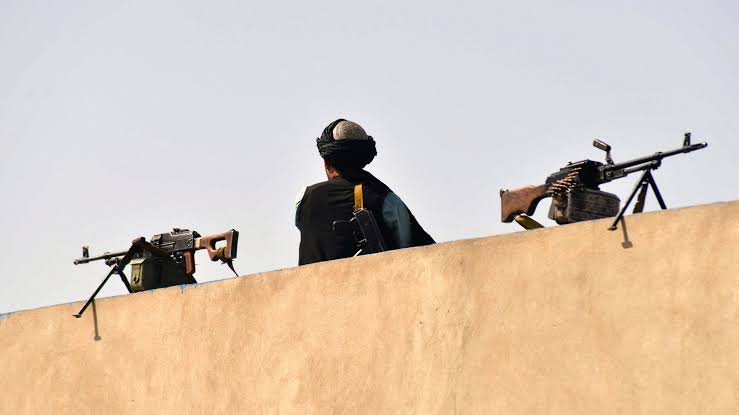
According to him, militants in Balochistan still get their weapons and supplies from sanctuaries in Afghanistan. That part is not new, but it reinforces the argument that border management is central to peace. So, without closing off those routes, he said, Balochistan will keep bleeding.
However, despite everything, Bangalzai was not just pointing fingers. He actually seemed hopeful. He urged the government to expand rehabilitation programs for people who want to leave militancy behind. He said most fighters are not true believers, but they are kids who got emotional, angry, or desperate, and then got trapped.
Also, his message to parents and teachers was simple. It was to protect the youth from the online vortex. It should not be by silencing them, but by giving them better stories to believe in.

A New Kind of War
Finally, what made the interview hit so hard was not just the confessions. But it was how clear this became that today’s militancy is not only fought with bullets. It is fought with stories, with tweets, speeches, and YouTube videos that turn confusion into conviction.
So, Bangalzai’s account might not be perfect or complete, but it can open a window into how the conflict in Balochistan really works. Hence, this is not only about territory anymore. It is about narratives, and whoever controls these narratives, controls the future.
The views and opinions expressed in this article are exclusively those of the author and do not reflect the official stance, policies, or perspectives of the Platform.

