
PTM Protests Abroad and the Politics of Narrative
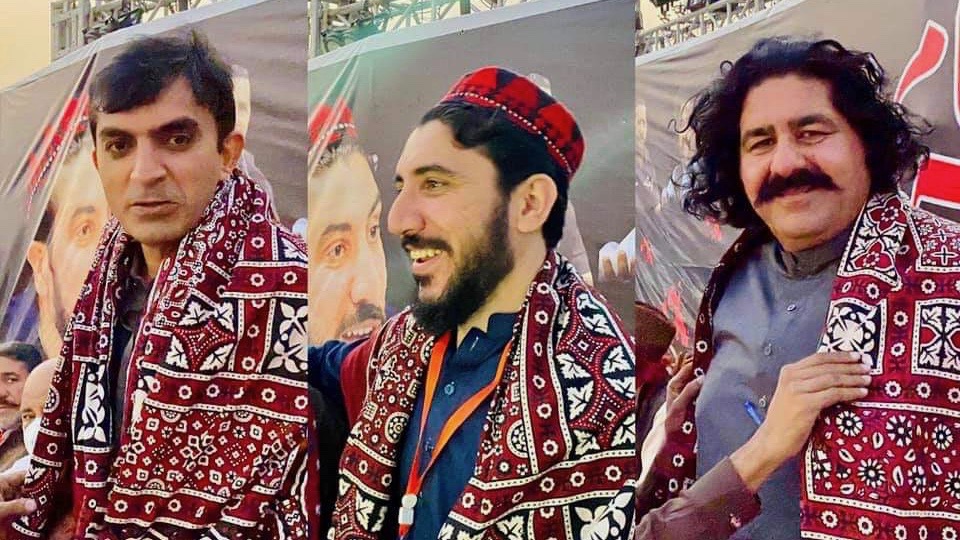
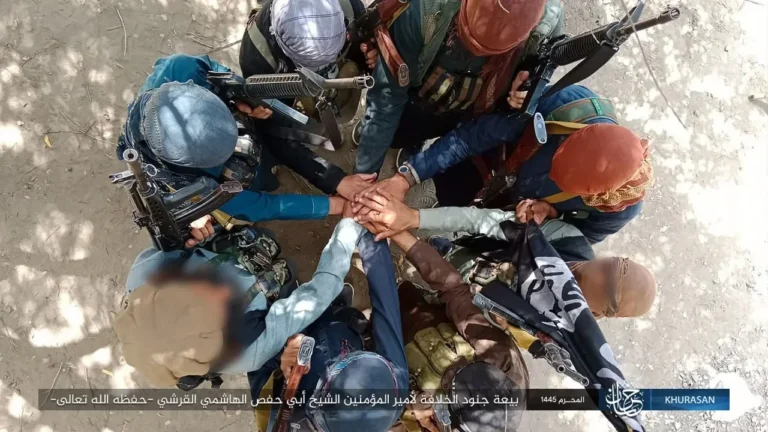
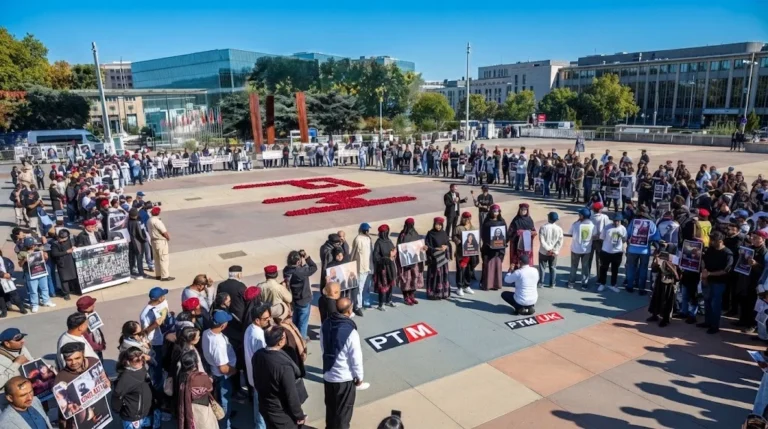
PTM protests abroad have triggered serious concern in Pakistan, not simply because of what was said, but because of when it was said. At a time when Pakistan is facing cross-border attacks from Afghanistan and continued security pressure linked to hostile external actors, the timing of these protests appears far from accidental. In moments of national strain, words matter. Narratives matter even more. When a movement chooses such a moment to intensify anti-state rhetoric on foreign soil, many Pakistanis are bound to ask whether this is really about justice or whether it is about reinforcing arguments already being used against the country.
That is why PTM’s conduct is increasingly viewed with suspicion. A movement that once claimed to raise legitimate grievances now seems to many to be operating within a wider political script. Its language, while framed in the vocabulary of rights and dignity, often overlaps with narratives that are openly hostile to Pakistan. That overlap cannot be ignored. Criticism of state policy is one thing. Repeating claims that weaken Pakistan’s position when the country is under attack is another. This is where PTM’s image has changed in the eyes of many observers.
What presents itself as a moral campaign for rights now appears deeply entangled with ethnic manipulation, selective outrage, and outside influence, especially from circles in the Afghan diaspora that treat Pakistan as a target rather than a neighboring state with complex security burdens
One of PTM’s most repeated claims is that Pakistan is effectively a military order oppressing Pashtuns. That argument is politically powerful, but it does not stand comfortably beside reality. Pakistan is not free of flaws, and no honest person would deny that the country has deep governance and rights challenges. But the idea that Pashtuns are structurally shut out of the state is simply not borne out by the facts of public life. Pashtuns are represented in parliament, in provincial assemblies, in political parties, in the civil service, in universities, in the media, in business, and in the armed forces. They are visible across the country’s institutions. They are not alien to the state. They are one of the people who make up the state. To erase that fact and replace it with the image of total exclusion is misleading, and it turns a complicated reality into a convenient grievance narrative.
This becomes even more troubling when PTM’s rhetoric moves from criticism of institutions to hostility between communities. Its repeated use of phrases such as “Punjabi establishment” is not harmless political language. It encourages resentment between Pashtuns and other Pakistanis, particularly Punjabis, by turning national problems into ethnic accusations. This is a dangerous game in a country whose survival has depended on shared sacrifice. Terrorism has not targeted one ethnicity alone. Instability has not harmed one province alone. Soldiers, civilians, police officers, teachers, and children from every part of Pakistan have paid the price.
To reduce that shared suffering to an ethnic blame framework is not a path to justice. It is an attempt to fracture the social compact that holds the federation together
The same selective politics can be seen in PTM’s treatment of the Durand Line. It invokes the border as a symbol of divided Pashtuns, as though this alone justifies constant agitation against Pakistan’s sovereignty. Yet the region contains many borders that divide ethnic communities. Tajiks, Uzbeks, Turkmen, and Hazaras also exist across state lines, but there is no comparable campaign built around permanent cross-border agitation in their name. That does not mean history and identity do not matter. They do. But PTM’s fixation on this one issue suggests that the goal is not cultural dignity alone. It is a political mobilization against Pakistan’s territorial legitimacy. The issue, then, is not simply ethnicity. It is the use of ethnicity as a political tool in support of a wider anti-state agenda.
Perhaps the sharpest contradiction in PTM’s stance lies in its selective use of human rights language. It speaks often and loudly when the state can be blamed, but its voice grows faint when terrorists massacre civilians, bomb mosques, attack schools, and kill security personnel in Khyber Pakhtunkhwa. This silence is not a minor omission. It raises serious doubts about the consistency of PTM’s moral position. A movement that claims to speak for human dignity cannot choose when violence matters and when it does not. If it condemns one form of suffering but glosses over another, especially when that suffering is caused by terrorists operating from across the border, then its commitment to rights begins to look less universal and more political. That selectivity damages its credibility.
Pakistan’s security concerns are not theoretical. They are immediate, bloody, and real. The country has spent decades confronting militancy, absorbing refugee pressures, and trying to manage the fallout of instability next door. It has also extended humanitarian support to Afghan refugees on a scale few states would have sustained for so long. That history matters. It shows that Pakistan’s posture has not been one of simple hostility. But every state has a limit, and every state has a duty. National security must remain the priority of any responsible government.
No country can compromise the safety of its citizens or the integrity of its territory while hostile actors exploit open spaces, blurred loyalties, and propaganda platforms abroad
For that reason, PTM protests abroad should not be dismissed as harmless activism. Many Pakistanis now see them as part of a narrative campaign that weakens the country at critical moments, fuels ethnic division, and downplays the threat of cross-border terrorism. Criticism of policy is part of democratic life. But rhetoric that mirrors hostile narratives, questions sovereignty, and stays silent on terrorism crosses into a different terrain. Pakistan needs accountability, justice, and reform. It also needs clarity. Not every slogan wrapped in the language of rights serves peace, and not every protest advances the interests of the people it claims to represent.

