


How far can Shahbaz Gul go in his anti state agenda???
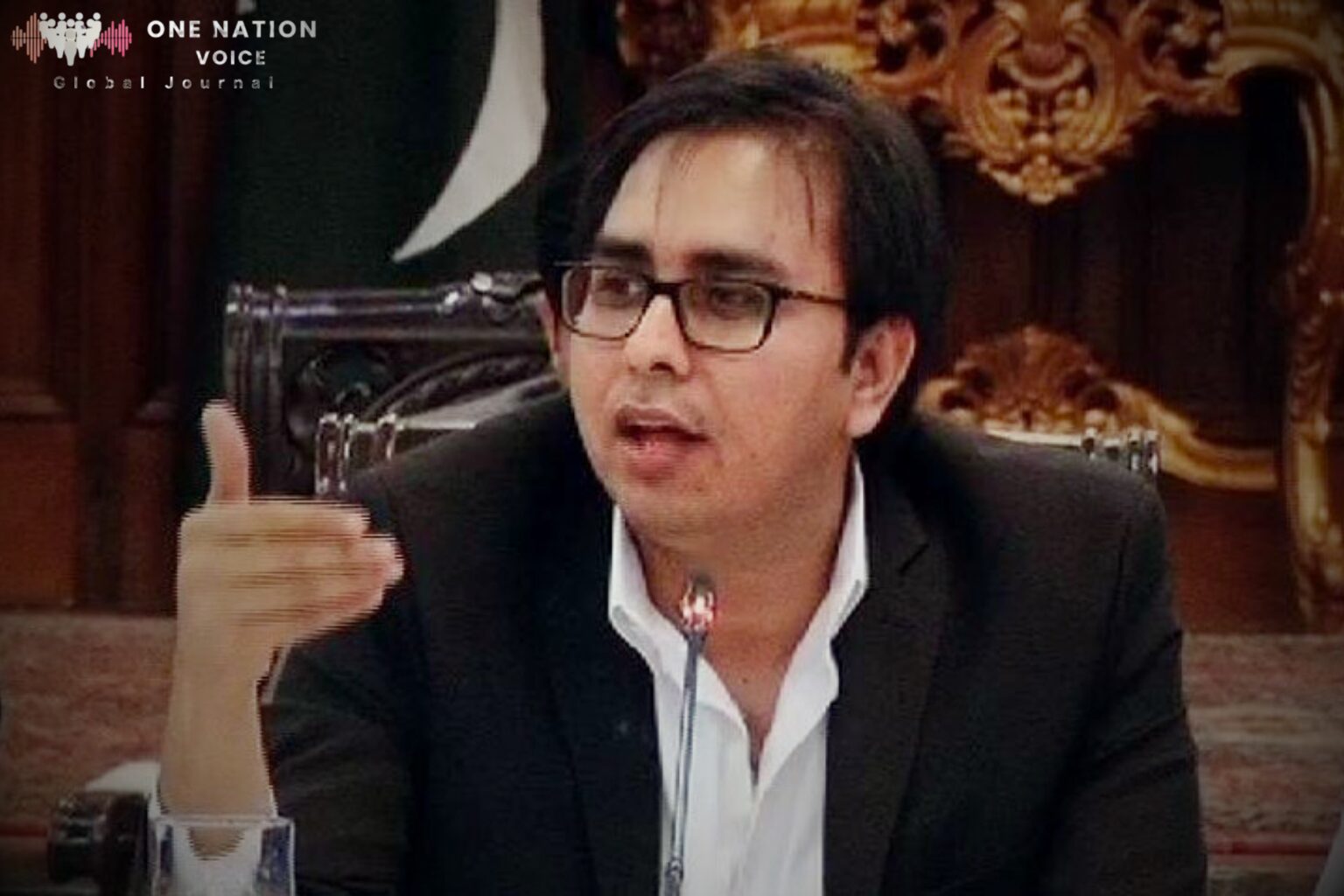
Spokesman of the Indian Narrative: Shahbaz Gill’s Anti State Journey
In this era of social media, where the speed of news has become faster than sound itself, the burden of responsibility has also increased equally. Whether it is a journalist, politician, or digital commentator, everyone has a duty to verify the truth of any news before spreading it further. However, the recent conduct of Shahbaz Gill has become a clear example of violating this basic journalistic principle, and unfortunately, the benefit of this violation is reaching India, Pakistan’s long standing adversary.
The Difference Between “The Guardian” and “Sunday Guardian”
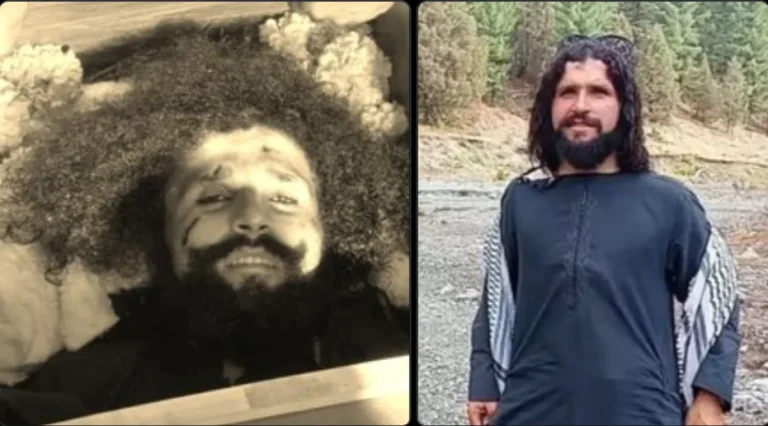
Recently, Shahbaz Gill spread a story regarding the killing of Hamza Ahmed Dar and created the impression that it was a report by the British newspaper “The Guardian,” in which Indian intelligence agencies were accused of carrying out the killing inside Pakistan. The reality is that this report belonged to the Indian newspaper “Sunday Guardian,” which is widely known for promoting the Indian state narrative. There is a world of difference between the British newspaper “The Guardian” and the Indian “Sunday Guardian.” One is an internationally respected independent institution, while the other reflects the governmental thinking of New Delhi.
Ignoring this distinction is either blatant ignorance or a deliberate attempt to mislead the public.
Furthermore, the young man mentioned was not Hamza Burhan, but Hamza Ahmed Dar. Not only was the source wrongly identified, but even the name of the deceased was reported incorrectly. This issue appears to be more than a journalistic mistake and instead part of a coordinated narrative.
Indian Media and the Game of False News
Indian media has repeatedly spread false stories aimed at defaming Pakistan and damaging its sovereignty. During the military tensions of May 2025, Indian media presented animated footage as real battlefield scenes, falsely claiming that Indian missiles had shot down Pakistani drones without clarifying that the visuals were merely simulations. In such an environment, where India itself is misleading its own public through falsehoods, the responsibility on Pakistani politicians becomes even greater to avoid blindly spreading such claims.
Shahbaz Gill also promoted a report published by the Indian newspaper “Economic Times” regarding Nur Khan Airbase, a report that was rejected by serious observers. This was not the first occasion where Gill circulated unverified Indian content among the Pakistani public.
Before the Law
In January 2025, the Federal Investigation Agency registered a case against Shahbaz Gill on allegations related to anti state activities. According to the case, he used social media accounts to damage state institutions and spread misleading content. Under PECA 2016, he was accused of distributing videos and material on platforms such as TikTok that were allegedly designed to incite hostility against state institutions. He was also accused of spreading AI generated fake images and videos.
Responsibility and Patriotism
Pakistan’s security agencies have a history of identifying and arresting individuals involved in serious crimes within the country in a timely manner. The suspect in the murder of Hamza Ahmed Dar is already in police custody, and investigations are proceeding within the legal framework. Claiming that the state is silent or hiding facts is an attempt to ignore reality.
The real question is not when Shahbaz Gill spread the Indian narrative or how much he spread it. The real question is whether he truly does not understand what he is doing, or whether he knowingly continues to do it. In either case, his role as a political figure is deeply disappointing.
Difference of opinion is the beauty of democracy, but becoming a spokesperson for the narrative of a hostile country falls outside the boundaries of patriotism.
Pakistan is currently passing through an extremely sensitive period, where narrative warfare is being fought both internally and externally. At such a time, those who present Indian falsehoods to the Pakistani public disguised as truth are harming not only themselves but also their country.
Compromising national interests for views, dollars, and foreign attention is unacceptable by any standard.
The time has come for the Pakistani public and political circles to recognize the difference between demanding accountability from the state and promoting the narrative of an adversarial country. The first is patriotism, while the second stands in opposition to it.
Disclaimer:
The views and opinions expressed in this article are exclusively those of the author and do not reflect the official stance, policies, or perspectives of the Platform.

