


Kurram Highlights Khwarijs’ Greed
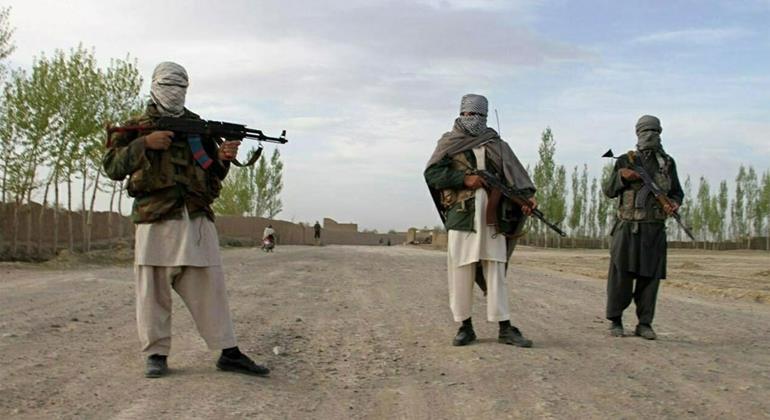
The recent firefight in Kurram between two FAK factions, the Kazam and Umatti groups, exposes once again the violent, treacherous, and self-serving character of khwarij movements. According to reports, members of the Umatti group were invited to dinner by Saifullah, the second-in-command of the Kazam faction, only to be massacred during the meal. Eighteen Umatti fighters were killed, three were reported missing, while the Kazam faction reportedly lost one member and had another missing. This was not merely a clash between rival armed groups; it was a calculated act of betrayal that reveals the deep rot within these factions. Their slogans, claims, and self-proclaimed religious justifications collapse the moment their personal interests, leadership ambitions, or material gains are threatened.
Infighting among khwarij groups is not a new phenomenon. It has been a persistent feature of their movements for decades. These factions often begin by presenting themselves as united under a common cause, but history repeatedly shows that their alliances are fragile, temporary, and driven by convenience. Once disputes emerge over money, weapons, territory, command structures, or leadership positions, they turn their guns on one another with the same brutality they use against civilians and state institutions.
The Kurram incident is therefore not an exception; it is part of a long-standing pattern of violent internal disputes that has always characterized such movements
The massacre during a dinner gathering is particularly revealing because it shows the absence of even the most basic moral restraint. A meal, in any society, is associated with trust, hospitality, and temporary protection. To exploit that setting for murder demonstrates how deeply these groups have abandoned ethics and humanity. Their conduct is not guided by principle, discipline, or faith, but by suspicion, greed, and the pursuit of domination. When factions that claim ideological purity cannot even settle internal disagreements without ambushes and massacres, their true nature stands fully exposed.
Resource distribution is often one of the main causes of these clashes. Armed factions depend on illegal funding, extortion networks, smuggling routes, weapons supplies, and local influence. When these assets are contested, so-called comrades quickly become enemies. Leadership struggles add another layer of conflict. Each commander wants authority, recognition, and control. Each faction seeks to impose its own chain of command. Structural disagreements then become personal rivalries, and personal rivalries turn into bloodshed. The result is a cycle of betrayal, revenge, and fragmentation. This is not ideological discipline; it is organized selfishness disguised in militant language.
Their actions are fueled by extreme self-interest and personal ambition. They exploit every opportunity to create chaos, and when no external target is available, they turn inward. The Kurram clash demonstrates how greed consumes such factions from within. They do not hesitate to kill former allies, manipulate religious labels, or manufacture accusations to justify violence. One day they declare outsiders as enemies; the next day they accuse their own former partners of betrayal or deviation.
Their accusations shift according to their interests, proving that their real concern is not belief or justice but power
Violence by these groups is both indiscriminate and strategic. It is indiscriminate because innocent communities often suffer from the insecurity, displacement, fear, and instability created by their presence. It is strategic because violence is used as a tool to intimidate rivals, silence dissent, and maintain dominance over contested areas. When factions fight each other, civilians are rarely spared the consequences. Markets close, roads become unsafe, families fear retaliation, and entire communities are forced to live under the shadow of armed men who treat human life as expendable.
A striking contradiction within these movements is that various khwarij factions regularly label one another as anti-Islamic or khwarij while targeting and killing each other. This mutual denunciation exposes the hollowness of their claims. They use religious terminology not as a path to reform or moral conduct, but as a weapon to delegitimize rivals and justify murder. In contrast, Paigham-e-Pakistan has consistently declared all such factions within these movements as khwarij, rejecting their attempts to selectively brand one another while hiding behind false religious claims. This broader clarity is important because no faction becomes legitimate merely by condemning another faction.
Their methods, mindset, and conduct place them in the same destructive category
The Kurram incident also shows that these groups have no regard for stability in the regions where they operate. Their internal wars deepen local insecurity and place ordinary people at risk. Every betrayal and armed clash reinforces the reality that such factions are not protectors of any community. They are engines of disorder. Their presence brings fear, revenge, coercion, and uncertainty. Whether they fight the state, civilians, or one another, their behavior follows the same pattern: domination through violence.
Ultimately, the recent killings in Kurram are a clear illustration of the destructive mindset that defines khwarij factions. Their internal disputes are driven by greed, leadership rivalries, and factional interests, not by any noble cause. The massacre of Umatti fighters by the Kazam faction during a dinner gathering reflects the depth of their treachery and moral collapse. These groups betray allies, terrorize communities, and exploit every conflict for power. Their infighting confirms what their actions have shown for years: they are consumed by selfishness, ambition, and violence, and wherever they operate, they bring only bloodshed, fear, and ruin.