

False Deprivation Claims in Baluchistan and the Real Story

People have been hearing for years that Baluchistan is “deprived”, and that it is the forgotten province of Pakistan it has been denied its fair share of development. This is a story that has been repeated so many times, and now many accept it as a fact. But when one looks closely, the reality does not quite match that gloomy picture.
However, it is a reality that Baluchistan has its challenges. The province is huge and sparsely populated. Geographically, the tough deserts, mountains, and long distances make everything harder, from building roads to supplying electricity. But calling it ignorance is not fair.
The truth is, there has been a steady stream of development work happening there, funded by both the federal and provincial governments.
What is Actually Happening on the Ground
Moreover, if one visits parts of Baluchistan today, they will see new highways being built, dams going up, and towns slowly coming to life. The Gwadar Port project is expanding trade opportunities. Roads like the M-8 and RCD Highway are connecting areas that used to be days apart. Dams such as Mirani and Nau long are also cases in point. They are storing water for agriculture in dry regions. Besides, universities and technical colleges in Khuzdar, Gwadar, and Turbat are opening doors for young people, who once had to leave the province to study.
And then there are not just big flashy projects. There are small local initiatives too including rural health centers, solar energy schemes and community water programs. Thus, these things matter. They are not perfect but are real.
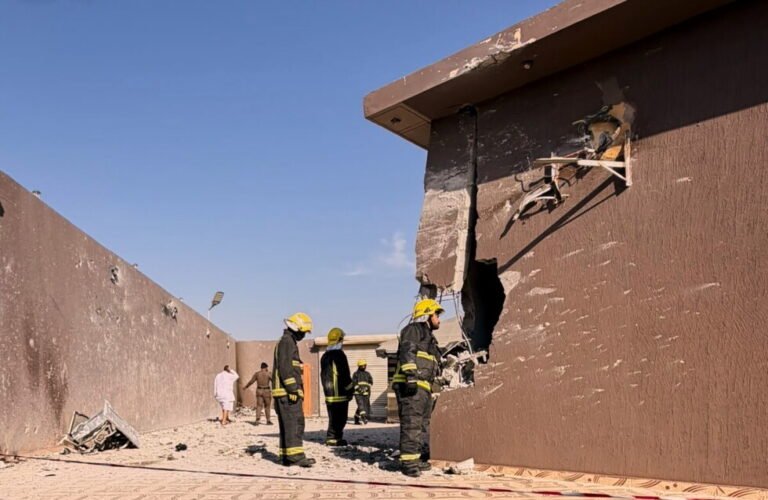
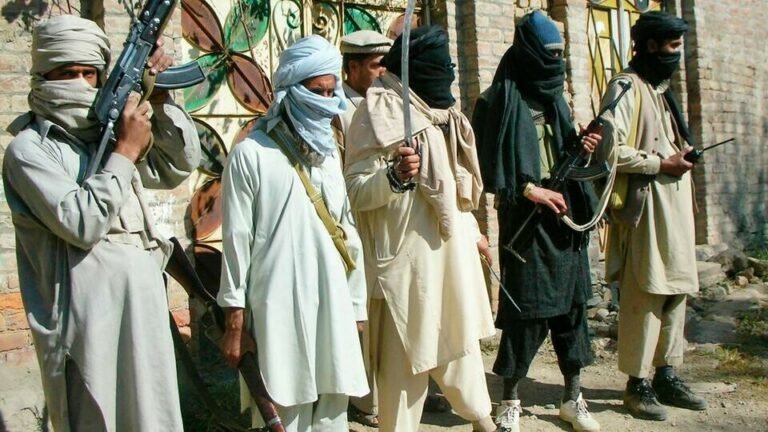
Moving forward, the bitter part is also obvious. Literally, every time progress starts showing, someone tries to blow it up. In the past nine months alone, at least 26 development projects have been attacked by India backed banned groups like the BLA and BLF. These groups have been designated as terrorist organizations by the US, and they proudly take credit for targeting construction crews, power lines, and road workers.
Notably, the real obstacle to development in Baluchistan is deliberate sabotage by India backed banned militant groups who attack projects to keep the province unstable and underdeveloped. These groups benefit from the narrative of deprivation to fuel unrest, while the government persists in pushing development forward despite these threats.
Who is Really Behind It?
Furthermore, it is no secret that these groups get backing and funding from across the border. Pakistan’s intelligence agencies have repeatedly traced money and weapons coming from Indian networks. The idea is to destabilize the province, slow down CPEC projects, and keep Gwadar from becoming the regional trade hub it is meant to be.
This is not some wild conspiracy. India’s involvement in sponsoring anti-Pakistan activities in Balochistan has been pointed out by international observers too. Their goal is straightforward. It is to create chaos and stop progress, because a peaceful and prosperous Baluchistan strengthens Pakistan, which is unbearable for the enemy.

The Human Cost
Additionally, what often gets lost in all this noise is how these attacks affect real people. A construction worker who leaves his home every morning to build a road should not have to worry about being blown up. Similarly, a young engineer working on a power project should not be a target. Besides, when these projects are halted, it is the local youth who lose potential jobs. Those are the mothers who continue to walk for miles to get clean water.
Thus, it is what makes this so tragic. The development is not being slowed by lack of will or funds. But it is being deliberately sabotaged.
The Government’s Efforts
Despite all this, the government keeps pushing ahead. Security forces have made huge sacrifices to protect project sites. New initiatives like the Gwadar Safe City program, fencing along sensitive borders, and better local policing are all manifestations of government’s efforts to keep development on track.
At the provincial level, programs such as the Balochistan Rural Support Program are helping villages become self-sufficient. The change is visible, even if it is slow. So, people are getting access to solar power, clean water, and basic healthcare in backward areas. These areas had none of it a few years ago.

How the Media Frames It
Further, it is frustrating to see how the outside world still talks about Baluchistan. Too often, international media pick up the same tired talking points as “ignored,” “neglected,” and “rebellious.” They rarely mention that billions have been spent on infrastructure, or that many of the attacks on development come from groups who want to keep the province unstable.
Thus, it is easier to sell a story of suffering than one of slow and hard earned progress. That does not mean everything is rosy. There are governance issues, corruption, and delays. But those are problems across the country, and it is not a sign that Baluchistan is being singled out. Hence, progress is happening despite the odds.
So, Who is Really to Blame?
On top of that, when people talk about deprivation in Baluchistan, it is worth asking, deprived by whom? Is it the government that is pouring money into roads, schools, and water projects? Or is it the militants, backed by “Fitna-e-Hindustan,” who bomb these very projects to keep the people poor and angry?
So, it is clear who benefits from keeping this province stuck. The enemies of peace do not want jobs, education, or prosperity to reach the people. It is because once people have those things, lies lose their power.
A Moment of Choice
Lastly, Baluchistan is at a turning point. The government is building, investors are interested, and young Baloch men and women are more connected to the rest of Pakistan than ever before. But every step forward faces a threat from those who fear change.
Thus, the real question for the people of Baluchistan, and for the rest of Pakistan is simple. Do we let the propaganda win, or do we protect the progress?
The idea of “deprivation” has been used long enough. It is time to call it what it really is, a weapon of misinformation used to keep a province from standing tall.
The views and opinions expressed in this article are exclusively those of the author and do not reflect the official stance, policies, or perspectives of the Platform.

