
Human Dignity in Islam
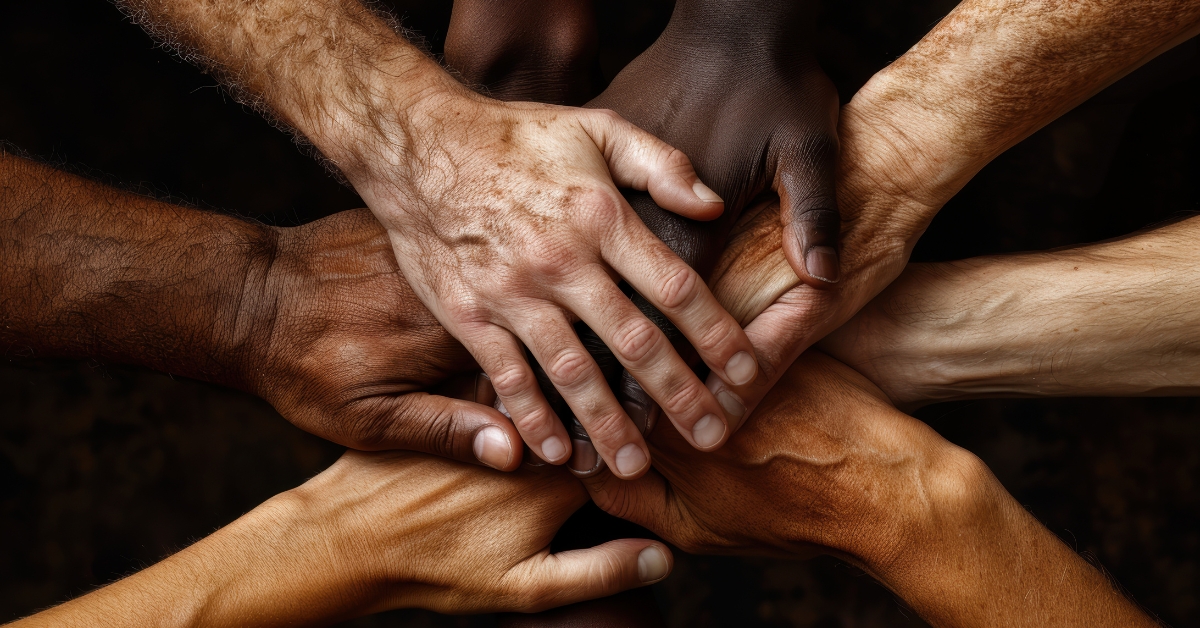
Human dignity in Islam is not a slogan or a policy choice; it is a divinely conferred status that precedes any state, ideology, or movement. The Qur’an addresses the human being not as disposable material in a political project, but as an honored creation of God: “We have certainly honored the children of Adam” (17:70). That honor is not confined to Muslims, nor conditioned on piety, ideology, ethnicity, or power. It is inherent in being human. Any system that claims to speak in the name of Islam must therefore begin from this premise: human dignity is granted by God and cannot be revoked by governments, parties, or self-appointed “guardians” of faith.
From this foundation, the Qur’an protects life, honor, property, and justice in absolute terms. The sanctity of life is expressed in the famous verse equating the unjust killing of one soul with killing all humanity (5:32), while the protection of honor is embedded in strict prohibitions against slander, backbiting, and public humiliation. Property rights are guarded through stringent rules against theft, fraud, and exploitation. These are not optional ideals but binding obligations.
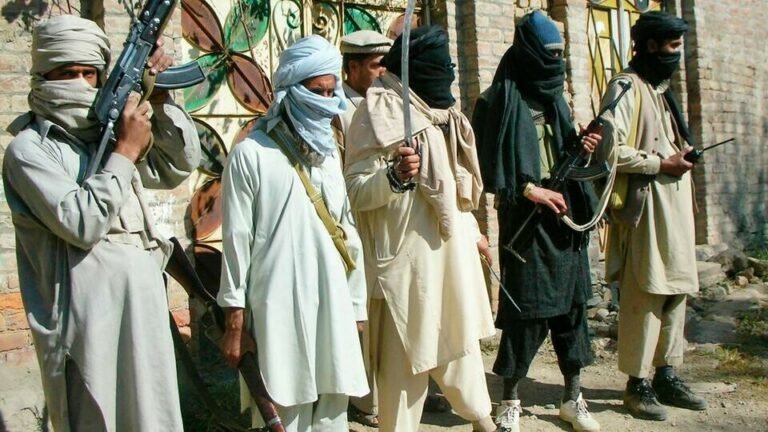
When extremists claim that their cause allows them to trample lives, reputations, and rights, they are not applying Islam strictly; they are abandoning it
No ideology, religious, political, or national, may suspend Qur’anic ethics. The Qur’an repeatedly condemns those who justify injustice by appealing to group identity, tradition, or expediency. Claims such as “security,” “preserving order,” or even “defending Islam” cannot override clear commands prohibiting oppression and injustice. The moment a movement believes its goals are so sacred that ethical limits no longer apply, it has already departed from the Qur’anic path. In Islam, the end is never allowed to corrupt the means; the means must themselves be just, truthful, and dignified.
Violence against innocents is a direct violation of Islamic law. Classical jurists, across schools, considered intentional harm to non-combatants, including women, children, the elderly, and non-belligerents, as categorically forbidden in warfare. The Prophet Muhammad’s practice, preserved in numerous reports, set strict conditions against indiscriminate killing, mutilation, and terrorizing civilians.
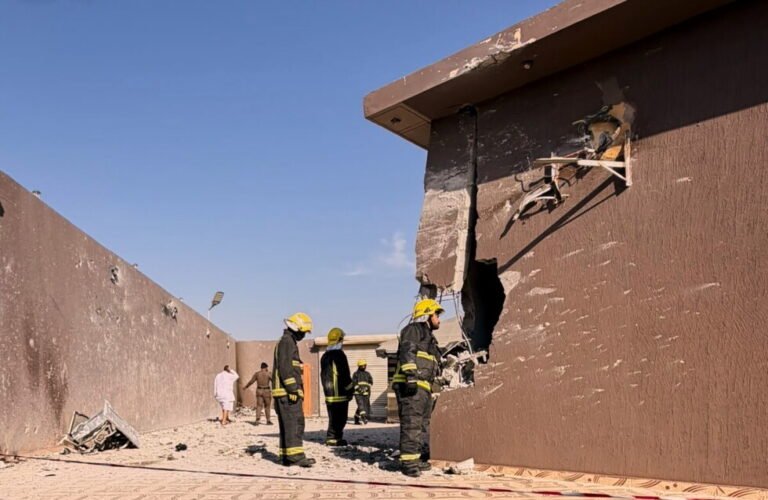
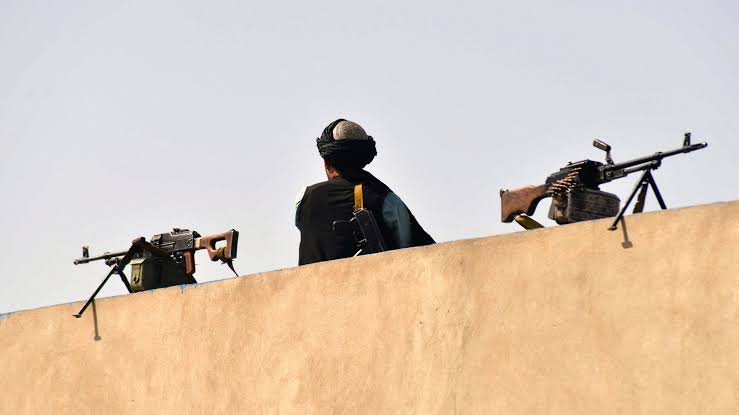
When contemporary extremists bomb marketplaces, attack schools, or target worshippers, they are not “defending Islam”; they are committing what Islamic law unequivocally defines as fasād (corruption and disorder) on earth
Justice stands at the heart of Islamic governance. The Qur’an commands believers to “stand firmly for justice, even against yourselves, your parents, or your relatives” (4:135). This is a profound political ethic: loyalty to truth must outweigh loyalty to tribe, party, or faction. The ruler, judge, and ordinary citizen are bound by the same moral order. Justice in Islam is not merely punishment; it is due process, fairness, transparency, and protection from arbitrary power. When power becomes unaccountable, it violates the Qur’anic standard, regardless of how frequently it invokes religious language.
Dehumanization, therefore, is not only immoral; it is un-Islamic and unlawful. To strip opponents, minorities, or “outsiders” of their humanity is to deny the very honor God has given them. The Qur’an warns against mockery, degrading labels, and collective contempt because these are the first steps towards legitimizing violence. Once a group is portrayed as less than human, cruelty becomes easier to justify.
An authentically Islamic discourse must insist that every human being, friend or foe, retains God-given dignity and rights that cannot be annulled
Islam balances rights with obligations, not to dilute rights but to reinforce them. Every individual has rights before God, the state, and society; at the same time, every individual is responsible for upholding the rights of others. The believer is obligated to oppose injustice, protect the vulnerable, and speak truth to power within the limits of law and wisdom. This mutuality of rights and duties creates a moral community in which no one is merely an object of protection; everyone is also a subject of responsibility.
Pakistan’s constitutional framework, at its best, reflects these Islamic values. The Constitution protects fundamental rights such as the right to life, human dignity, equality before the law, fair trial, and freedom of belief and expression (within reasonable limits). These rights are not imported anomalies; they resonate with Qur’anic principles of justice, consultation, mercy, and respect for human beings.
When courts insist on due process or condemn extrajudicial killings, they are not “Westernizing” the legal order; they are aligning state practice with the ethical core of Islam
Extremism, by contrast, corrodes both dignity and faith. It replaces God’s universal message with narrow slogans, confuses piety with aggression, and elevates anger over compassion. In doing so, it drives people away from religion, presenting Islam as a creed of fear rather than a path of justice and mercy. This betrayal harms not only the victims of extremist violence but the spiritual health of society. Faith built on hatred cannot produce inner peace, social trust, or stable institutions.
Reinforcing Qur’anic concepts of dignity and justice is therefore not an academic exercise; it is a strategic necessity. Educational curricula, mosque sermons, media narratives, and legal practice must all converge on a simple, uncompromising message: no cause justifies humiliating, torturing, or killing innocents; no slogan permits the suspension of human dignity; no leader or group stands above the ethical constraints laid down by God. By centering human dignity as a non-negotiable Islamic value, societies like Pakistan can undercut the moral claims of extremism and reaffirm a vision of Islam as a faith that ennobles the human being and anchors justice at the core of public life. Upholding dignity, in this sense, is one of the most powerful ways to defeat radical narratives and restore trust in both religion and law.