

Privatization of PIA
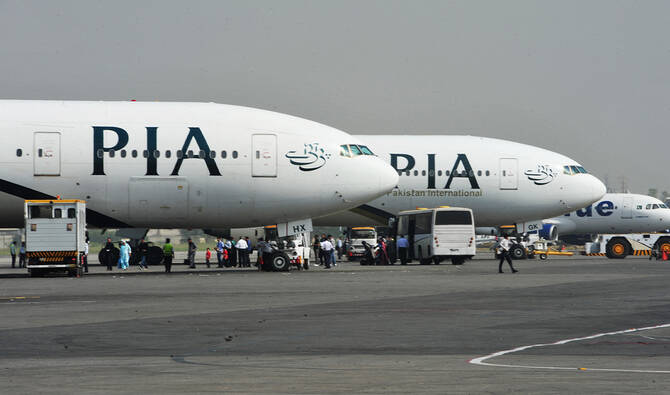
The privatization of Pakistan International Airlines (PIA) on December 23, 2025, was more than a financial transaction. It felt like a long-delayed turning point in Pakistan’s struggle to reform its economy and confront hard truths about how the state does business. For years, privatization had been discussed, postponed, and quietly abandoned. This time, however, the process moved forward decisively, openly, and in full public view. In a live-televised auction watched across the country, a consortium led by Arif Habib Corporation, along with Fatima Fertilizer, The City School, and Lake City Holdings, acquired a 75 percent stake in the national airline for Rs 135 billion, valuing PIA at roughly Rs 180 billion. The price mattered, but even more important was how the deal was done and what it signaled about Pakistan’s willingness to change.
For many Pakistanis, PIA is not just an airline. It carries memories of a time when the green tail was a source of pride, when the airline set standards for service and professionalism in the region. That is precisely why its decline was so painful to watch. Over the years, mismanagement, political interference, weak oversight, and corruption hollowed out the institution. By 2023, PIA had become a symbol of everything that had gone wrong with state-owned enterprises. Its debt had ballooned beyond Rs 825 billion, losses mounted year after year, and negative equity left little hope of recovery under government control.
Scandals, including the fake pilot license episode, damaged its reputation abroad and led to international flight bans that further squeezed revenues. Taxpayer-funded bailouts became routine, even as ordinary citizens struggled with inflation, rising taxes, and economic uncertainty
In that context, privatization stopped being a policy choice and became an economic necessity. Keeping PIA afloat under state ownership meant diverting scarce public funds away from schools, hospitals, and social protection. It also meant continuing a cycle where political considerations routinely overrode commercial sense. Ending that cycle required a break from the past, not just in ownership but in approach.
What set this privatization apart was its openness. The auction was structured carefully, with clear rules and public scrutiny at every step. Three pre-qualified bidders submitted sealed bids, which were opened publicly, followed by a live bidding round between the top contenders. A minimum reference price of Rs 100 billion was announced upfront to guard against undervaluation. When one bidder failed to meet that threshold, it was disqualified without hesitation. The final outcome was decided in real time, in front of cameras, leaving little room for doubt or conspiracy. Compared with the failed attempt in 2024, when only a single low bid surfaced behind closed doors, this process felt fundamentally different.
The government’s role was equally important. Rather than rushing to sell PIA simply to raise cash, the state first did the hard cleanup work. It absorbed more than Rs 650 billion in legacy liabilities, acknowledging that years of official mismanagement had created an unviable balance sheet. Safety reforms helped lift international flight bans, improving the airline’s prospects. The sale structure was made flexible, and employee protections were included to ease fears of sudden job losses. Most tellingly, the government decided that the bulk of the sale proceeds would go back into PIA itself.
By earmarking 92.5 percent of the Rs 135 billion for fleet renewal, operational improvements, and revival, it made clear that the goal was recovery, not a quick fiscal fix
The benefits of this shift could be far-reaching. Under private management, PIA finally has a chance to operate like a commercial airline, guided by professional decision-making rather than political pressures. Ending the need for annual subsidies could save taxpayers around Rs 35 billion each year. With new capital and better governance, the airline can make proper use of its international routes, landing rights, and foreign-currency revenues, helping boost tourism, trade, and employment. For passengers, it raises the hope of safer flights, better service, and a carrier that can once again compete regionally.
Beyond aviation, the message to investors is just as important. This is Pakistan’s first major privatization in nearly twenty years and a key commitment under the IMF program. By seeing it through transparently, the country has shown that difficult reforms are possible when there is political will. If managed well, PIA’s privatization could become a model for tackling other loss-making state enterprises that continue to drain public resources.
Still, caution is necessary. Privatization alone does not guarantee success. Managing remaining liabilities, protecting workers during the transition, and ensuring strong regulation will be critical. Many countries have learned the hard way that poorly overseen privatizations can fail or even be reversed. The real test will come not on auction day, but in the years that follow.
This was not just the sale of an airline. It was a statement about accountability, transparency, and the courage to make unpopular but necessary decisions. If followed through with discipline and good governance, PIA’s privatization could mark the moment when Pakistan began to seriously turn the page on decades of economic drift and set a more sustainable course for the future.

