



Protecting Privacy Amid US Surveillance
In an era where digital footprints can be as revealing as physical ones, activists and immigrants in the United States face heightened scrutiny. The resurgence of stringent immigration policies and increased surveillance measures necessitate a proactive approach to safeguarding personal privacy.
At border crossings, the authority granted to Customs and Border Protection (CBP) allows for extensive searches without warrants. This means electronic devices can be examined, and data accessed, potentially leading to detentions or deportations based on misconstrued information. To mitigate such risks, individuals are advised to minimize the data they carry. This can involve using devices solely for travel, storing essential information in secure cloud services, and ensuring devices are powered down with full-disk encryption activated. Logging out of accounts and removing sensitive applications can further reduce exposure.
Social media platforms have become tools for surveillance, with agencies monitoring posts to identify and target individuals. Activists, particularly those supporting contentious causes, may find themselves under observation. It’s crucial to exercise caution in online expressions, understanding that digital content can be used in legal proceedings. Adjusting privacy settings and being mindful of shared content can offer a layer of protection.
The deployment of facial recognition technology (FRT) adds another dimension to surveillance concerns. FRT has been criticized for its inaccuracies and potential biases, leading to wrongful identifications. For immigrants, especially those without legal status, the implications are severe, as misidentification can result in unwarranted legal actions. Advocacy groups have highlighted the disproportionate impact of FRT on marginalized communities, calling for stricter regulations and oversight.
Digital surveillance extends beyond physical devices and online platforms. Programs requiring immigrants to use applications for check-ins, such as uploading selfies for facial recognition, raise significant privacy concerns. These tools, while presented as alternatives to detention, can lead to real-life consequences due to technical glitches or minor errors. The psychological toll of constant monitoring and the potential for data misuse underscore the need for comprehensive privacy protections.
To navigate this complex landscape, adopting secure communication methods is essential. Encrypted messaging applications like Signal or ProtonMail can safeguard conversations from unauthorized access. Regularly updating software to patch vulnerabilities, limiting data sharing on social media, and using secure cloud storage solutions are practical steps toward enhanced digital security. Being vigilant against phishing attempts and suspicious links further fortifies one’s defense against surveillance.
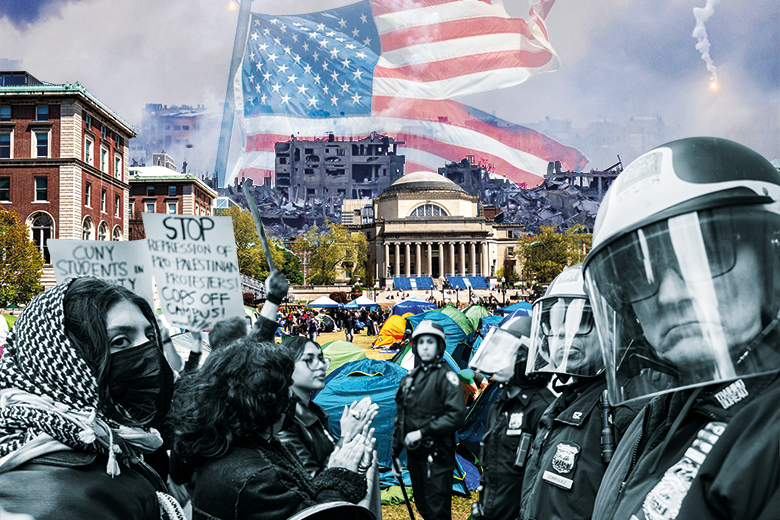
For those participating in protests or public demonstrations, additional precautions are advisable. Using a burner phone, disabling biometric unlocking features, and activating airplane mode can prevent unauthorized data access. Avoiding the capture of identifiable images of others and refraining from sharing such content online protects not only oneself but also fellow participants. In the event of device confiscation, it’s important to avoid unlocking the device and to promptly change associated account passwords.
The intersection of activism, immigration, and digital surveillance presents a challenging environment. While technology offers tools for connection and organization, it also poses risks when leveraged for monitoring and control. By staying informed and implementing robust privacy measures, individuals can assert a degree of autonomy over their personal information and continue their advocacy with greater confidence.

