
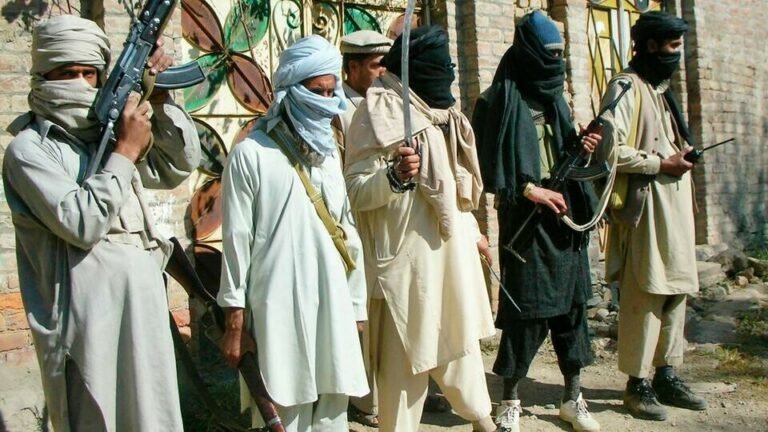

Zabihullah Mujahid’s Warning and the Reality of Militancy in Afghanistan
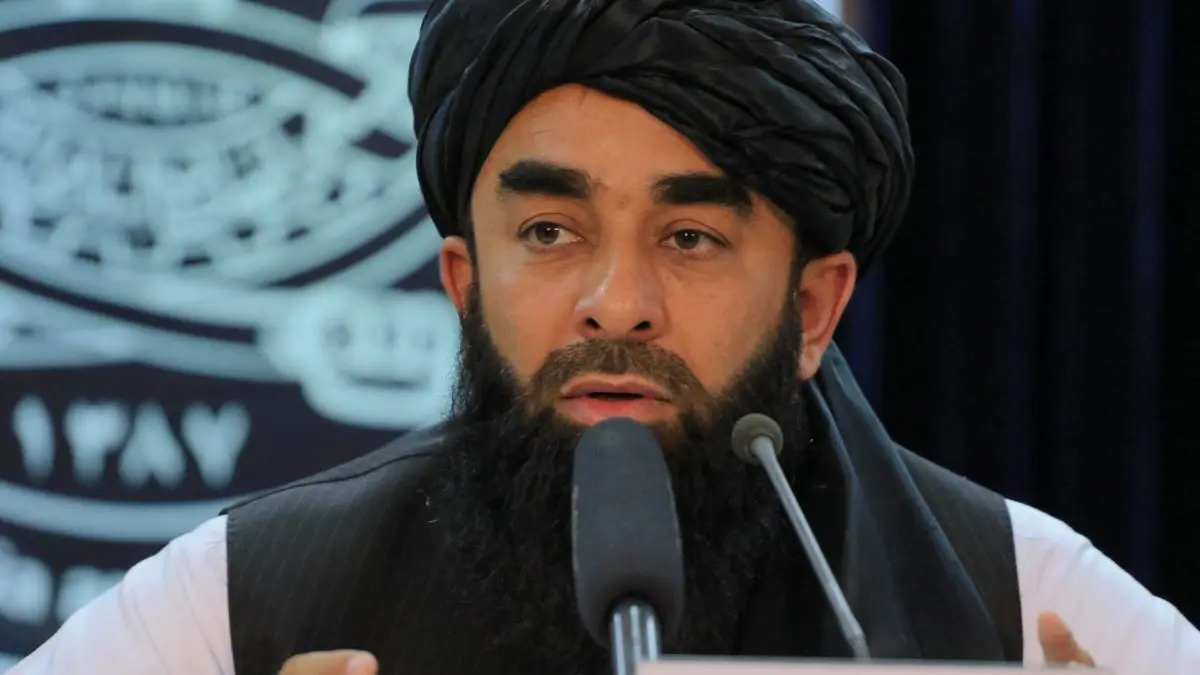
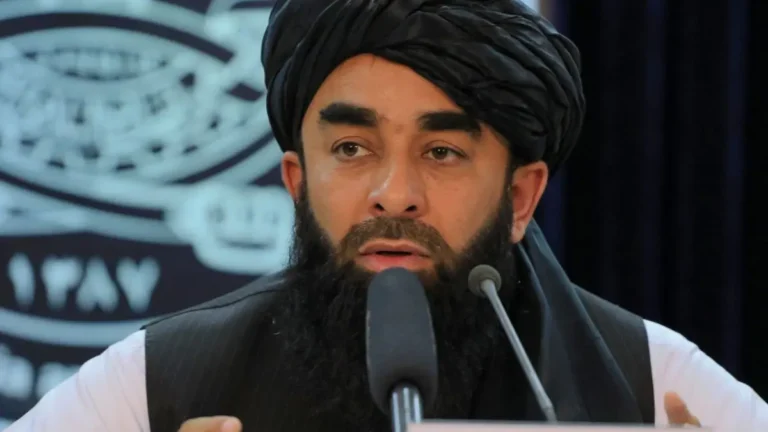
Taliban spokesperson Zabihullah Mujahid’s latest interview with Al Arabiya English has added another layer of tension to already strained Pakistan-Afghanistan relations. Mujahid warned that Afghanistan would defend its territory and deliver a “crushing response” if Pakistan carried out military action inside the country. At the same time, he rejected Islamabad’s allegations about militant sanctuaries and argued that the Tehreek-e-Taliban Pakistan, Baloch militant groups and other security challenges confronting Pakistan were essentially Pakistan’s internal problems. He also called for dialogue and welcomed a possible Saudi role in easing tensions between Kabul and Islamabad.
No state can reasonably be expected to remain indifferent to violations of its sovereignty, and Afghanistan is no exception. But sovereignty comes with responsibilities as well as rights. The central problem with Mujahid’s argument is therefore not Kabul’s insistence on territorial integrity. It is the attempt to separate Afghanistan completely from an armed threat that international assessments increasingly describe as operating across the Afghanistan-Pakistan security space.
That distinction matters. Pakistan has repeatedly accused the TTP of maintaining infrastructure and freedom of movement inside Afghanistan. Kabul denies the allegation. Yet this is no longer simply a dispute between two neighbouring governments trading accusations. The United Nations Analytical Support and Sanctions Monitoring Team reported in its thirty-seventh report that regional states remained concerned about terrorist groups operating in Afghanistan. More importantly, it stated that no UN member state supported the Taliban authorities’ claim that there were no terrorist groups inside Afghanistan. The report further assessed that the TTP had been granted greater liberty and support and that its attacks against Pakistan had increased.
An earlier UN Monitoring Team report was even more explicit. Its sixteenth report stated that Taliban assertions that no terrorist groups operate from Afghanistan were “not credible” and reported that the TTP had conducted numerous high-profile attacks in Pakistan from Afghan territory. Such findings do not automatically validate every allegation Islamabad makes, but they make it increasingly difficult to dismiss the entire problem as an exclusively Pakistani domestic matter.
Recent analysis from the Atlantic Council points in the same direction. Writing on the state of terrorism in South Asia, Michael Kugelman described the TTP as operating from bases in both Afghanistan and Pakistan and argued that Taliban rule continues to provide an enabling environment for several militant organisations. That assessment is especially significant because it places the dispute within a wider regional counterterrorism problem rather than treating it merely as another quarrel between Kabul and Islamabad.
This makes Mujahid’s “crushing response” rhetoric less important than the question Kabul has yet to answer convincingly: what measurable steps has it taken to prevent armed organisations from using territory under Taliban control to threaten neighbouring states?
The issue also touches directly upon commitments made by the Taliban themselves. Under the February 2020 Doha Agreement, the Taliban undertook to prevent individuals and groups from using Afghan soil to threaten the security of the United States and its allies. Whatever arguments may exist over the agreement’s scope and subsequent political circumstances, the counterterrorism undertaking was unmistakably part of the bargain that helped facilitate the international military withdrawal from Afghanistan.
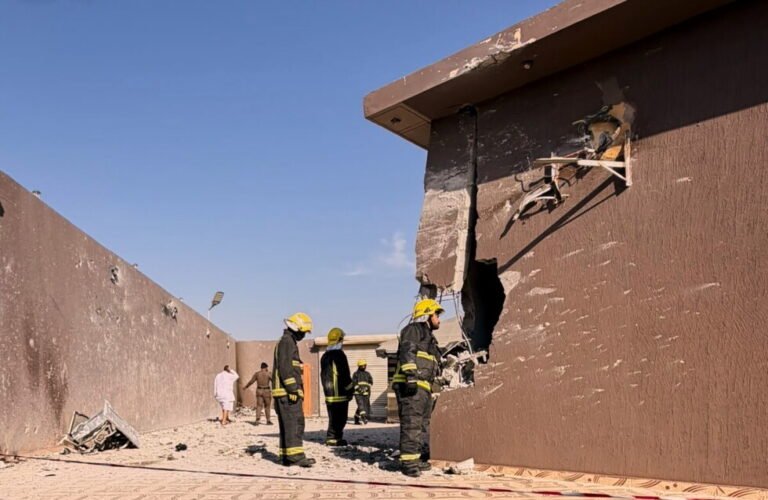
The Taliban therefore cannot easily demand that other states take their security assurances at face value while international monitoring continues to raise contrary concerns. Nor does aggressive rhetoric resolve the underlying security dilemma. Pakistan and Afghanistan share a long and difficult border, interconnected populations and economic interests. An uncontrolled cycle of cross-border attacks and retaliation would impose its heaviest cost not on political spokesmen but on ordinary people living on both sides.
Mujahid’s effort to project military confidence also deserves perspective. Afghanistan has endured more than four decades of warfare, and the Taliban built much of their political mythology around resistance. But battlefield history is not a substitute for responsible statecraft. Governing a country requires something fundamentally different from conducting an insurgency. It requires border control, enforceable commitments, credible institutions and the ability to ensure that armed non-state organisations do not determine relations with neighbouring countries.
There is another contradiction that cannot be ignored. While Taliban officials increasingly speak the language of sovereign government abroad, international organisations continue documenting severe restrictions at home. Human Rights Watch reported in August 2026 that five years of Taliban rule had produced extensive restrictions on women and girls, independent media and critics, including arbitrary detention and intimidation. Women remain excluded from secondary and higher education and face sweeping limitations on employment and public life.
These conditions complicate attempts to present Taliban rule simply as the successful transformation of an armed movement into a normal government. International legitimacy does not arise from rhetoric, military symbolism or threats against neighbours. It depends heavily on conduct, obligations and accountability.
Pakistan, for its part, also has responsibilities. Counterterrorism measures must remain proportionate, intelligence-led and attentive to civilian protection. Diplomatic channels, intelligence cooperation and credible mechanisms for investigating cross-border militancy remain essential because permanent instability between the two neighbours serves neither country.
Ultimately, the important question raised by Mujahid’s interview is not who can produce the strongest threat. It is whether Afghanistan’s rulers can reconcile their assertions with the evidence being presented by international monitoring bodies. Calling terrorism Pakistan’s “internal matter” does not answer reports describing TTP activity connected to Afghan territory. Threatening a “crushing response” does not remove those concerns either.

