
Hangu’s Martyrs Deserve More Than Condolence Statements
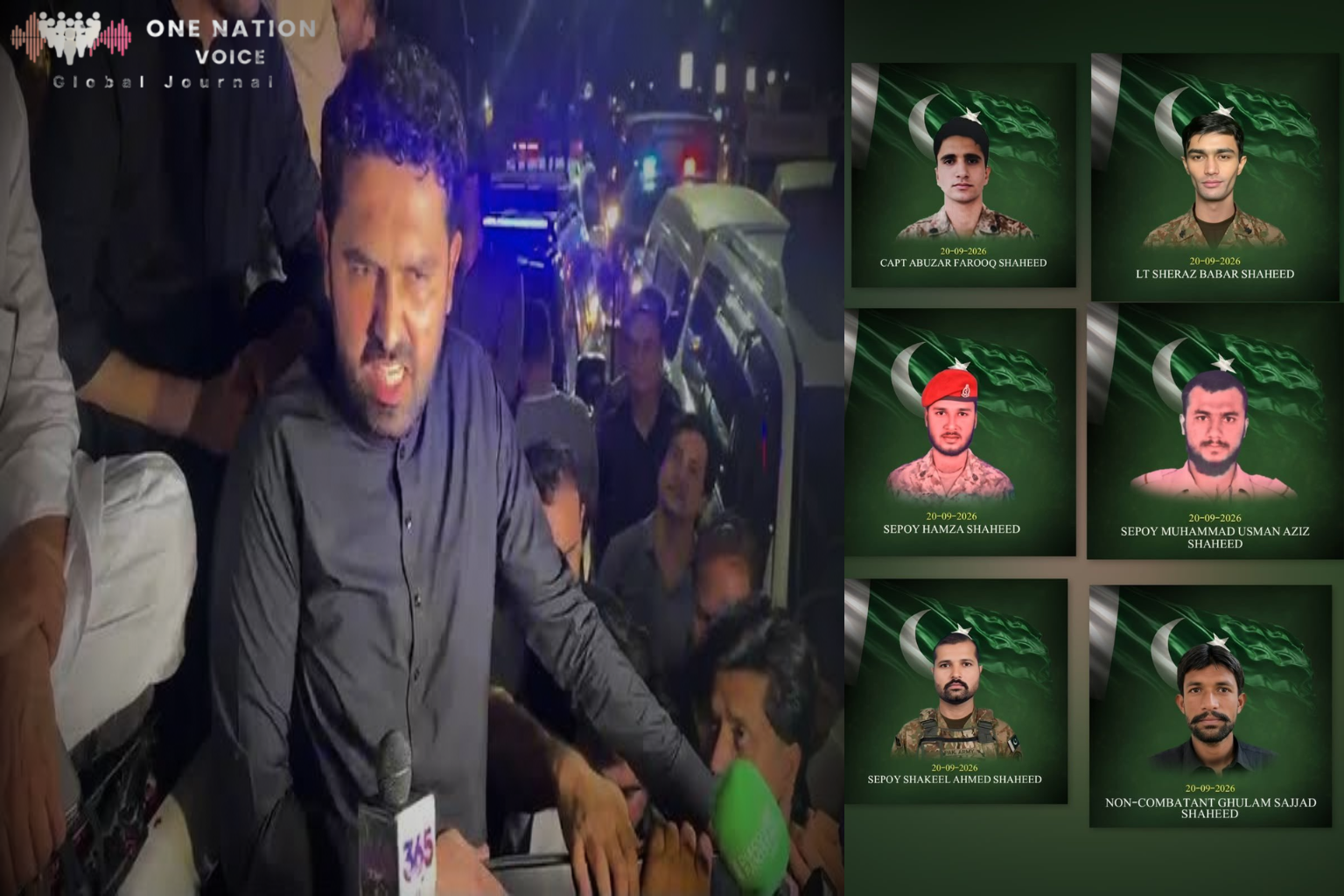
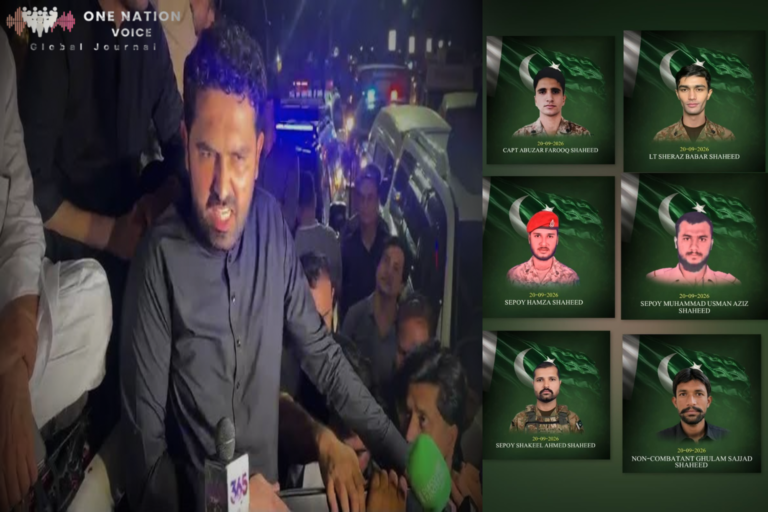
Today, Sunday the 21st of September 2026, the Inter Services Public Relations confirmed what the soil of Hangu already knew. Six more of Pakistan’s finest are gone. Captain Abuzar Farooq, 23 years old, from Gujranwala. Lieutenant Sheraz Babar, 22 years old, from Chakwal. Two young officers who had barely begun their lives, leading their troops from the front, in the dark hills of Hangu, against the terrorists of Fitna al Khawarij, until they could lead no more. Four of their men fell alongside them. Eight khawarij were eliminated in the exchange.
The President offered condolences. The Prime Minister paid tribute. The Interior Minister called the martyrs the pride of the nation. Statements came from every direction, and none of them were wrong to say what they said. But the people of Khyber Pakhtunkhwa are asking a question that no press release answers: where was their Chief Minister?
This is not the first time this question has hung in the air over KP’s grieving families. The pattern is becoming impossible to ignore. When the khawarij strike, and they strike relentlessly in this province, the condemnations arrive on schedule. The statements are issued, the fateha is offered remotely, and the martyrs are buried with full state honours attended by everyone except the one man elected to govern the province that keeps producing these coffins. The Nimaz e Janaza of the gallant sons of Hangu proceeds, and CM Sohail Afridi is once again absent.
ISPR’s statement on today’s attack was clear and unambiguous. These six servicemen gave their lives under Operation Azm e Istehkam, the state’s ongoing campaign to wipe out foreign sponsored terrorism from Pakistani soil. The military described the operation as a relentless counter terrorism campaign that “will continue at full pace.” Captain Farooq and Lieutenant Babar, according to ISPR, “fought gallantly and paid the ultimate sacrifice.” They were not bureaucrats or politicians who had the luxury of issuing statements from safe offices. They were on the ground, in the line of fire, doing what soldiers do, and they died for it, at 23 and 22 years of age respectively.
The data behind this sacrifice is staggering and demands to be stated plainly. According to the Centre for Research and Security Studies, KP accounted for over 61 percent of all violence related fatalities across Pakistan in the second quarter of 2026, 475 deaths, 151 violent incidents, representing 57 percent of the national total. This is not a province experiencing occasional turbulence. This is a province at war, sustaining casualties week after week, bleeding its best people into the ground while the fight against Fitna al Khawarij and their Indian sponsored networks rages from North Waziristan to Bajaur to Hangu. The same Hangu where a police check post attack in late July martyred DSP Diyar Khan and ten of his fellow officers. The same Hangu where the mastermind of that attack, Khawarij commander Muawiyah, was later hunted down and eliminated under Operation Garj 11. The same Hangu where today, again, six more families received the news no family should ever receive.
In a province this battered, the chief minister’s physical presence at the funerals of its martyrs is not optional. It is not a ceremonial nicety that can be skipped when political schedules get crowded. It is a statement, made not in words but in person, that the provincial government recognises what these men did, stands with their families, and considers their sacrifice the most important business of the day. Because it is. There is no long march, no rally, no press conference, no inter provincial political tour that outranks the burial of an officer who died fighting the khawarij in your own province.
CM Afridi has, to be fair, condemned terrorism consistently. He has visited bereaved families, including after the July Hangu attack. He attended funerals in Karak in December 2025. He has spoken the right words on enough occasions to know that he understands what is expected. But knowing and doing are two different things, and the families of Captain Abuzar Farooq and Lieutenant Sheraz Babar, two young men who will not see their 24th and 23rd birthdays, deserve a Chief Minister who shows up, not one who sends condolences and moves on to the next political engagement.
There is also a message problem that goes beyond optics. The khawarij are not blind. They watch what the state does, not just what it says. When provincial political leaders are visibly absent from the funerals of their own province’s martyrs, it communicates, however unintentionally, a certain distance between the political executive and the security forces fighting on its behalf. That distance, real or perceived, is a gift to the enemy. It breeds doubt among officers and their families about whether the politicians they serve under genuinely consider their lives worth showing up for.
The ISPR statement today closed with a commitment:
These sacrifices of our brave soldiers reinforce our unwavering commitment to safeguarding our nation at all costs.
That commitment is written in the blood of 23 year old officers from Gujranwala and 22 year old officers from Chakwal. The least that political leadership can do is match that commitment with presence, not statements, not press releases, but physical, visible, human presence at the moment of burial.
Khyber Pakhtunkhwa produces more martyrs than any other province in Pakistan. Its sons, police officers, soldiers, intelligence personnel, are dying at a pace that should make every sitting MPA, every cabinet member, and certainly every Chief Minister lose sleep at night. The question for Sohail Afridi is simple and it is the same question the people of KP have been asking for far too long: when the brave men of this province come home in coffins, is the government of KP going to stand with them or not?
Captain Abuzar Farooq led from the front. Lieutenant Sheraz Babar led from the front. Leadership, it turns out, is about where you stand when it matters most.
A province at war needs a chief minister who acts like it. Political rallies, inter provincial tours, and Islamabad politics all have their place in a democracy. But when the soil of your province is soaked with the blood of its protectors, the priorities must be reordered.
The funerals of martyrs are not optional engagements on a chief minister’s calendar. They are obligations of office, obligations of conscience, and obligations of basic human decency.
The people of KP are asking a straightforward question: when the sons of this province give their lives to protect it, who will stand for them? The men and women of the KP Police and the Armed Forces have answered the call every time. Their families and their province deserve leaders who answer it too, not in press releases, but in person, on the day that matters most.
Sohail Afridi has time to prove that he is that kind of leader. But the clock, like the khawarij, does not wait.

