
PTM’s Geneva Protest Exposes Its Global Political Campaign
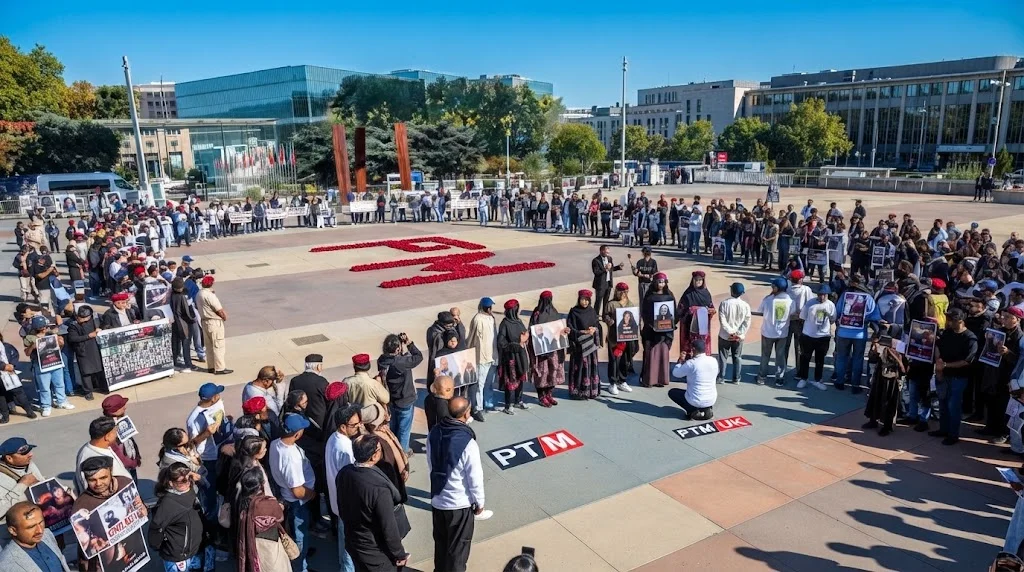
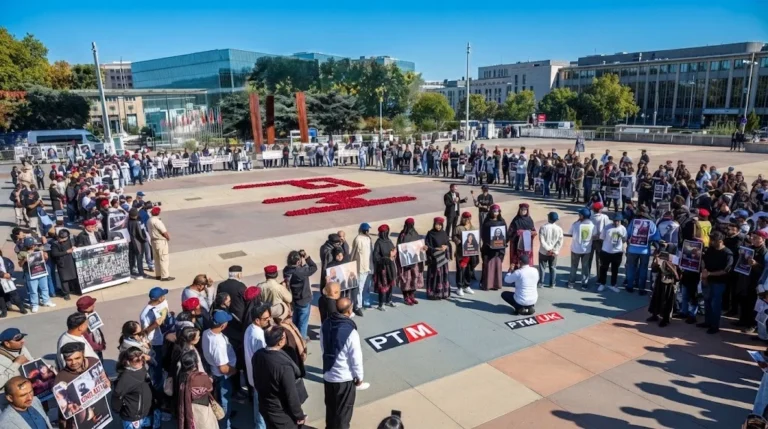
Somewhere between a hashtag and a headline, the truth gets lost. Last week, as Pakistan’s Prime Minister addressed the United Nations General Assembly in New York, Baloch and Pashtun activists held protests outside the UN complex against killings, imprisonment and forced disappearances with PTM UK’s social media arm framing the Geneva sideshow under #PashtunLongMarch2Geneva. The photographs showed small clusters of people near the Broken Chair monument. The post gathered roughly 1,400 views. That is not a movement. That is a media operation, run by a proscribed organisation, scripted for foreign consumption.
Let us be precise about what PTM is in September 2026. The Peshawar High Court dismissed constitutional petitions filed by PTM’s chief Manzoor Pashteen and others against the ban imposed on the movement, issuing a detailed 62 page judgment. The court held that the ban on PTM had been approved by the federal cabinet in accordance with the law and prescribed procedure. This is not an allegation. This is a judicial ruling, from Pakistan’s own courts, on the record.
PTM is not a silenced civil society group staging a brave protest. It is a proscribed organisation conducting international lobbying while domestic law bars it from operating at home.
The Geneva event fits a well worn PTM playbook. The group has repeatedly taken its campaign to international forums, choosing symbolic backdrops the Broken Chair, the UN complex, Western university halls to project an image of legitimacy before foreign audiences unfamiliar with the documented record. What that record shows is considerably more troubling than the placards suggest.
Noor Wali Mehsud, the Emir of TTP, has written a book titled “Inqilab e Mehsud,” in which he pays reverence to Manzoor Pashteen and describes how PTM has been a force multiplier for the TTP. Read that again. Noor Wali Mehsud has positioned himself as an ideologue within Pakistan’s militant landscape, and this is the individual who chose to single out PTM’s leadership for public praise. When the chief of a terrorist organisation that has killed thousands of Pakistani civilians among them countless Pashtuns openly endorses a movement’s value to his cause, every serious observer is obligated to ask why. PTM has never answered that question clearly.
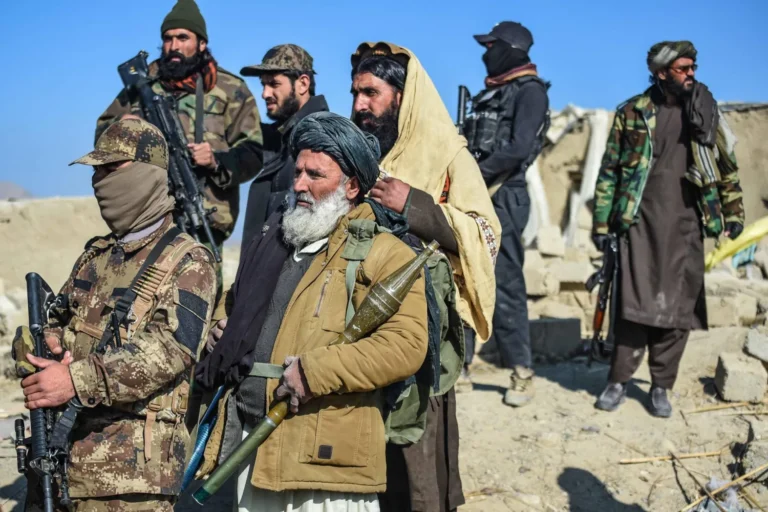
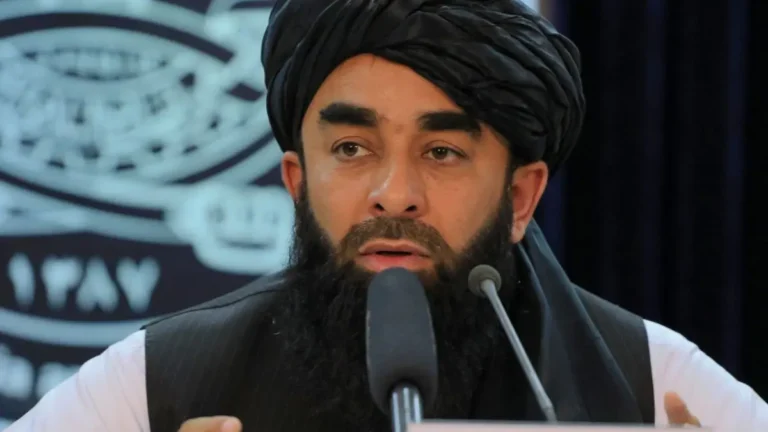
Khalid Zadran, the Taliban appointed spokesperson for Kabul’s police command and author of 15 Minutes, described contacts between PTM figures and Taliban circles in his account of the movement’s activities, discussing meetings involving PTM, its support networks and the Haqqani network. These are not accusations manufactured in Rawalpindi. They come from a Taliban insider’s own account of who sat across the table.
Financial records reportedly show that PTM UK Deputy Chief Executive Shahid Kakar received approximately £11,000 from an Indian linked account on March 8, 2026, around the time of preparations for a London protest against Pakistan. This raises serious questions about the organisation’s repeated portrayal of its overseas demonstrations as entirely organic grassroots mobilisation. A movement that presents itself as a spontaneous expression of Pashtun sentiment but accepts coordinated foreign funding is not a grassroots movement it is a managed narrative campaign.
A decision letter reportedly issued by the University of Oxford presents a markedly different explanation for the cancellation of a PTM UK event, stating that the booking was cancelled after a formal assessment concluded there were reasonable grounds to believe the event risked glorifying or encouraging terrorism and promoting hostility against ethnic groups. PTM UK publicly attributed the postponement to “technical and logistical issues.” The gap between what Oxford reportedly recorded and what PTM told its supporters is not a minor inconsistency. It is a window into how the organisation manages its public image tell supporters one story, hope the documentation stays buried. The same technique was on display in Geneva.
Meanwhile, the protest coinciding with a UN session was joined by Afghan Pashtuns, presenting themselves as part of PTM’s cause on the international stage. This is not Pakistani Pashtun representation. It is foreign participation dressed in the language of a Pakistani movement, which is precisely what critics of PTM have consistently highlighted.
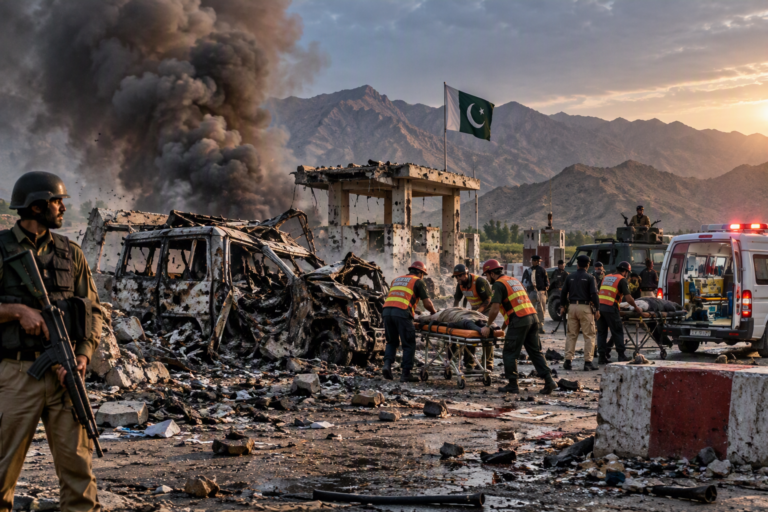
None of this diminishes the real hardships that ordinary Pashtun families in Khyber Pakhtunkhwa have endured over decades. The khawarij have murdered tribal elders, blown up markets, assassinated police officers, and driven communities from their homes. Pakistan’s security forces have paid an enormous price in blood to push back against this violence and those Pashtun soldiers and officers who died defending their country deserve every honour. The communities they protected are the same communities PTM claims to speak for from safe addresses in European cities.
That contrast is the defining reality of the Geneva protest. A proscribed organisation, legally barred by Pakistan’s courts, coordinated a demonstration timed to embarrass the Pakistani Prime Minister on the world stage, with participation from foreign nationals and funding that reportedly traces to foreign accounts.
Whatever human rights grievances individual demonstrators may carry in their hearts, the infrastructure running this operation is not a rights movement. It is a political campaign against Pakistan conducted from abroad.
The international community is more sophisticated than PTM’s handlers seem to believe. The government’s counsel alleged PTM leaders were involved in anti state activities through hate speeches and that allegation was examined by a Pakistani court that upheld the ban. Foreign forums cannot overturn that finding, and foreign photographs cannot erase it.
Pashtuns deserve justice, development and peace. They will find it through Pakistan’s institutions not through a proscribed organisation’s hashtag campaign outside the United Nations.

