
GILGIT BALTISTAN’S BORDER ECONOMY AND PROTEST POLITICS
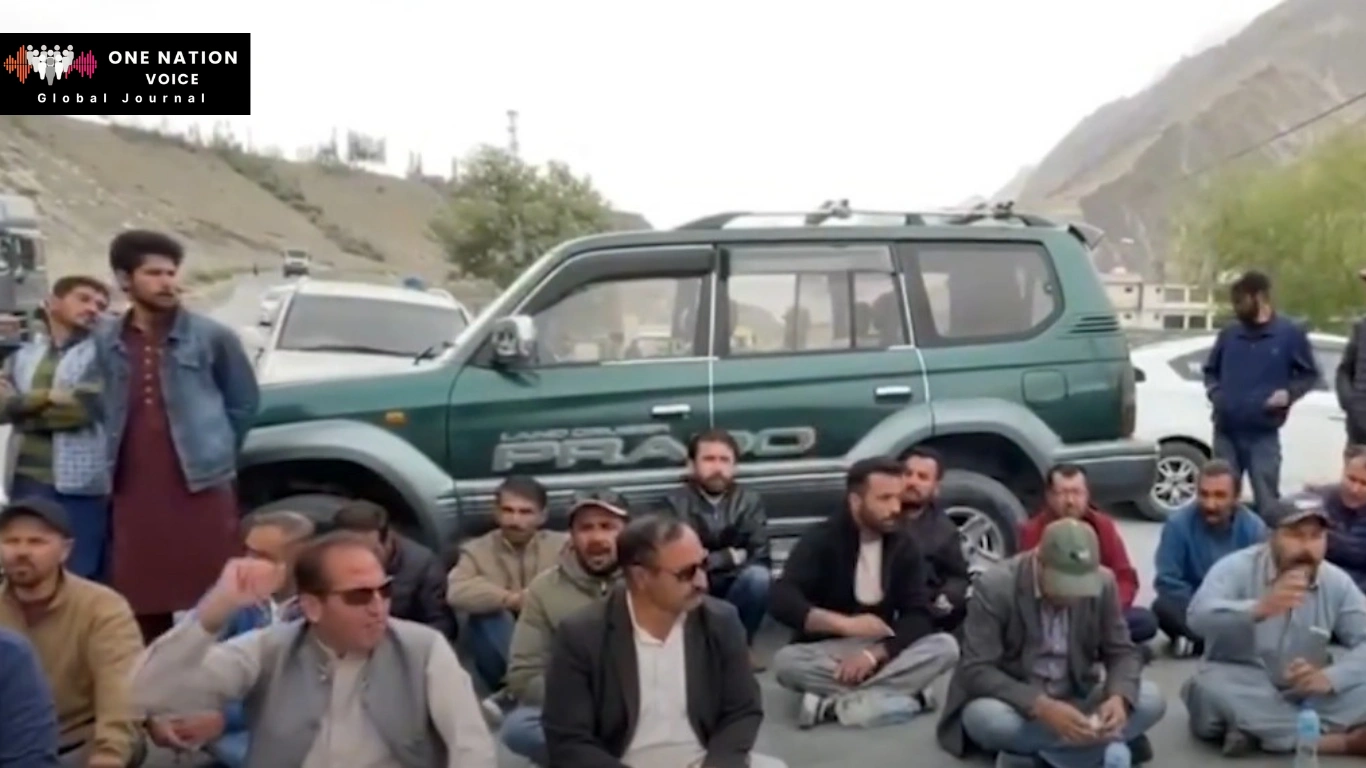
GILGIT BALTISTAN’S BORDER ECONOMY AND PROTEST POLITICS
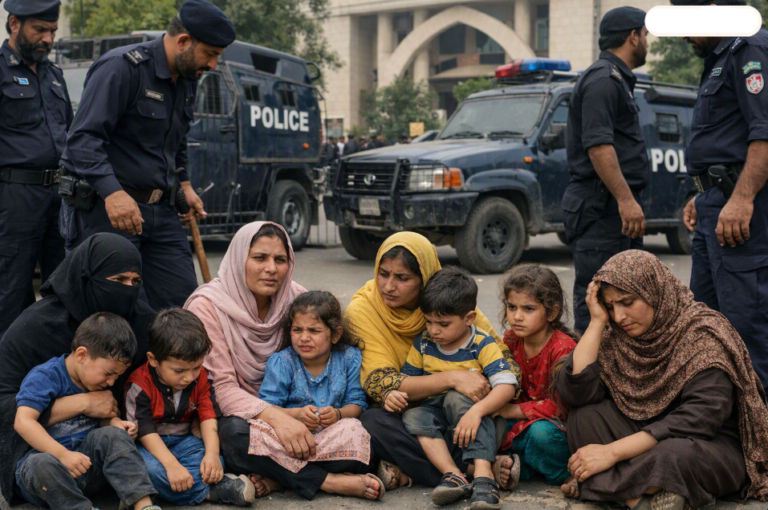
Gilgit-Baltistan is a geographical place of extraordinary beauty and strategic importance, at the crossroad of geography, culture and business. Its inhabitants have been relying on cross border commerce, tourism and farming to earn their living since long. However in the recent times, this delicate equilibrium has been upset by the emergence of protest politics. With such a high economic reliance on each other, a few days of panic can upset trade routes, hike prices and hundreds of people can go without a job.
When Revolts bring the Economy to a Halt
Moving forward, Gillette city is not in the sphere of such a large economy like big cities. Besides, when roads are blocked, the Karakoram Highway is also suffered which is the economic life line of the region. Due to blockage, transporters are unable to deliver goods, traders lose profit and communities get isolated.
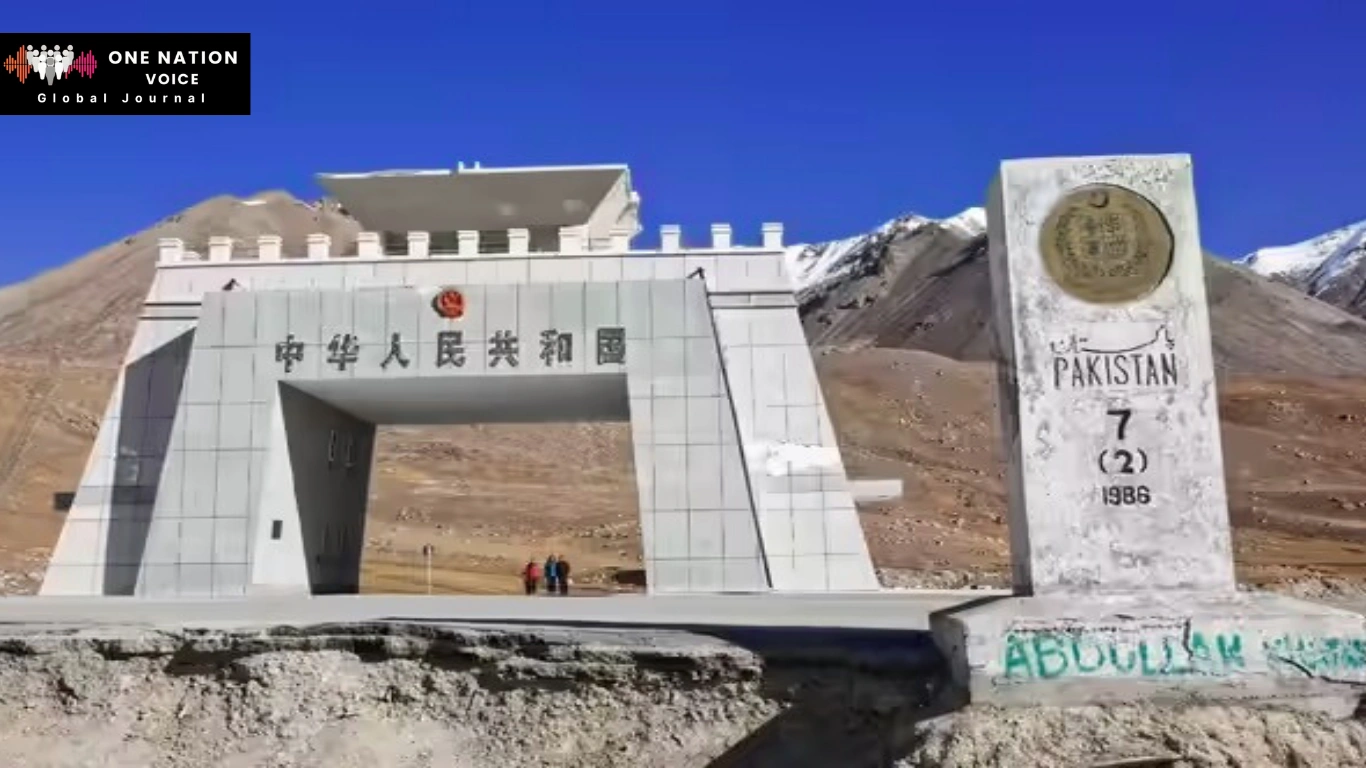
The trade across the Chinese border via the Khunjerab Pass that supports the livelihoods of thousands of families is slowed down.
The trickle-down effect is rapid including scarcity of essential items, inflation and increasing desperation of the working classes, who depend on their daily wages for livelihood.
Political Motives of Certain People and the Resultant Frustration
Moreover, although the grievances of the people may be real, be it indifference in the administration or economic disparity, there are groups that play with the grievances to get political favors. These actors breed anger and intensify frustrations not to get solutions, but to enhance their own accounts. The outcome is confrontation. In cases where protests take the place of dialogue, the discourse is no longer concerned with answering, but with blaming. Thus the state institutions are targeted, discredited, and mistrust and alienation are further increased.
The Result of Disruption, Loss of Jobs and Instability
Further, each closure or blockade in Gilgit-Baltistan comes at a price, which the common citizen has to bear. Small businesses are deprived of their clientele, transporters of revenue, and the tourism which is already weak also has to bear the brunt. The unemployment rate among the youth increases as the economy declines. The savings have been slowly destroyed by inflation, and the prices of simple items have increased.
The citizens thus suffer the cost of a political melodrama that brings no long term good.
Sit-ins and shutdowns may be in the news, but it is at the cost of long term stability, and it inhibits growth opportunities for the region.
Dialogue Over Disruption
Additionally, leadership is not about how big crowds can be gathered by them in the streets, but how these leaders can arrive at solutions on the table. The problems afflicting Gilgit-Baltistan, whether it is reduced autonomy, inadequate development, or inadequate infrastructure need serious attention and collaboration, between local leaders and the federal government. Positive discussion, policy change, and accountable administration provide actual solutions. However, protest politics merely postpone the development process, and increase the division.
Peace and Progress, The People’s Choice
On top of that, irrespective of the outcry of dissent, majority of the people in Gilgit-Baltistan cherish peace more than they appreciate politics. They have always been restrained, and they like order and stability as opposed to chaos. Their dreams are not elaborate, but are specific. They include economic prospects, education, and peaceful neighborhood to bring up their families. Anti-state accounts and street blockades do not serve these purposes, but they jeopardize them. The real strength of the region is that it should be united, strong, and progressive.
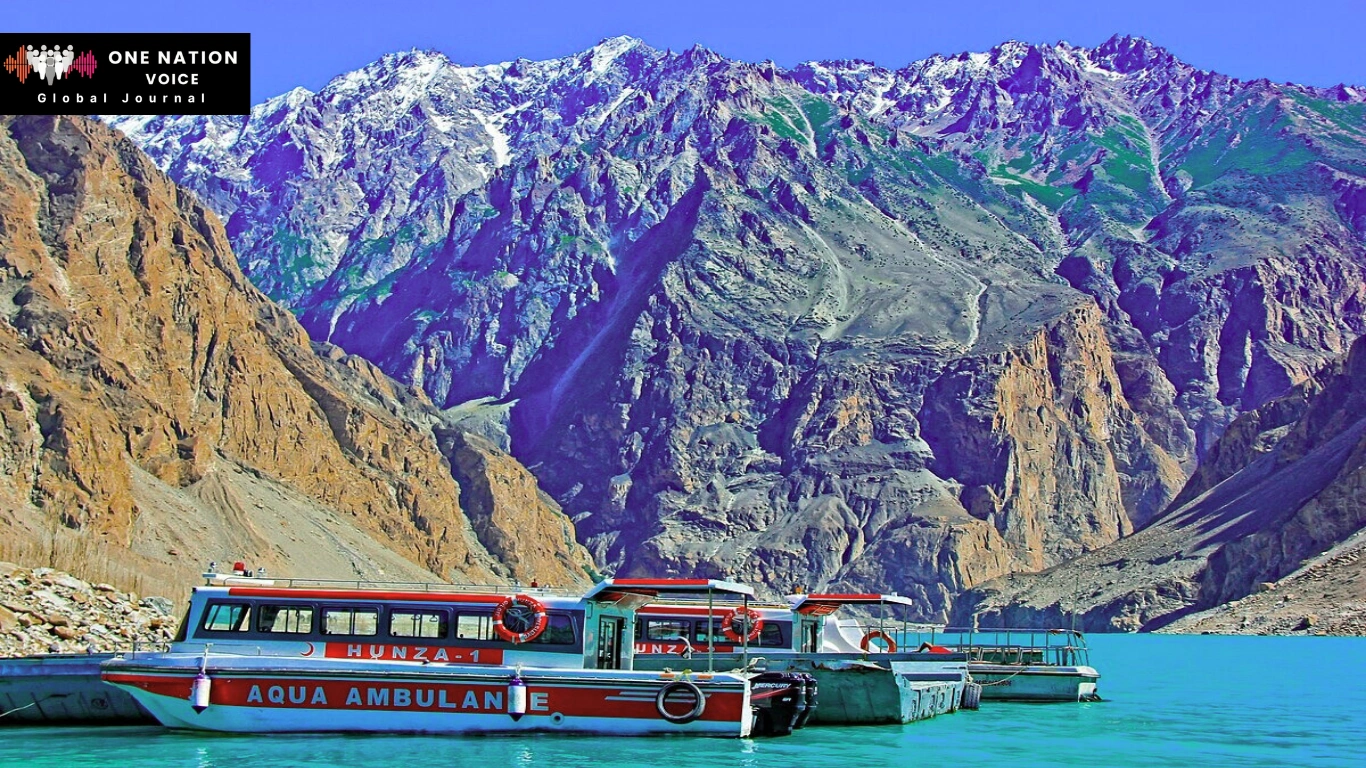
Towards a More Stable Future
In a nutshell, the moral of the story is that instability is not the plan. Gilgit-Baltistan needs to be taken forward through dialogue, investment, and inclusion, and not disruption. The border economy is too important, and the people are too industrious to become part of the political games. Thus, protest politics should be replaced by collaboration and peace, in order to make this region able to realize its potential, as a trade and cultural center. Hence, stability does not mean creating chaos for political gains, but it is the ground on which real growth is rooted.
The views and opinions expressed in this article are exclusively those of the author and do not reflect the official stance, policies, or perspectives of the Platform.

