



The Dangers of Illegal “Dunki” Migration from Pakistan
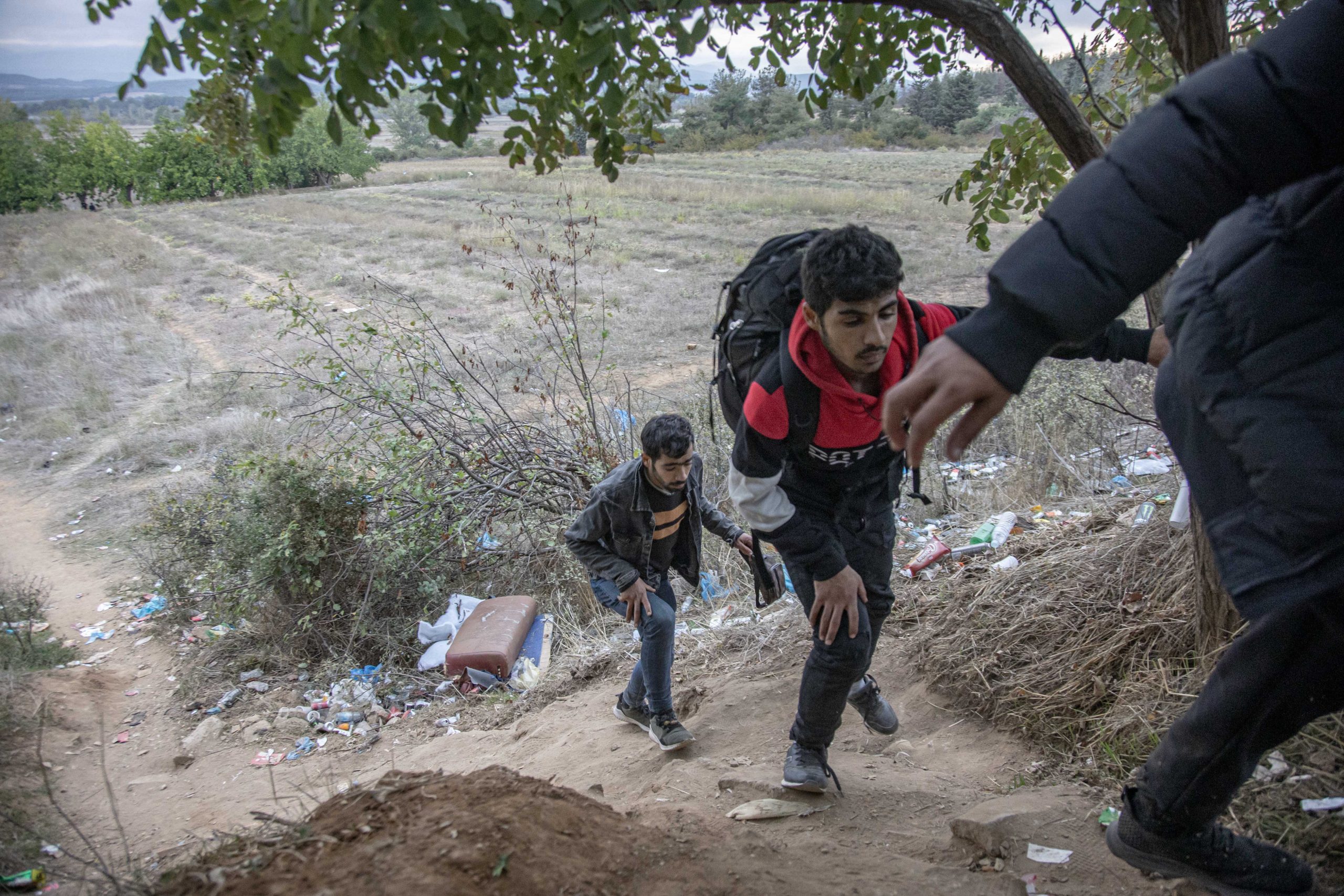
Illegal “Dunki” migration is often sold to desperate families as a shortcut to prosperity, dignity and a better future abroad. In reality, it is one of the most dangerous traps facing vulnerable Pakistanis today. Driven by unemployment, poverty, social pressure and the dream of earning in Europe, many young Pakistanis hand over their life savings to organised smuggling networks. These networks charge between Rs 3–6 million per person, promising safe passage through Libya, Iran, Turkiye or other routes. But what they actually deliver is betrayal, captivity, torture, debt, deportation and, too often, death.
The tragedy of irregular migration lies in the fact that it exploits hope. Families sell land, borrow from relatives, mortgage jewellery and exhaust savings because they are told that Europe is only a few weeks away. Smuggling agents present themselves as facilitators, but they are part of criminal chains that treat human beings as cargo. Once migrants leave Pakistan through illegal channels, they lose control over their own lives. Their documents, phones and money are often seized. They are moved from one criminal group to another, held in private prisons, beaten, starved and forced to call home for ransom.
The journey that begins as a search for opportunity soon becomes a nightmare for the migrant and the family left behind
Libya has become one of the most dangerous points on this route. Pakistani migrants attempting to reach Europe through the Central Mediterranean often end up in detention centres or illegal compounds controlled by militias and trafficking networks. Survivors have reported torture, electric shocks, sexual violence, forced labour, starvation and severe overcrowding. Many are denied food, water, medical care and basic human dignity. Families in Pakistan receive terrifying calls demanding more money for release, even after already paying millions to agents. In some cases, migrants remain trapped for months or years before being freed, intercepted or repatriated.
The sea crossing from Libya to Europe is equally deadly. Migrants are packed into overcrowded, unseaworthy boats with little fuel, no safety equipment and no guarantee of survival. The 2023 Adriana shipwreck near Greece, in which around 262 Pakistanis died, remains a painful reminder of the human cost of this route. In 2025, Mediterranean incidents claimed at least 83 more Pakistani lives. These are not isolated accidents; they are predictable consequences of criminal smuggling networks placing profit above human life.
For every rare story of arrival, there are countless stories of drowning, disappearance, detention and deportation
The repatriation of Pakistani nationals from Libya in 2026 further exposes the truth behind the “Dunki” illusion. Around 206–207 Pakistanis were brought home through two government-facilitated operations. On 3 February 2026, 30 migrants were repatriated from the Tajoura Detention Centre in Tripoli through the joint efforts of the Embassy of Pakistan and the International Organization for Migration. A second operation on 24–25 May 2026 brought back about 177 migrants from detention centres in Benghazi and Tripoli through a special flight from Mitiga International Airport. Most had tried to reach Europe illegally before being intercepted by Libyan authorities. Their return should serve as a national warning: illegal migration is not a pathway to success; it is a criminal trap.
The damage does not end when migrants return. Many come back with injuries, infections, malnutrition and deep psychological trauma. Survivors of captivity may suffer from depression, anxiety and lifelong post-traumatic stress. Families are left burdened with debt, shame and emotional pain. Returnees may also face investigations, legal consequences and social stigma, while their chances of future legal migration can be affected. At the national level, illegal migration strengthens transnational organised crime, including networks linked to financial crime, narcotics trafficking and other security threats. It also harms Pakistan’s international reputation and creates unnecessary diplomatic challenges.
Pakistan’s response, however, has become stronger and more coordinated. The Federal Investigation Agency has taken major steps to curb human smuggling and irregular migration. These include Risk Analysis and Centralized Monitoring Units, Second Line Control and biometric verification at airports, notification of official western border crossing points, overseas Link Offices, integration of case management systems with national and international databases, and improved training with international partners.
These reforms show that Pakistan is no longer treating illegal migration as a minor border issue, but as a serious organised crime challenge
The impact is visible. Strengthened enforcement contributed to a reported 47 percent decline in illegal migration to Europe in 2025. Authorities arrested around 1,770 human smugglers, while interceptions rose sharply from 628 in 2024 to 2,662 in 2025. Pakistan’s measures have also received international recognition, with the European Union describing the country’s efforts as exemplary and expressing willingness to deepen cooperation. Victim Reception Centres, including the facility at Taftan, assisted more than 13,000 returnees in 2025, while Airport Reception Desks in Lahore, Islamabad and Peshawar now support repatriated migrants. These actions protect citizens, disrupt smugglers and promote safer migration.
The lesson for Pakistanis is clear. Smuggling agents cannot be trusted. No family should sell land, take heavy loans or hand over millions to unverified middlemen for a criminal journey. Those who wish to migrate should invest in legal pathways, skills and certifications. Countries need nurses, engineers, IT professionals, technicians, caregivers and skilled workers. Legal routes such as work visas, Gulf employment schemes and skilled migration programs may take more effort, but they protect lives and dignity. Before paying any agent, citizens must verify credentials through official channels such as the FIA, Pakistan Overseas Employment Corporation, Ministry of Foreign Affairs and Pakistani embassies.
Print media also has a vital role to play. It must expose the tactics of human smugglers, report survivor stories with sensitivity, highlight legal migration options and support public awareness campaigns. The message must reach every village, town and household: “Dunki” is not courage, adventure or opportunity. It is exploitation. A single misguided decision can destroy an entire family. Pakistan’s youth deserve safe futures, not secret routes controlled by criminals. The real path forward is skill development, lawful migration, public vigilance and firm national action against the mafias that profit from human desperation.

