
Madrassah Curriculum Reform
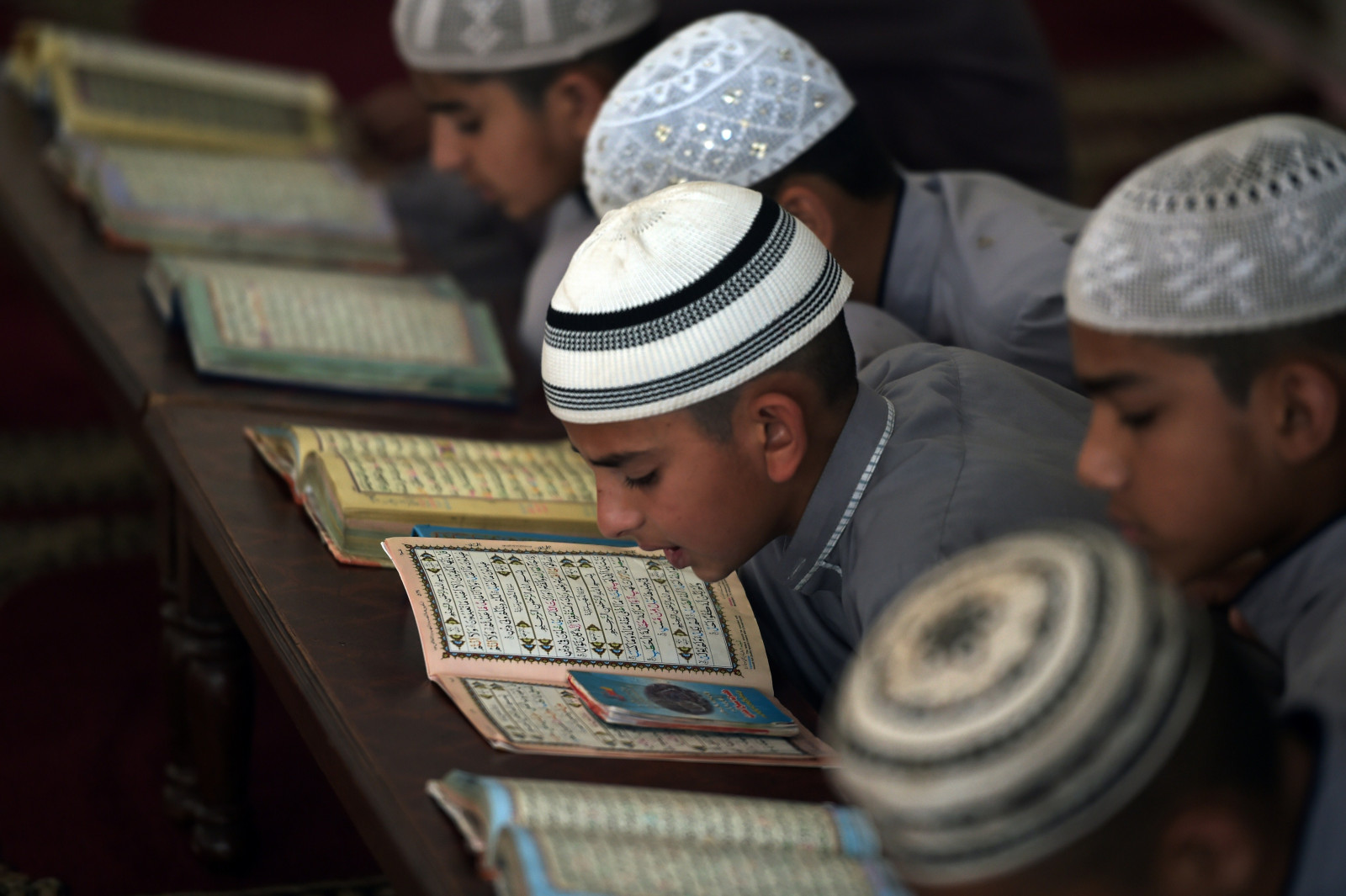
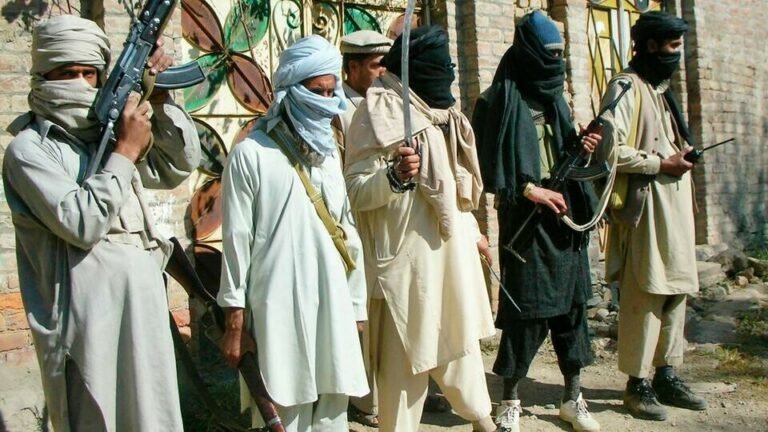
Madaris have long been respected institutions of Muslim society. For centuries, they preserved Quranic learning, trained scholars, served communities and educated the poor. In Pakistan, thousands of madaris still provide religious education and social support where state capacity is limited. Yet this role also makes them a target for extremist networks that misuse religious language for takfir, isolation and unlawful militancy. Madrassah curriculum reform must not be framed as an attack on religion. Properly understood, it is a defense of authentic scholarship against distortion.
The starting point for reform should be the Quranic identity of Muslims as “Ummatan Wasatan,” a balanced community, as stated in Al Baqarah 2:143. Balance is not weakness. It is a Quranic virtue that joins belief with justice, mercy, wisdom and responsibility. Extremists often present rigidity as piety and harshness as courage. A serious curriculum must challenge this falsehood directly. Students should be trained to recognize ghuluw, reject careless takfir and understand that knowledge is meant to produce character, humility and service, not arrogance or violence.
Islamic tradition gives the strongest answer to extremism. The Quran warns, “Do not exceed limits in your religion” in An Nisa 4:171, and the Prophet ﷺ said, “Beware of exaggeration in religion,” as recorded in Sunan Ibn Majah 3029. These teachings dismantle the extremist claim that the most severe opinion is always the most Islamic one.
A reformed curriculum should teach that absolutism, religious overclaiming and spiritual aggression do not purify communities. They fracture them and open the door to injustice in the name of faith
One dangerous habit of extremist propaganda is removing verses and legal concepts from scholarly context. A slogan is not a fatwa, and emotion is not evidence. Students in madaris must study usul al fiqh, causes of revelation, maqasid al Shariah, rules of interpretation and the difference between private moral concern and public legal authority. Allah commands in Al Isra 17:36, “Do not pursue what you have no knowledge of.” This command is vital in an age of edited clips and anonymous recruiters who dress anger in religious vocabulary. Authentic scholarship protects youth from slogans masquerading as sacred law.
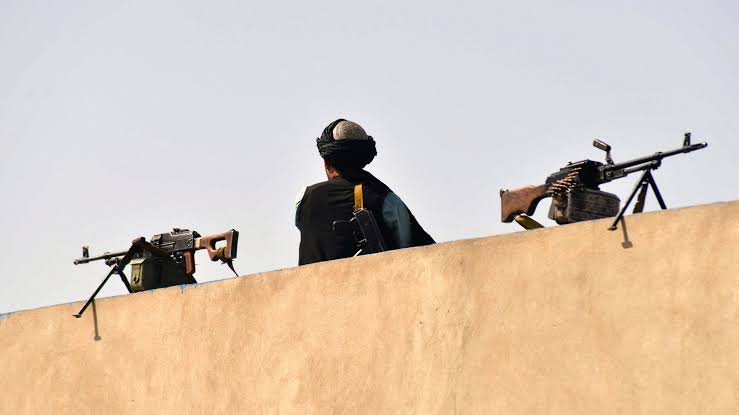
The question of jihad is where clarity becomes most urgent. Jihad cannot be declared by private groups, armed factions, recruiters or digital propagandists. Pakistan’s consensus religious narrative has affirmed that armed struggle against the state is forbidden. This principle must be taught clearly, not left to rumor. The Quran commands obedience within lawful civic order in An Nisa 4:59, and Islamic jurisprudence has always treated questions of force, authority and public welfare with gravity.
Madrassah education should explain that legitimate authority, ethical restraint and protection of society govern such matters, not rage, revenge or secret networks
Takfir is another extremist weapon that demands direct curricular treatment. The Quran instructs believers in An Nisa 4:94 not to call one who offers peace a non-believer. This warning should be central to contemporary religious education in Pakistan, where sectarian rhetoric has too often prepared the ground for bloodshed. Students must be taught caution, humility and due process in matters of creed. Excommunication is not a debating tactic. Once a person or community is declared outside Islam without right, the path is opened to hatred, murder, rebellion and social collapse.
Balanced jurisprudence also requires adab al ikhtilaf, the ethics of disagreement. Muslim scholars differed across schools, regions and centuries, but their differences did not require hatred. Allah commands calling to His way with wisdom and beautiful preaching in An Nahl 16:125. This means evidence must be joined with manners, and conviction with humility. A curriculum that teaches comparative fiqh respectfully will help students understand that legitimate diversity is not betrayal.
Extremism grows when one narrow reading is presented as the whole religion and other Muslims are treated as enemies
The Prophetic method was not built on coercive intimidation. The Prophet ﷺ said, “Religion is ease,” as recorded in Sahih Bukhari 39, and instructed, “Make things easy and do not make them difficult for people,” as recorded in Sahih Bukhari 69. Extremists weaponize hardship because hardship allows them to control minds and glorify suffering detached from wisdom. Madaris should teach facilitation, mercy, public benefit and the sanctity of life, including the Quranic principle in Al Maidah 5:32. Such teaching does not weaken Shariah. It reveals Shariah as guidance, protection and moral order.
Reform must strengthen, not secularize, madaris. Quranic learning, hadith sciences, fiqh, Arabic and spirituality should remain at the heart of religious education. But they should be joined with Pakistan Studies, civic literacy, digital ethics, critical reasoning and constitutional responsibility. Students who understand religious and civic duty are harder for extremists to manipulate. They can become imams, teachers, counselors and leaders who heal rather than divide society. Pakistan needs madaris as partners in peace. By prioritizing balanced jurisprudence, sincere counsel and national cohesion, they can defeat extremist justifications without compromising Islamic identity.