




Harnessing Pakistan’s Demographic Dividend
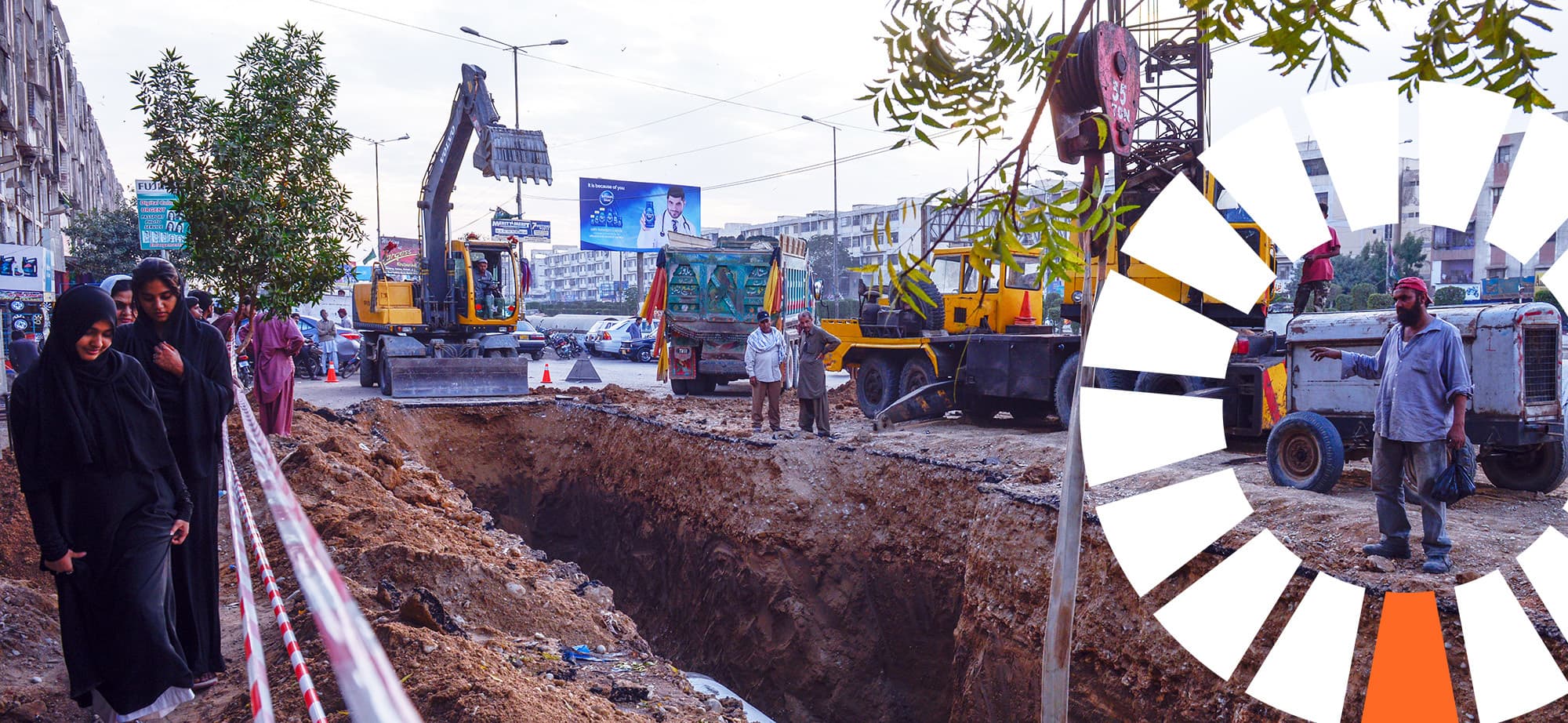
Pakistan stands at a decisive moment. For decades, population growth was treated as a burden on jobs, schools, hospitals, and public finances. Today, however, that population can become Pakistan’s greatest asset. With more than 255 million people, nearly 64 percent of them under 30, and 26 percent in the 15–29 youth cohort, Pakistan is one of the world’s youngest countries. Its working-age population, around 59 to 60 percent of the total, gives the country a favourable dependency ratio and a rare opening until around 2055. The opportunity is enormous, but not automatic.
A demographic dividend becomes real only when young people are educated, skilled, healthy, and employed in productive work. Youth alone cannot drive growth if they remain outside quality education, trapped in informal jobs, or disconnected from modern industry. Pakistan’s challenge, therefore, is to convert numbers into capability. A young workforce can expand output, raise household incomes, increase savings, enlarge the tax base, and strengthen innovation.
But if the economy fails to absorb millions of young entrants, the same dividend can turn into frustration and social stress. The difference will be policy execution
The labour market already shows both promise and pressure. According to the Labour Force Survey 2024–25, Pakistan’s labour force exceeds 83 million people, with 77.2 million employed. Each year, another 3 to 4 million young people enter the job market. This annual inflow is a recurring test of national seriousness. The overall unemployment rate of around 7 percent may appear manageable, but youth unemployment needs sharper attention. Young people need employable skills, finance, technology exposure, and pathways into productive sectors.
The government’s target of creating 2 million new jobs during FY2026-27, after about 1.8 million employment opportunities in the previous fiscal year, is a welcome signal. Its emphasis on services, information technology, tourism, manufacturing, and small and medium enterprises is also sensible. These sectors can absorb young workers, encourage entrepreneurship, and generate value beyond traditional low-productivity employment. However, Pakistan must avoid judging success by job numbers alone. The country needs decent jobs that improve incomes, raise productivity, and give young people a stake in progress.
The Prime Minister’s Youth Programme has become an important vehicle for this transformation. More than Rs58 billion in concessional loans has been disbursed to over 114,000 beneficiaries, helping young Pakistanis establish businesses and generate employment. This shift from job seekers to job creators is essential. The public sector cannot absorb every graduate, nor can traditional industries alone meet the aspirations of a young, connected population.
When youth are supported with credit, training, mentoring, and market access, a small enterprise can become a source of income and local employment
Skills development must remain at the centre of the strategy. More than 90,000 young people have received technical and vocational training, while laptop schemes, digital innovation hubs, and platforms such as the Digital Youth Hub are expanding access to learning, scholarships, jobs, and business opportunities. In a changing global economy, Pakistan cannot rely on low wages as its competitive advantage. It must build capabilities in freelancing, coding, artificial intelligence, e-commerce, renewable energy, manufacturing, and export-oriented services. The future will reward countries that prepare their youth for technology and lifelong learning.
Pakistan’s youth dividend also extends beyond national borders. The facilitation of 762,499 overseas employment opportunities in 2025 is significant for remittances, international exposure, and skills acquisition. Overseas employment should be treated not only as migration, but as a skills circulation strategy. Workers who gain experience abroad can later invest, mentor, and build enterprises at home.
Yet the dividend will remain incomplete without structural reform. Skills mismatches, weak education outcomes, poor nutrition, low female labour force participation, and informal work continue to limit productivity. No country can unlock its full potential while so much female talent remains outside the economy. Safe transport, childcare, flexible work, digital access, and women’s entrepreneurship should be treated as core economic policies, not welfare add-ons.
Labour force participation has risen from about 44.9 percent to 46.3 percent, but Pakistan needs faster progress
Provincial governments are equally important. Internships, TVET programmes, entrepreneurship schemes, and industry partnerships must reflect local realities in agriculture, textiles, tourism, logistics, information technology, manufacturing, and the green economy. Climate-smart agriculture, solar installation, energy efficiency, recycling, water management, and eco-tourism can create jobs while strengthening resilience.
Pakistan’s greatest natural resource is its youth. They are present in classrooms, workshops, farms, factories, startups, universities, and digital marketplaces. If they are educated, skilled, financed, and included, they can become the engine of sustainable economic growth. Investing in more than 160 million young citizens means investing in competitiveness, stability, and prosperity for decades. Pakistan’s demographic dividend is not just a population advantage; it is a strategic asset. Harnessed wisely, it can define the country’s economic trajectory until 2055 and beyond.

