

Taliban-India Security Linkages
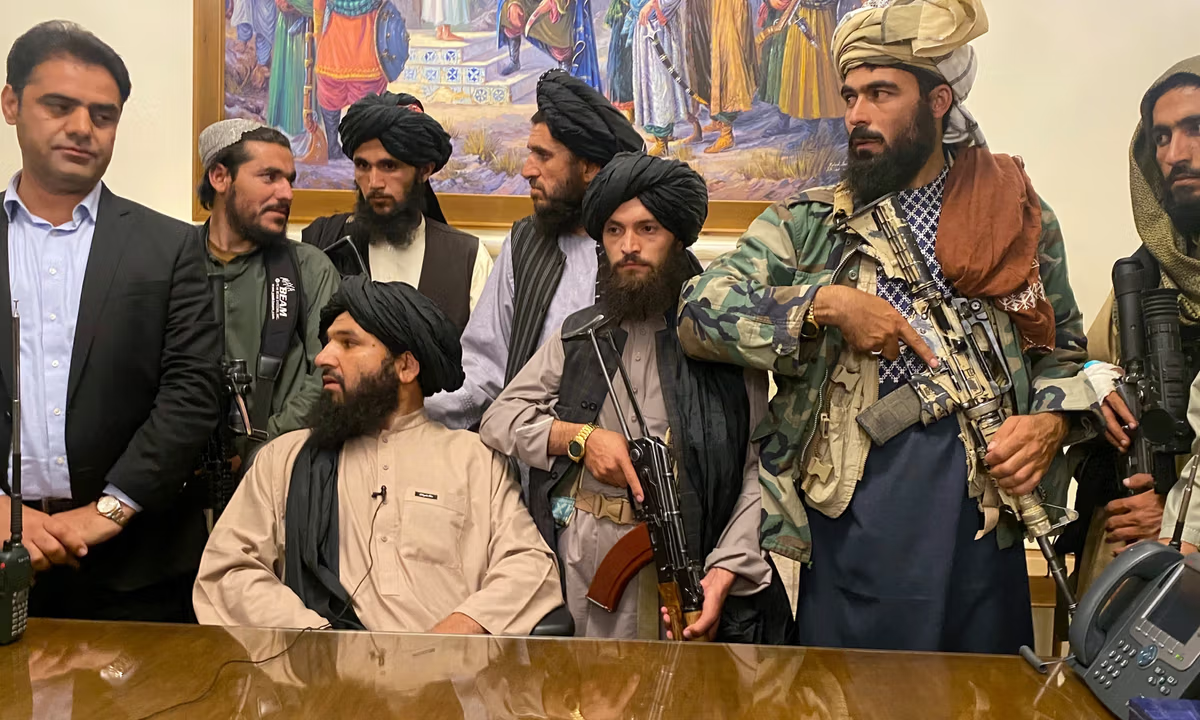
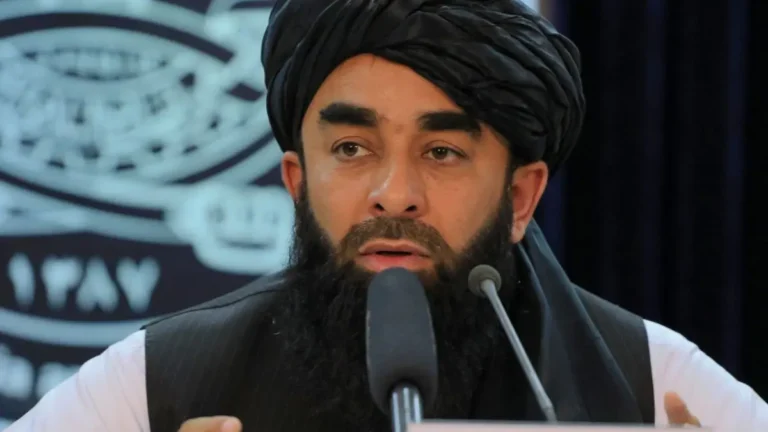
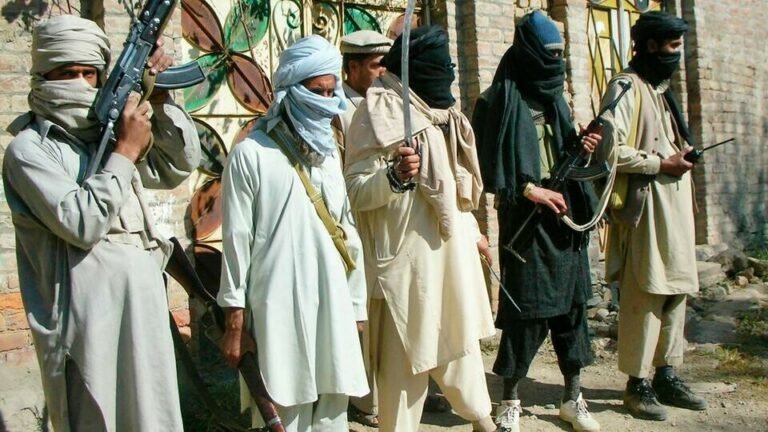
The reported transfer of a Taliban member injured during Pakistan-Afghanistan border clashes to New Delhi for medical treatment marks a development that cannot be viewed in isolation. While the episode may be presented as a humanitarian gesture, its political and security implications are far deeper. In a region where symbolism often carries strategic meaning, the alleged decision by senior Taliban leadership to send an injured combatant to India reflects an emerging pattern of functional engagement between New Delhi and elements within the Taliban hierarchy. This is not merely a medical case; it is a signal of growing trust, access and communication between two actors whose relationship has historically been shaped by shifting regional calculations.
India’s engagement with Afghanistan has traditionally been framed through development assistance, diplomatic outreach and soft-power investments. However, the evolving situation after the Taliban’s return to power has created new openings. New Delhi, despite its earlier reservations about the Taliban, has gradually adjusted its approach by maintaining contacts, reopening channels and seeking relevance in Afghanistan’s changing power structure. The reported treatment of a Taliban combatant in India suggests that this engagement may now be moving beyond conventional diplomacy into more sensitive domains of security-linked interaction.
Even when such contacts are justified on humanitarian grounds, they can serve as confidence-building measures that deepen operational familiarity between state and non-state actors
For Pakistan, this development raises legitimate concerns. Afghanistan remains central to Pakistan’s western security environment, and any external actor expanding influence there must be assessed carefully. India’s historical interest in maintaining strategic space in Afghanistan has long been viewed in Islamabad through the lens of regional competition. If Taliban-India contacts are now extending into security-related channels, even indirectly, Pakistan will have to evaluate the implications for border management, militant networks, intelligence activity and the broader balance of influence in Kabul. The issue is not whether India has the right to engage Afghanistan; the issue is whether such engagement contributes to regional stability or intensifies existing suspicions.
The Taliban’s own motivations also deserve attention. Since taking control of Kabul, the Taliban leadership has sought international legitimacy, economic relief and diplomatic diversification. Engagement with India offers the Taliban an opportunity to reduce dependence on any single regional actor and project a more pragmatic foreign policy posture. By allowing or encouraging contacts with New Delhi, the Taliban may be attempting to demonstrate that it can deal with multiple powers while extracting political and practical benefits. However, this balancing act carries risks.
If Taliban factions begin cultivating separate external linkages, Afghanistan’s already fragile internal power structure could become more vulnerable to foreign influence and factional competition
Security interactions rarely emerge suddenly. They are often built through small, deniable or low-visibility steps. Medical treatment, logistical facilitation, intelligence exchanges, border-related messaging and quiet diplomatic meetings can all become part of a broader architecture of trust. This is why the reported New Delhi treatment episode matters. It may not by itself prove a formal security partnership, but it does indicate a level of access that warrants close attention. In regional politics, such episodes often serve as early indicators of future alignments. What begins as humanitarian coordination can gradually evolve into strategic communication and, over time, more structured cooperation.
India’s expanding footprint in Afghanistan must also be understood within the wider context of geopolitical competition. Afghanistan is no longer merely a diplomatic arena; it is a space where influence is contested through intelligence channels, economic assistance, humanitarian outreach, media narratives and security relationships. New Delhi has strong incentives to maintain a role in Afghanistan, particularly given its rivalry with Pakistan and its concerns about extremist threats. At the same time, Pakistan cannot ignore the possibility that India may use its Afghan engagement to gain strategic leverage along Pakistan’s western flank. This perception, whether accepted by others or not, is deeply embedded in Pakistan’s security thinking and will shape Islamabad’s response.
The challenge for regional stability is that mistrust can quickly become self-reinforcing. If Pakistan views Taliban-India linkages as threatening, it may adjust its own posture toward Kabul. If the Taliban sees Pakistan’s concerns as pressure, it may further diversify its external ties. If India interprets Pakistan’s objections as an attempt to monopolize influence in Afghanistan, it may expand its engagement even more assertively. Such dynamics can produce a cycle in which every move by one actor is interpreted as hostile by another.
In a region already burdened by border tensions, militancy and unresolved disputes, this is a dangerous trajectory
A sober assessment is therefore essential. Pakistan should not overreact to every Taliban-India contact, but neither should it dismiss emerging patterns as routine diplomacy. The key is sustained monitoring, careful intelligence assessment and proactive regional engagement. Islamabad must strengthen its own channels with Kabul, address border security concerns with clarity and avoid leaving diplomatic space uncontested. At the same time, it should communicate its red lines firmly but responsibly, emphasizing that Afghanistan must not become a platform for pressure against Pakistan’s national security interests.
The reported treatment of a Taliban combatant in New Delhi illustrates how geopolitical competition is increasingly moving beyond formal diplomacy into security, intelligence and influence domains. The development may appear limited, but its significance lies in what it reveals about evolving trust and strategic experimentation between the Taliban and India. For Pakistan, the lesson is clear: emerging India–Taliban linkages must be watched carefully, assessed objectively and addressed through a combination of diplomacy, security preparedness and regional strategy. Afghanistan’s future alignments will have direct consequences for regional stability, and Pakistan cannot afford strategic complacency on its western front.

