
Kandahar’s Iron Grip: How Ethnic Exclusion Is Eating Afghanistan’s Taliban From Within
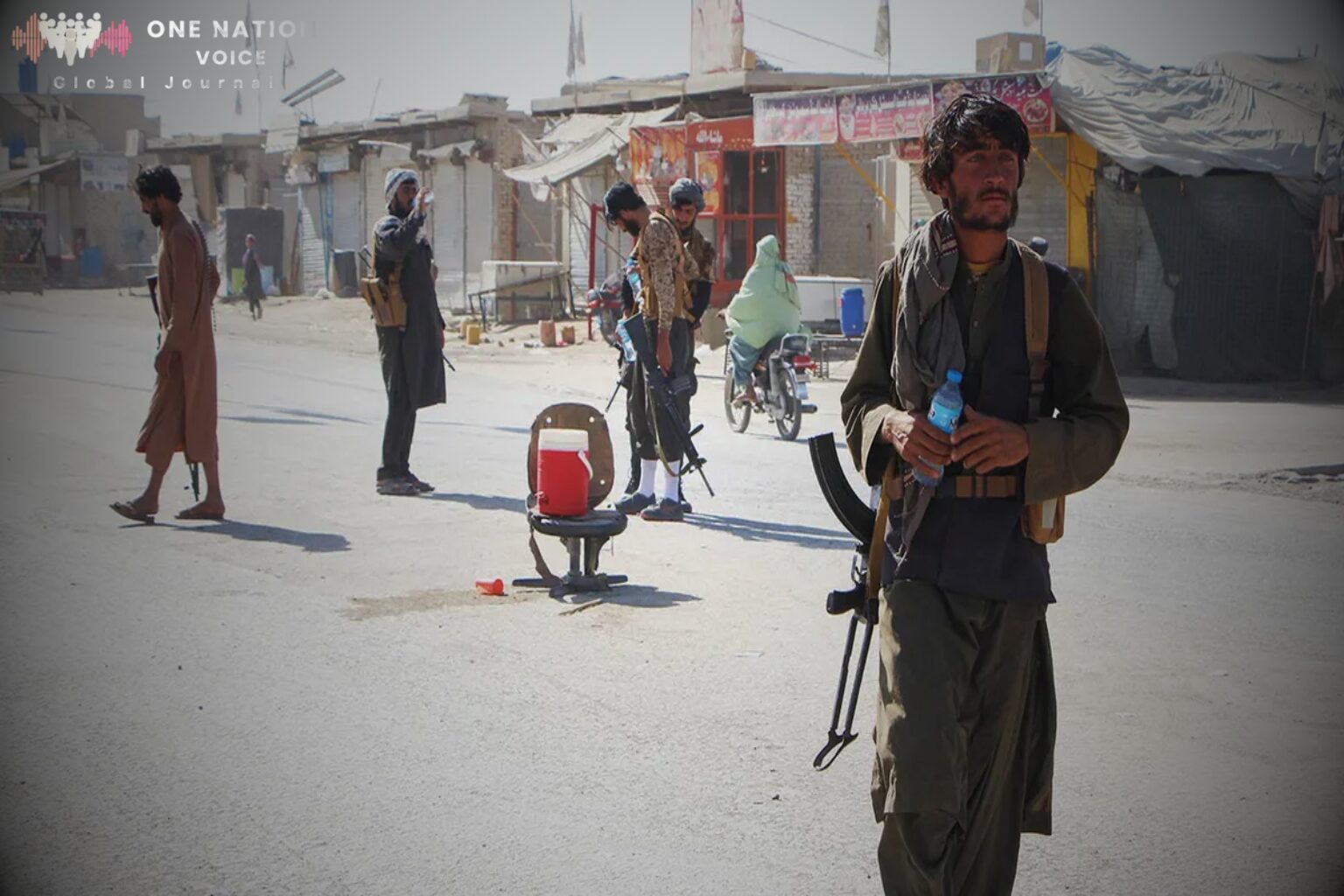
Five years after seizing Kabul, the Taliban still markets itself to the world as a national government representing all Afghans. The numbers tell a different story, one of a narrow Kandahari Pashtun elite tightening its hold on power while methodically dismantling every non Pashtun center of authority that might challenge it.
The latest flashpoint is the removal of Haji Jumma Khan Fateh as deputy governor of Zabul, reportedly after he publicly claimed the loyalty of 10,000 fighters, a claim Kandahar’s leadership seems to have read not as an asset but as a threat. That single move fits a pattern that has been documented repeatedly since 2022: whenever a non Pashtun commander accumulates visible influence, the centre acts to cut him down.
The structural picture is stark. Of roughly 1,185 senior leadership positions across the Taliban’s administration, close to 90 percent are held by Pashtuns, even though Pashtuns make up somewhere between 40 and 45 percent of Afghanistan’s population. Of the 44 cabinet portfolios in the interim administration, the overwhelming majority went to Pashtun Taliban members, with only a handful spread among Tajiks, Uzbeks, Hazaras and a single Nuristani. Hazara representation, in particular, is close to non existent at senior levels, a remarkable fact given that Hazaras and Shia communities continue to face documented restrictions on religious practice and social standing under Taliban rule.
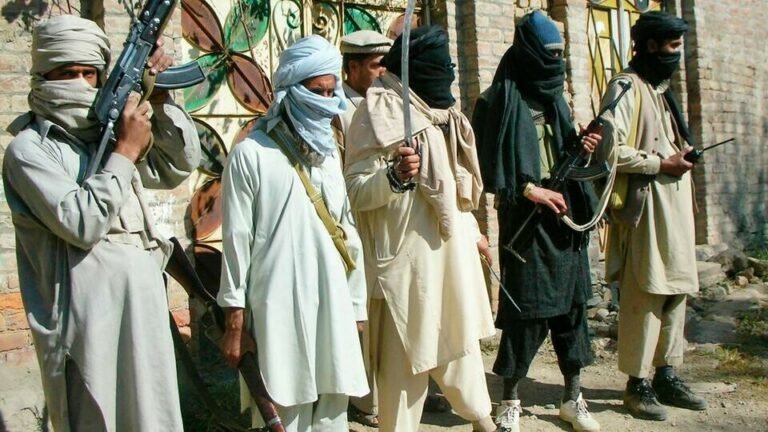
This isn’t merely underrepresentation; it’s active suppression. The roll call of purged commanders has grown steadily. Uzbek commander Makhdoom Alam Rabbani’s arrest in Faryab triggered an armed uprising in Maimana in which protesters disarmed Taliban fighters and held the city for days before a negotiated climbdown. Salahuddin Ayubi, another senior Uzbek commander, was relegated from a meaningful military post to a symbolic one, police chief of a province with no Uzbek population to speak of. Tajik commander Qari Wakil was arrested while attempting to mediate the Faryab standoff. Abdul Hamid Khorasani was sidelined into a remote posting before eventually breaking with the movement over what he described as ethnic discrimination. Prominent Tajik figures such as Ajmal Kohi and Ghulam Hussain (Hussain Jundi) have been arrested, with hundreds of fighters tied to them disarmed in the process.
The single starkest case may be that of Mawlawi Mahdi Mujahid, the only Hazara commander to hold senior rank within the Taliban’s military structure. After accusing the leadership of breaking its commitments and monopolizing power along ethnic lines, he broke away and took up arms. He was eventually captured near the Iranian border and executed, closing the book, for now, on any Hazara presence in the Taliban’s senior military leadership.
Even the appearance of Tajik representation at the top has been hollowed out. Army chief Qari Fasihuddin Fitrat remains the most visible non Pashtun figure in the security establishment, but recent reporting indicates that hundreds of officers loyal to him have been quietly removed from the Ministry of Defense. The broader pattern is corroborated by independent monitoring: a recent UN Security Council assessment found that the Taliban’s reduction of its security forces by roughly 20 percent fell disproportionately on provinces with large Tajik and Uzbek populations, Badakhshan, Kapisa, Parwan and Takhar foremost among them, even though the official explanation offered was budgetary, not ethnic. The UN report stopped short of calling the dismissals ethnically motivated, but it flagged the concentration of cuts in non Pashtun majority provinces as cause for concern, and more than 1,000 of the dismissals from Badakhshan alone reportedly involved personnel loyal to Fitrat himself.
Money is part of the story too. Badakhshan’s gold deposits, sitting atop a national mineral wealth some estimates put as high as $1 to $3 trillion, have become another front in this contest, with Kandahar based leadership working to bring lucrative mining revenue under central control at the expense of local commanders who once administered it.
None of this is happening in a vacuum. Former deputy intelligence chief Salahuddin Salar’s public accusations, favoritism, monopolization of natural resources, systemic discrimination, before his own dismissal echo what defectors and independent observers have said for years: that the gap between the Taliban’s rhetoric of national unity and its practice of tribal patronage is widening, not narrowing. The killing of Tajik leader Abdul Hamid Mujahid after he criticized the movement’s mono ethnic tendencies, and the broader UN documentation of more than twenty terrorist organizations still active inside Afghanistan operating with varying degrees of proximity to Taliban controlled territory, point to a state apparatus increasingly unable to project the unified authority it claims.
What emerges from Badakhshan to Faryab, from Panjshir to Zabul, is not an ideological project in trouble but a patronage network straining under its own design.
A governing structure built to reward tribal loyalty over competence and demographic representation cannot indefinitely contain communities that together make up a majority of the country’s population.
Afghanistan’s deepest fracture today runs less along the old fault lines of jihadist doctrine than along the older, harder fault line of who gets to rule and who is made to submit. Kandahar’s elite has spent five years answering that question in its own favor.
The cost of that answer, in fighters lost, alliances broken, and legitimacy spent, is one the Taliban regime may not be able to keep paying indefinitely.
Disclaimer:
The views and opinions expressed in this article are exclusively those of the author and do not reflect the official stance, policies, or perspectives of the Platform.

