

Governance in Khyber Pakhtunkhwa and political immaturity
Governance Crisis in Khyber Pakhtunkhwa: Political Immaturity or Institutional Clash
Khyber Pakhtunkhwa has always been a sensitive and important province. The people here have recorded long stories of patience and sacrifice. But today, when they expect governance, development, and rule of law from their elected representatives, the PTI leadership in KP is disappointing them. The government of Chief Minister Sohail Afridi assumed power in October 2025. But after seven months, if the performance of the government is reviewed, the picture is not satisfactory.
Conflict between the Chief Secretary and the Chief Minister: A Symbol and a Message
According to recently surfaced reports, during a meeting in the Chief Minister House, Chief Secretary Shahab Ali Shah was subjected to humiliation in front of attendees when he refused to implement illegal transfers and political instructions. It should be noted that Shahab Ali Shah is an experienced and senior bureaucrat who was appointed Chief Secretary of KP in February 2025. He clearly reminded the Chief Minister that he is the Chief Secretary of the province and not anyone’s personal employee.
This incident is not merely a bitterness of a meeting but a sign of a deep flaw in the structure of governance in KP.
When an elected Chief Minister does not understand the limits of his constitutional authority and publicly humiliates a competent bureaucrat, then the question arises whether this government respects democratic and constitutional values.
Official Dignity and Hospitality: Visit of Prince Rahim Al Hussaini Aga Khan
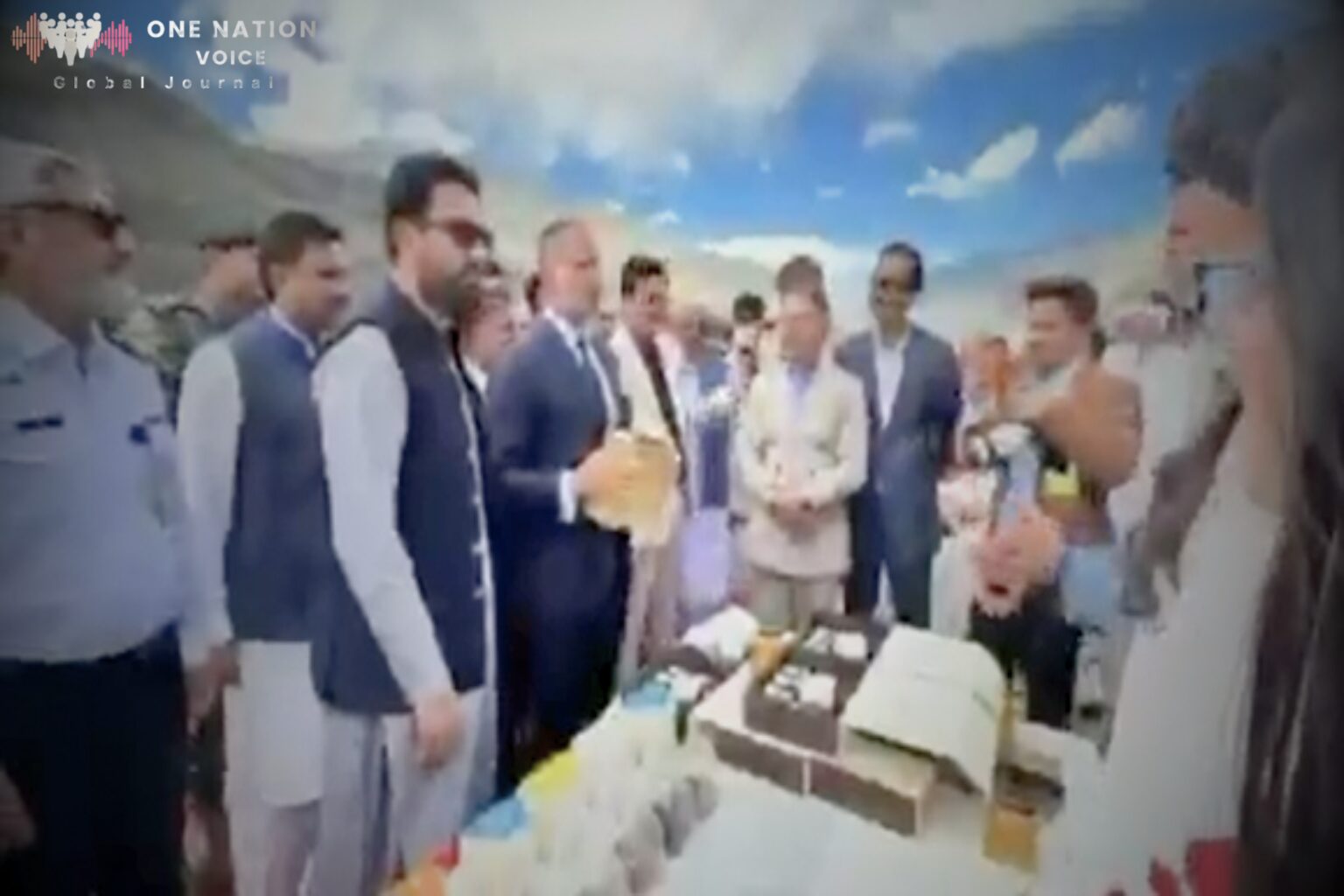
On 25 May 2026, Prince Rahim Al Hussaini Aga Khan, the fiftieth Imam of Ismaili Muslims, visited Khyber Pakhtunkhwa. This was his first visit to Pakistan since he was nominated as the spiritual leader of the Ismaili community. At Lowari Chitral Airport, Chief Minister Sohail Afridi and Governor Faisal Karim Kundi welcomed him. In the meeting, the province’s development needs, investment opportunities, minerals, tourism, and the establishment of Aga Khan University and hospital in Peshawar were discussed and Prince Rahim also assured investment.
This is undoubtedly a positive diplomatic and economic development. But when on such an important occasion protocol is not observed, where the carpet is laid after the guest lands, the Chief Minister greets in black sunglasses, and the Information Advisor sits in an informal manner, then this is not a reflection of official dignity but of political immaturity. Etiquette of hospitality, state culture, and protocol are not merely formalities, they are expressions of state seriousness.
The Real Test of Governance: Merit or Nepotism
The real benchmark of governance in KP is whether there is rule of law or recommendation. Does merit prevail or nepotism.
PTI has 93 seats out of 145 in KP, meaning a 64 percent majority in the provincial assembly. Despite this strong mandate, if the government applies illegal pressure on the bureaucracy, makes transfers subject to personal interests, and humiliates officers upon protest, then this is not power, it is a sign of distrust.
In a healthy democracy, the relationship between political leadership and civil service is based on mutual respect. The elected government makes policy and the bureaucracy implements it within the framework of the constitution and law. But when coercion enters this relationship and refusal to comply with illegal instructions is punished, institutions are weakened and the public suffers.
TikTok Politics vs Real Governance
In this era of social media, it has become necessary to understand the difference between performative politics and real governance. Enthusiasm in front of cameras, passionate speeches, and TikTok videos all of these may influence voters but they cannot solve the problems of the province. At this time in Khyber Pakhtunkhwa, the biggest issues are law and order, unemployment, the deterioration of education, and poor health facilities.
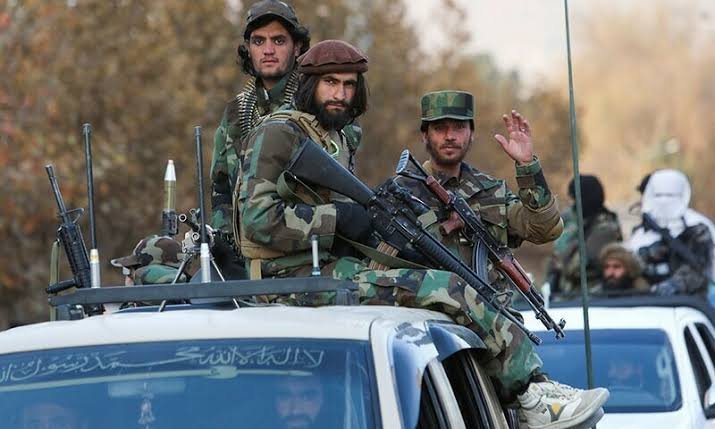
In the northern districts, the actions of terrorists and Khawarij are still challenging the province’s security. In such a situation, what is needed is serious, consultative, and institutional governance not the display of political ego.
The Right of the People of Khyber Pakhtunkhwa
The people of Khyber Pakhtunkhwa did not give PTI a heavy mandate so that their representatives humiliate officers in government meetings or violate protocol at important diplomatic occasions. They voted for change for better hospitals, schools, roads, and employment.
Chief Minister Sohail Afridi is still a young politician. Assuming the responsibility of Chief Minister at the age of only 36 is not easy. But this excuse does not justify his immaturity. He must understand that running a government is possible through institutional respect, adherence to law, and serious decision making not through political pressure, personal ego, and performative politics.
Conclusion: Reform is Still Possible
This article is not written to completely reject the KP government. Investment and negotiations with Prince Rahim Aga Khan for Aga Khan University in Peshawar are a positive step that should be appreciated. But one step is not enough.
The people of Khyber Pakhtunkhwa want comprehensive governance. The government should honestly engage in self accountability, respect honest officers, make merit based decisions, and distance itself from political immaturity. The Pashtun people do not want political childishness, they want real change and they deserve it.
Disclaimer:
The views and opinions expressed in this article are exclusively those of the author and do not reflect the official stance, policies, or perspectives of the Platform.

