

How Propaganda Threatens a Hard Won Peace

The Fragile Reality Behind Swat’s Peace and Political Narratives
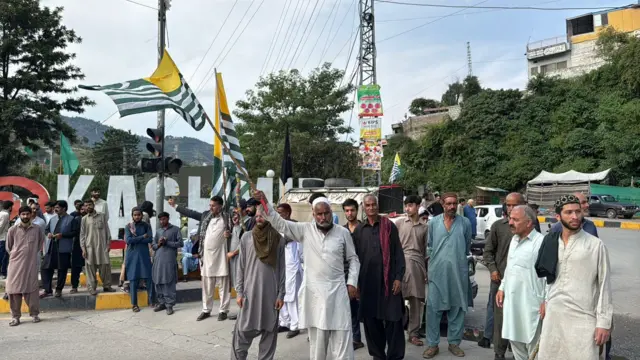
What happened in Swat recently says a lot about how fragile peace can be when politics gets mixed up with pain. The PTM gathering at Kanju Chowk on September 27 was not just another rally, it was a carefully packaged attempt to turn frustration into a political weapon. They tried to frame it as some kind of people’s uprising against the state, but if you have followed what is really been happening in Swat, that version does not hold up.
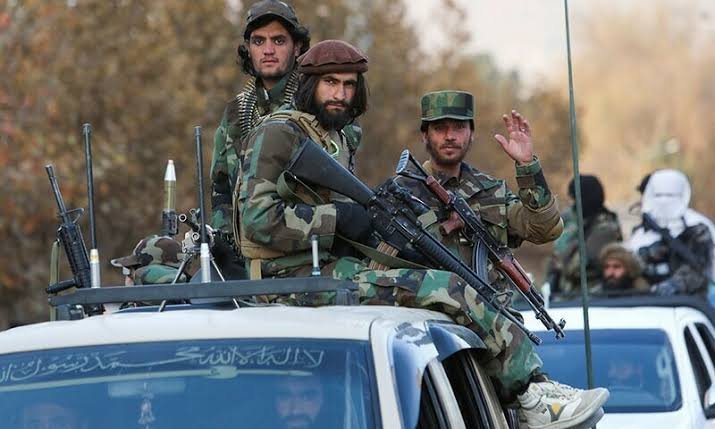
Anyone who remembers the years when TTP militants ruled Swat knows what real oppression looks like. That was the time when schools were bombed, girls were told they could not study, and entire families were forced to flee their homes. People lost their livelihoods, and fear became a way of life. It was not the state doing that, it was terrorists who believed they could decide who lived and who did not. Those days left deep scars.

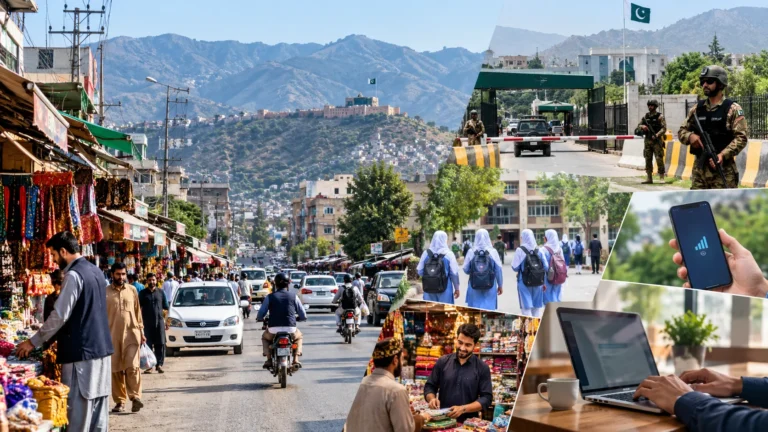
Indeed, peace did not just appear out of nowhere. It came after a long, bloody fight that cost Pakistan’s security forces dearly. Soldiers died in the valleys and hills of Swat. Locals stood by them, not because they were forced to, but because they were done with living under the gun. Slowly, the valley came back to life. Schools reopened, shops were rebuilt, and tourists started returning.
The buzz you hear now in Mingora’s markets or along Malam Jabba’s roads did not happen by accident. It happened because there was finally some stability.
Propaganda’s Role in Undermining Trust and Giving Space to Terrorists
That is why this attempt by PTM to twist the story feels so wrong. They are trying to convince people that the real problem is not terrorism but the state’s security efforts. They talk about “oppression” while ignoring the reason those checkpoints and patrols exist in the first place, to stop militants from coming back. When you look at it that way, it starts to sound less like activism and more like propaganda.
To be fair, not everyone who listens to PTM’s message is acting in bad faith. There are people who genuinely feel neglected or frustrated. Life in Khyber Pakhtunkhwa has not magically improved for everyone. Jobs are still hard to find, and infrastructure gaps are real. But when those grievances get turned into an anti-state narrative that conveniently forgets about the TTP, it is hard not to question the motive behind it.
Let’s be real that the security situation in Swat is delicate. It does not take much to disrupt peace. And when PTM leaders keep painting the army as the oppressor, they are not just criticizing, they are eroding trust. That trust is the same thing that kept Swat standing when everything was falling apart. Once it’s gone, it is not easy to rebuild.
The most troubling part is how PTM’s messaging gives indirect comfort to the very groups that want chaos. Every time someone says the state is the enemy, the terrorists who bombed schools and markets get a little stronger. They do not need to fight if people start doing their PR work for them. It is like giving them a free pass to return under the cover of “civil rights.”

There is also something deeply unfair about how PTM has rewritten the story of Swat’s recovery. The people who fought to bring peace, soldiers, police officers, and civilians are now being painted as villains. That is a slap in the face to the families who lost loved ones in that fight. No one is saying the state is perfect, and yes, mistakes happen in security operations. But turning those sacrifices into a political punchline crosses a line.
The truth is ordinary people in Swat just want to live without fear again. They want to send their kids to school, run their shops, and host tourists. They do not want to be dragged into someone’s narrative war. When you talk to locals, most say they have had enough of the politics. They value peace more than slogans. That says a lot.
Notably, if PTM really cared about Pashtun rights, they would focus on the real issues, education, jobs, healthcare, not on spreading suspicion about the very institutions that made it possible for those issues to even be discussed again. There is room for criticism and reform, of course, but it must come from a place of truth, not manipulation.
Swat’s revival is one of Pakistan’s few success stories after years of conflict. It shows what unity and resilience can do. You can feel it when you see kids walking to school again or families picnicking by the river. That is the kind of progress worth protecting. And that protection comes from standing together, not tearing each other apart.
If this new wave of propaganda keeps spreading, Swat risks falling back into that same cycle of mistrust and fear. It is not far-fetched to think that the TTP would seize that chance. The last thing anyone should want is to see that valley go quiet again, not because of peace, but because of fear.
So, when PTM paints a picture of oppression, it is worth asking who benefits from that story. Because it is sure not the people of Swat. It is those waiting in the shadows, hoping the cracks in unity widen just enough for them to slip through again.
The people of Swat have already paid their dues. They earned their peace the hard way. What they need now is not another political movement claiming to speak for them. They need stability, opportunity, and a collective sense of purpose. That is not going to come from anti-state rallies or viral speeches. It will come from staying united against anyone, terrorist or politician, who tries to drag Swat back into chaos.
At the end of it all, protecting Swat means remembering who the real enemy is. It is not the soldier at the checkpoint or the state official trying to keep the peace. It is the extremist who wants that checkpoint gone so he can bring his terror back.
That is the truth PTM does not like to talk about, and it is exactly why people should start questioning what their movement is really trying to achieve.
The views and opinions expressed in this article are exclusively those of the author and do not reflect the official stance, policies, or perspectives of the Platform.

