


Zabihullah Mujahid’s Claims on Pak-Afghan Ties Lack Credibility

Why Zabihullah Mujahid’s Claims on Pak-Afghan Relations Lack Credibility
Zabihullah Mujahid’s recent statements on Pakistan-Afghanistan relationship are nothing, but rhetoric rather than realism. His words attempt to shift the blame for current tensions onto Islamabad’s usual targets.
In fact, the fundamental cause of the issue is cross-border terrorism from Afghan territory and Kabul’s overall attitude towards it.
The Real Cause of Strain
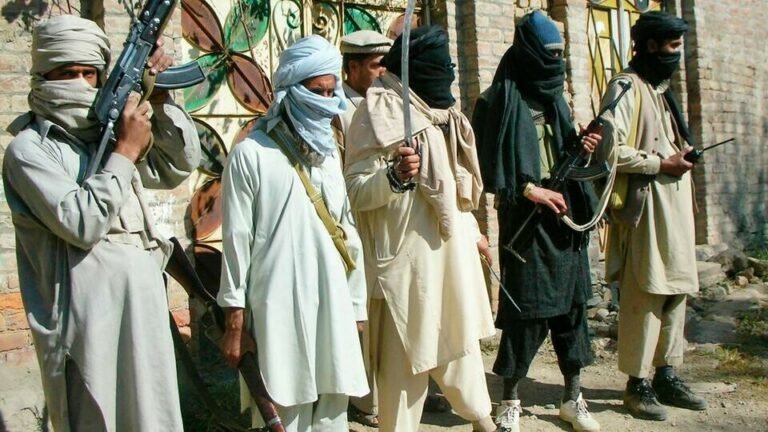
The fears of Pakistan are not political concoctions. However, attacking groups have been able to act with impunity in Afghanistan, primarily the Tehreek-e-Taliban Pakistan (TTP) and Balochistan Liberation Army (BLA). During the Istanbul negotiations, Pakistan put forward a verifiable treaty to destroy these sanctuaries under third party supervision. Kabul declined all this situation. Yet that denial is one of the biggest barriers to reestablishing mutual trust between them.
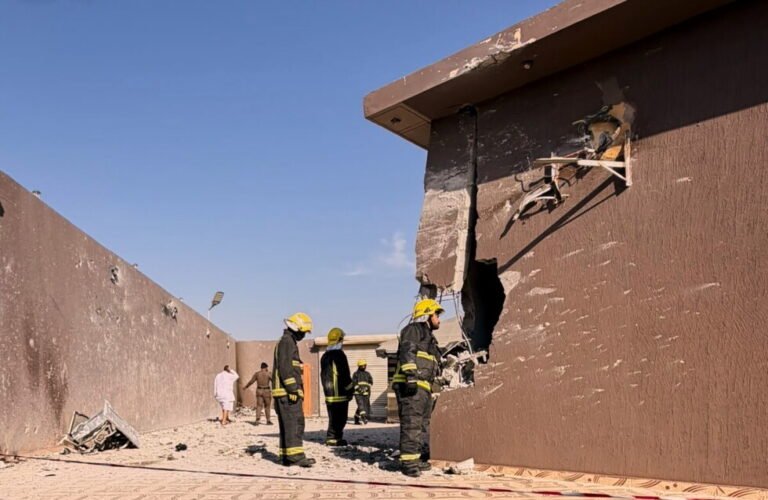
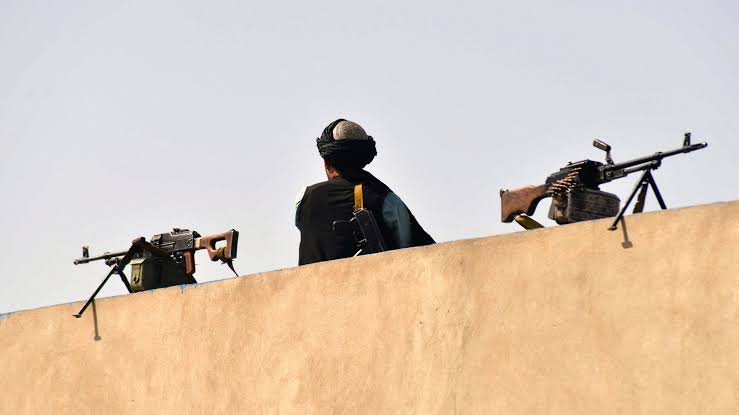
Since 2021, more than a thousand cross border attacks have been emanated from Afghan territory. Many have attacked Pakistani security installations and border posts. These are not isolated incidents i.e. they are part of coordinated campaign by TTP and Islamic State Khorasan Province militants. Both groups have tried repeatedly to cross the frontier. Pakistan’s reaction has been calculated including strengthened border control, intelligence sharing, and temporary closure of crossings such as Torkham and Chaman.
No “Civil-Military Divide”
The idea of a policy division that Mujahid suggested for Pakistan was simply false. As, Islamabad is institutionally a single entity. The objective of civilian and military leadership is just the same, peaceful coexistence in the region, based on demonstrable counter terror cooperation. Consistent statements have been extended by the prime minister, deputy prime minister, and all the other ministers of the cabinet. Moreover, Pakistan’s border policy is driven by national security, not politics or personalities. Thus, temporary border closures are not punitive measures but preventive, to block the influx of militants while permitting the free circulation of merchandise.
Trade, Cooperation, and Controlled Borders
Despite the deteriorating security situation, Pakistan is Afghanistan’s largest trading partner. Bilateral trade exceeded USD 1.6 billion in FY 2024-25, reflecting the continued dedication of Islamabad to economic ties. This trade has remained open through highly controlled border management. It is also being restricted by human smuggling of arms, narcotics, and fighters across the border.
Moreover, in the Kunar River dispute, Pakistan acknowledged the sovereign right of Afghanistan for the development of resources. Yet, responsible water sharing must be based on transparency and respect for international norms as well. The Kunar water is used for vital agricultural areas in Pakistan, therefore, data exchange and cooperative mechanisms are required.
Narrative of “Smooth Relations”
The nostalgia of Mujahids for the Imran Khan era as the golden period of good relations is misplaced. The goodwill that Pakistan had shown in 2021-22 was not reciprocated, as it was used against it. The Talibans used that period to strengthen TTP sanctuaries throughout eastern Afghanistan. According to the 2023 report from the UN Monitoring Team, the number of TTP attacks on Pakistan almost doubled from 573 in 2021 to 1,203 in 2023, with increasing numbers even in 2024.
Similarly, the report added that Afghanistan’s General Directorate of Intelligence had created guest houses in Kabul for TTP leaders. He was providing them with movement passes and weapons permits as well. These are not hostile power allegations, they are conclusions made by international monitors. As such, Pakistan’s PTI government made repeated positive overtures to Kabul during this time. Such situation includes prisoner releases and local peace deals in good faith. Each overture was greeted not with cooperation, but with more killing. What Mujahid had termed “cooperation” was Pakistan’s restraint, a deliberate decision to give a chance to the fledgling Afghan regime to consolidate its hold on power.

Pakistan’s Stance
There is no retribution in Islamabad’s demands today, it is basically the reality. Pakistan wants written and verifiable assurances that Afghan territory will not be used by TTP, BLA, or ISKP groups. This is the basis of normal trade, greater movement, and stable borders. Without such demonstrable commitments, all dialogue runs the risk of becoming yet another round of promises without change. Furthermore, Pakistan continues to maintain diplomatic channels with Kabul, particularly through the mediation of Turkey and Qatar. The tone remains firm yet balanced, prioritizing security while keeping the door to dialogue open.
Moving Beyond Rhetoric
The peace between Afghanistan and Pakistan is not just a matter of words, but actions. If terror networks continue to take refuge in Afghan territory, trust issues would not end.
Pakistan’s message has been clear and consistent that counter terror obligations are not optional, they are the price of stability and partnership.
Finally, Zabihullah Mujahid’s comments might find an echo among the domestic audience. However, they cannot conceal the reality of facts. Islamabad’s stance is based on evidence, data, and a coherent policy apparatus. If Kabul seeks peace, it must translate words into action by dismantling terrorist infrastructure, honoring commitments, and cooperating transparently. Until then, Pakistan will continue to protect its borders and people through calibrated, lawful measures. Ultimately, real peace will come not from rhetoric but from decisive Afghan action against the forces that threaten both countries.
The views and opinions expressed in this article are exclusively those of the author and do not reflect the official stance, policies, or perspectives of the Platform.

