










Trump’s Tariffs & US-China Trade: Future of Global Economy
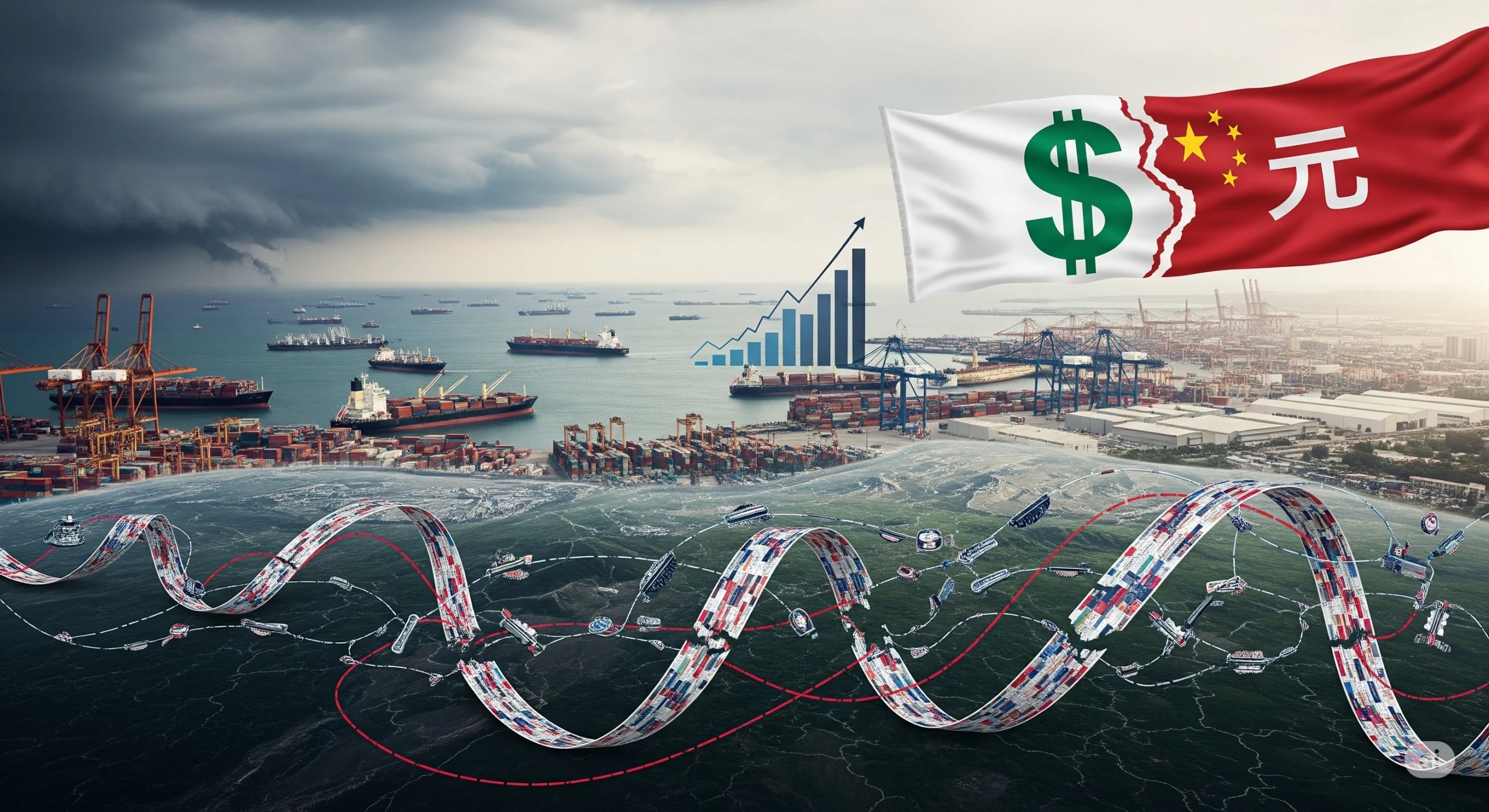
In the ever-evolving landscape of international relations, few topics spark as much debate and concern as global trade policies. Recent developments, particularly concerning US-China tensions and the re-emergence of tariffs, are once again making headlines, signaling a potentially significant shift in the world’s economic order. Trump’s Tariffs & US-China Trade.
Just recently, President Donald Trump’s administration has once again demonstrated its willingness to use tariffs as a key tool in its foreign policy arsenal. Reports indicate a new 35% tariff imposed on Canadian imports, a move that has sent ripples across North America. This action is not isolated; there are also discussions and threats of similar tariffs being levied against BRICS nations, hinting at a broader strategy to reshape global trade agreements.
These developments underscore the ongoing economic and diplomatic maneuvering between major world powers. The prospect of further trade wars and the potential for a Trump-Xi summit add layers of complexity to an already intricate global economic fabric. Businesses, consumers, and governments worldwide are closely watching these developments, as they could lead to significant impacts on supply chains, consumer prices, and overall economic stability.
The question on everyone’s mind is: what will be the long-term consequences of these protectionist measures? Will they lead to a more balanced global trade environment, or will they trigger a new era of economic fragmentation and geopolitical friction? Only time will tell, but one thing is clear: the future of global trade is currently navigating a period of intense uncertainty and transformation.

