

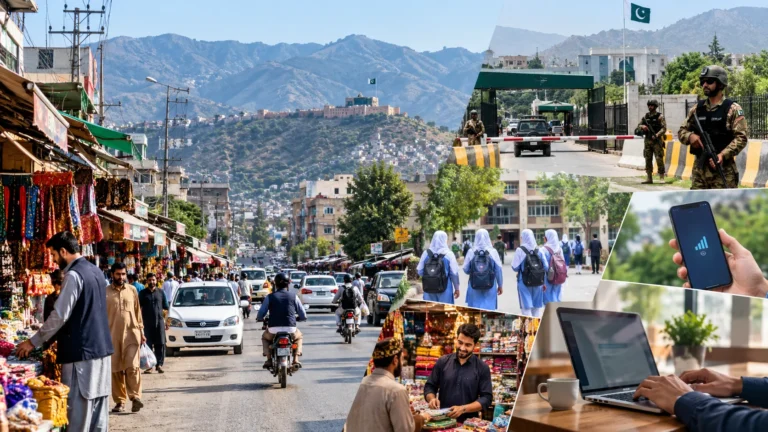
Azad Kashmir Needs Responsible Reform
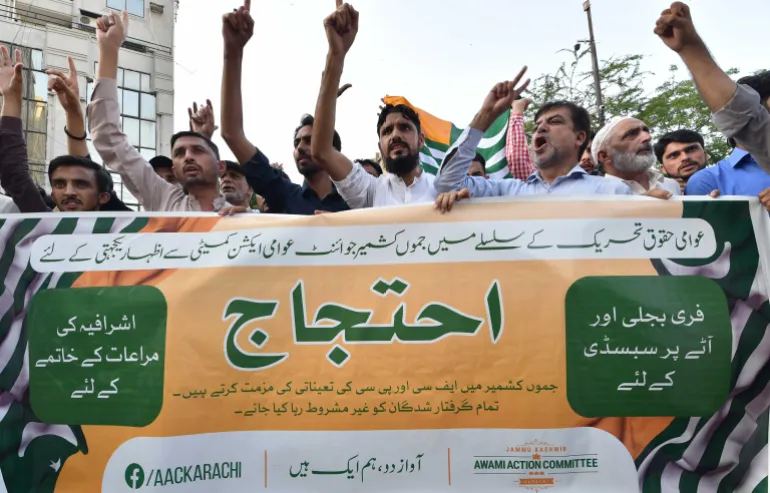
Azad Jammu and Kashmir stands at a sensitive political and social moment. The people have genuine concerns: inflation has strained household budgets, electricity bills have angered consumers, public services remain uneven, and citizens expect better governance from those in power. These concerns cannot be dismissed, minimized or treated as ordinary complaints. They are real issues affecting daily life. But the question now is not whether people have rights. They certainly do. The question is whether repeated shutdowns, street pressure and confrontation are the right way to secure those rights when many demands are already under implementation and several development projects have entered formal administrative stages.
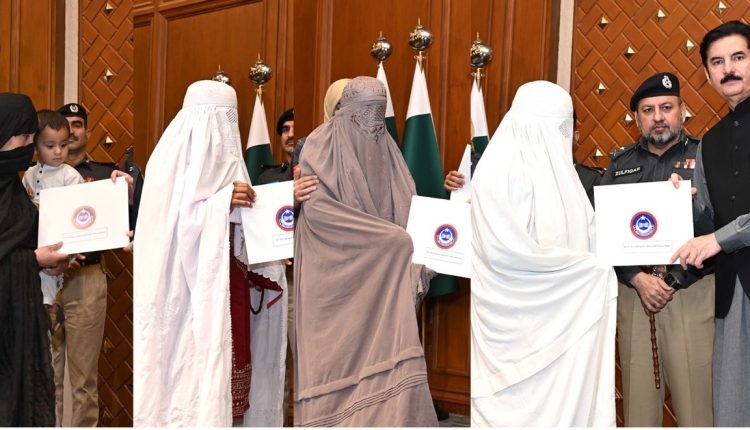
A public movement earns respect when it speaks truthfully, acts responsibly and remains focused on public welfare. It loses moral force when it begins to ignore progress, exaggerate delays and present every technical procedure as a betrayal. After the agreement between the government and the Joint Awami Action Committee, several steps were reportedly taken on public demands. FIRs were withdrawn, compensation was paid to affected families, electricity-related relief was announced, surcharges were removed, arrears were divided into instalments, and administrative reforms were initiated.
At the same time, health, roads, electricity infrastructure and water supply projects were moved into different stages of approval, feasibility, PC-I preparation and tendering
These steps may not be perfect. They may require strict monitoring. Citizens have every right to demand timelines, transparency and written progress reports. But there is a major difference between demanding implementation and rejecting implementation altogether. Governance does not work like a street slogan. A hospital cannot be upgraded the day after an announcement. A road cannot be built before feasibility, design, approval, funding and tendering. A power system cannot be repaired without procurement, planning and technical work. When leaders deliberately hide these realities from the public, they do not strengthen the people; they mislead them.
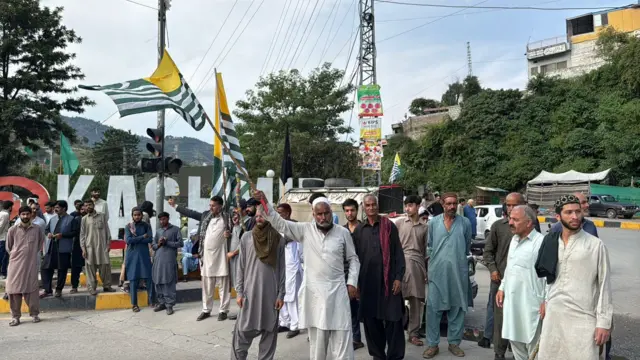
The new strike call therefore raises serious concerns. If relief has already been provided in several areas and projects are moving through formal channels, then what exactly is the purpose of another shutdown? Will closing markets speed up PC-I approvals? Will blocking roads complete hospital projects faster? Will stopping transport improve electricity infrastructure? Will forcing daily-wage workers to lose income reduce inflation? These are not minor questions.
They go to the heart of whether the politics being practiced is genuinely public-centered or merely pressure politics dressed in public language
The greatest tragedy of shutdown politics is that its cost is paid by the weakest sections of society. A leader can announce a strike and appear on television. A trader, however, loses a day’s income. A labourer loses his wage. A student misses school. A patient misses treatment. A transport worker loses earnings. A poor family postpones food, medicine or travel. The people who suffer most are usually not the people who gain politically from unrest. This is why every strike must be judged not by the emotion of the slogan but by the burden it places on ordinary citizens.
Azad Kashmir does not need silence. It needs accountability. It does not need blind obedience to government. It needs public pressure that is constructive, informed and disciplined. If the government delays projects, citizens should demand progress reports. If funds are not released, the responsible departments should be named. If a tender is stuck, the reason should be made public. If reforms are incomplete, a deadline should be demanded. But shutting down public life every few months cannot be a permanent political method. A society cannot build hospitals, roads, schools and industries while repeatedly pushing itself into uncertainty.
Even more worrying is the expansion of some protest narratives from economic demands into sensitive constitutional and political questions. Public movements must be careful when dealing with Kashmir’s larger political position, its relationship with Pakistan, and the representation of refugees from occupied Jammu and Kashmir. These are not ordinary bargaining points. They are linked to the history, identity and international standing of the Kashmir cause. To mix local grievances with issues that can weaken Kashmiri unity is politically irresponsible.
Public anger over bills or prices should not be redirected into narratives that create confusion about Kashmir’s collective struggle
The demand to abolish refugee seats is one such example. These seats are not merely an electoral arrangement; they symbolize the political presence of displaced Kashmiris who remain connected to the unresolved future of Jammu and Kashmir. Their families suffered displacement because of the conflict. Removing their representation would not solve public problems in Azad Kashmir. It would not reduce electricity bills, create jobs or improve governance. Instead, it would weaken a historic link between Azad Kashmir and those Kashmiris who were forced away from their homes. Any movement claiming to represent Kashmiri rights should protect that link, not attack it.
Leadership requires restraint. It is easy to inflame public emotion, but difficult to guide people responsibly. It is easy to call a strike, but difficult to build a system. It is easy to accuse, but difficult to negotiate results. The people of Azad Kashmir should support every genuine demand for relief, merit, transparency and institutional reform. But they should also ask hard questions of those who claim to lead them. Are they distinguishing between delay and refusal? Are they protecting the Kashmir cause or dragging it into unnecessary controversy?
The future of Azad Kashmir cannot be built through permanent agitation. It will be built through stability, reform, public oversight and responsible politics. The government must deliver on its commitments without arrogance or delay. But protest leaders must also stop treating public hardship as political fuel. The ordinary Kashmiri does not want endless closures, uncertainty and confrontation. He wants affordable electricity, functioning hospitals, open schools, merit-based opportunities, reliable roads, clean water and respectful governance.
The real test before Azad Kashmir is simple: will it choose reform with stability, or agitation without direction? Public rights must be protected, but they must not be hijacked by personal ambition, electoral pressure or emotional politics. Kashmir has suffered enough from division and uncertainty. Its people deserve leadership that solves problems, not leadership that survives by keeping problems alive.

