

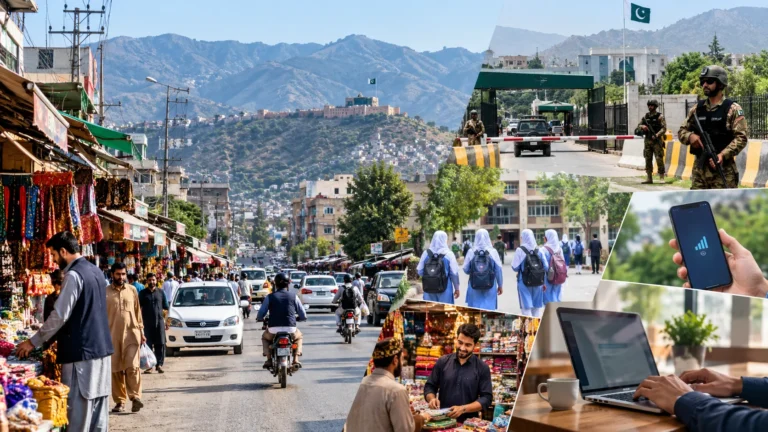
DUBIOUSLY FRAMED STORY BY REUTERS ON DEPORTATIONS OF PAKISTANI CITIZENS
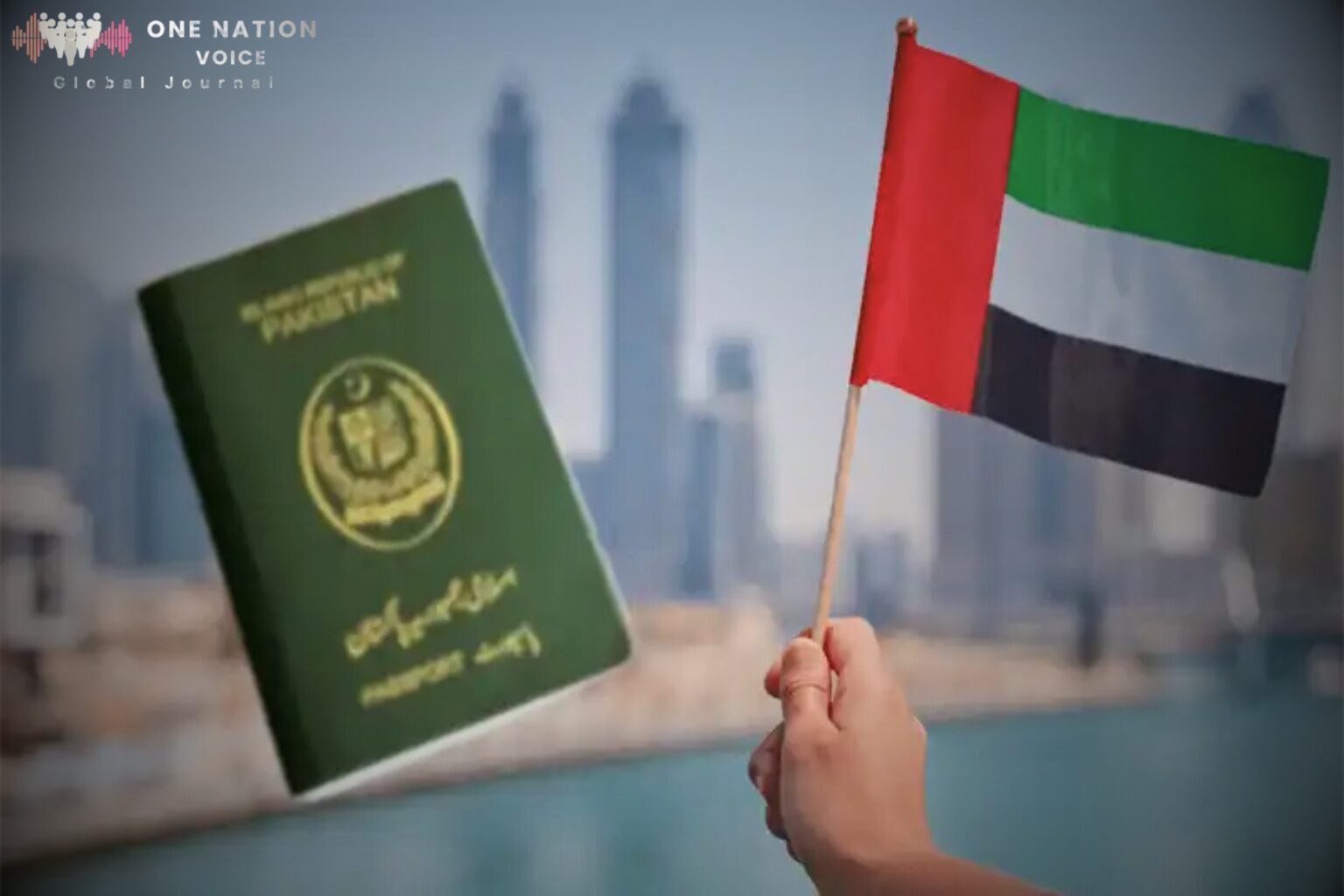
When Reuters published its report on May 25, 2026, detailing the deportation of Pakistani nationals from the United Arab Emirates, it ignited a firestorm of debate that has less to do with the facts on the ground and more to do with how those facts are being packaged, weaponised, and sold. The story, centred on returnees in Chakwal district, raises legitimate humanitarian concerns, but the deliberate choice to frame an immigration enforcement matter through an exclusively sectarian lens deserves serious scrutiny.
Let us be honest about what we know. A database compiled by Majlis Wahdat e Muslimeen, seen by Reuters, lists 7,500 Pakistani Shia Muslims deported from the Gulf Arab state since late February, around the time the United States and Israel launched strikes on Iran. These are significant numbers, and the human cost is real. Hundreds of Pakistani Shia Muslims have returned to Pakistan having lost jobs and savings, with Human Rights Watch now investigating the allegations. No one should minimise the personal suffering involved. These are men and women who built their lives in the Gulf, contributed honestly to their host nation’s economy, and now find themselves returned home with nothing.
But here is where responsible journalism must draw a line that Reuters did not draw clearly enough.
The United Arab Emirates has not publicly confirmed the allegations, while Pakistan’s Interior Ministry and Foreign Ministry have categorically rejected claims of mass sectarian expulsions.
Describing the reports as fabricated, speculative, politically motivated, and disconnected from routine immigration enforcement operations. This is not a minor footnote, it is a central fact that any honest framing of the story must place front and centre. Reuters itself acknowledged that UAE authorities did not cite sectarian grounds for the deportations, yet the editorial architecture of the story, its headline, its sourcing, and its framing consistently pushed readers toward a sectarian conclusion that the evidence does not conclusively support.
The geopolitical context matters enormously here and cannot be ignored. The United Arab Emirates has long been Pakistan’s single largest source of remittances, contributing 6.3 billion United States dollars in fiscal year 2024 to 2025, and is home to approximately 1.8 million Pakistani workers. The swift deportations signal strained ties between Pakistan and Gulf allies, occurring alongside incidents such as Etihad Airways abruptly terminating Pakistani employees. All of this is happening as Pakistan mediated between the United States and Iran. In other words, the backdrop to these deportations is not purely sectarian, it is geopolitical. Pakistan’s quiet but consequential diplomacy during the Iran conflict appears to have generated friction with Gulf partners who felt their strategic interests were not being sufficiently prioritised.
The United Arab Emirates has been quietly frustrated with Pakistan for years, viewing with displeasure Islamabad’s independent positioning in the Muslim world, including past instances when Pakistan sided with Turkey, Iran, and Malaysia rather than the Gulf states. Against this backdrop, the deportations carry the hallmarks of a geopolitical signal as much as, or more than, a sectarian campaign. To present them primarily as the latter is to tell an incomplete story, and incomplete stories in the realm of sectarian identity are not neutral. They are dangerous.
Pakistan is a nation of over 240 million people, with a Shia population of approximately 35 million who share deep spiritual connections with Iran and a history of sectarian tension that responsible actors must handle with utmost care. When a global wire service like Reuters frames a complex diplomatic and immigration dispute primarily through a sectarian lens, and when that framing is then amplified by social media, political actors, and foreign state information operations, the consequences extend far beyond the original news cycle. They seep into communities, inflame grievances, and provide ammunition to those who wish to destabilise Pakistani society from within.
The economic dimension of this crisis is already severe enough without the added poison of sectarian mobilisation. Annual remittances from Pakistanis in the Gulf reach 29.4 billion United States dollars, underscoring the enormous economic stakes for Pakistan’s economy and for millions of families dependent on Gulf earnings. Any disruption to Pakistan United Arab Emirates bilateral relations, whether caused by diplomatic missteps, media narratives, or public agitation, ultimately harms the very Pakistani workers that sympathetic coverage claims to champion.
What is needed now is not sensationalism but statecraft. Pakistan’s government must pursue quiet, firm diplomatic engagement with the United Arab Emirates to protect its citizens’ rights, ensure due process for those facing deportation, facilitate the return of frozen assets, and seek clarity on the criteria being applied in these enforcement actions. The cases documented include individuals who received no explanation for their deportation, which is a human rights concern that Islamabad must raise bilaterally and persistently through diplomatic channels rather than through the megaphone of media outrage.
Pakistan’s 1.8 million workers in the United Arab Emirates did not build their lives there to become pawns in an information war. They deserve advocacy that is grounded in facts, pursued through legitimate diplomatic channels, and focused on tangible outcomes, not narratives engineered to stoke tension between Pakistani communities or between Pakistan and its Gulf partners.
The Reuters story may have been filed with honest intentions. But intentions do not determine impact.
When a story’s framing consistently outpaces its evidence, when conclusions are implied rather than proven, and when such a story lands in a society already vulnerable to sectarian manipulation, the responsibility of the press to exercise restraint and rigour becomes not merely a journalistic virtue but a moral obligation. That obligation in this case was not fully met.
Pakistan is stronger than those who wish to divide it. Its people, of all sects, all provinces, all backgrounds, have proven that time and again. The task now is to ensure that any response to genuine injustice does not inadvertently serve those who profit from division.
Disclaimer:
The views and opinions expressed in this article are exclusively those of the author and do not reflect the official stance, policies, or perspectives of the Platform.

