




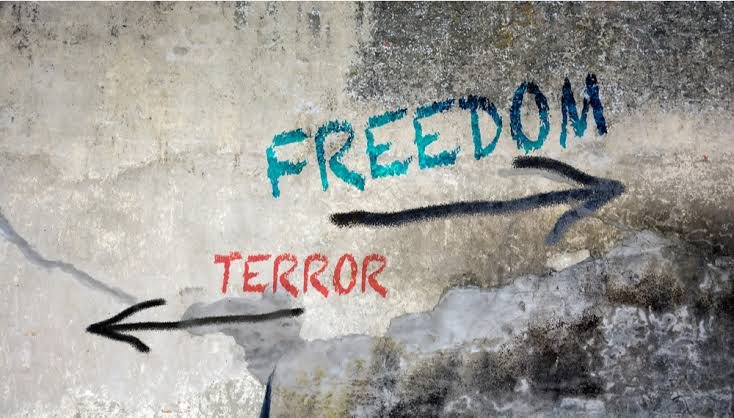

Pakistan Achieves FATF Compliance in Fight Against Terrorism

Pakistan Achieves FATF Compliance in Fight Against Terrorism
The experience of Pakistan in following the recommendations of the Financial Action Task Force (FATF) has been very transformative. The country was being subject to a tremendous pressure of international scrutiny due to the loopholes in its anti-money laundering and counter-terrorism financing (AML/CFT) mechanisms. However, Pakistan has managed to restructure its financial governance environment to not only be a part of the globe but also to have a deep dedication to combating terrorism at its inception.
The successful way to leave the FATF Grey list in 2022 was a turning point of the country.
In fact, a message to the world that Pakistan was resolved to bring security, transparency, and development to national interest.
Enhancing the Building Blocks of Financial Security
The assessment by FATF compelled Pakistan to deal with the structural inefficiency of its financial surveillance systems. The government has brought massive legal and institutional changes over the years, i.e. increased regulation of financial institutions, intense surveillance of transactions across borders and effective tools to detect and disrupt suspicious financial activity. Moreover, Risk-based supervision of banks and non-bank financial institutions helps identify and prevent financial malpractice supporting terrorism or money laundering.

Notably, Pakistan has also improved its legal regulations such that the anti-terror and money laws are in sync with the international conventions. The state strengthened the Anti-Money Laundering Act and empowered related laws like the Anti-Terrorism Act to enable more efficient analysis of suspicious transactions. Therefore, these changes did not just come but they revamped compliance and accountability, weakened to become long term strengths.
Making the FATF Grey List a Defining Success
In October 2022, after the FATF decided to remove Pakistan from its enhanced monitoring list, the government had an announcement that it had completed all 34 stipulated action items before the expected timeline. This result was in more than a bureaucratic procedural sense, which marked a substantive change on the path to responsible governance and financial probity in Pakistan. So, FATF withdrawal boosted investor confidence, improved creditworthiness, and eased transaction scrutiny.
In addition, the cooperation of Pakistan with the Asia-Pacific Group (APG) on money-laundering issues further strengthens its development path. Pakistan’s continued engagement with the APG will ensure that compliance is not considered as a one-off activity but as a continuous process. Thereby, retaining its economic independence while at the same time strengthening its international credibility too.
Future Ready Compliance Ecosystem
The situation of Pakistan is unique that it has embraced technology and innovation in financial monitoring. Moreover, the traceability capabilities and digital validation mechanisms powered by artificial intelligence augment the compliance controls and increase traceability throughout the financial chain. These tools are invaluable in a world where the underground finance systems have now become dynamic.
Meanwhile, the supervisory authorities have added stronger controls to Designated Non-Financial Businesses and Professions (DNFBPs), including real estate, law, and jewelry industries. The introduction of AML/CFT net has helped Pakistan to seal the loopholes that previously allowed the flow of illicit funds and funding of terrorism.
Beyond Compliance Reforms
FATF compliance is more than numbers and checklists, that is about credibility and values. The development of Pakistan has been premised on human-rights based counter-terrorism approach. The international trust in the government’s effort to combat the funding of terrorism without sacrificing civil liberties has increased. This is done with government commitment to fair trials, judicial reforms, and transparency in the enforcement of law.

Another aspect is that the state has enhanced partnership with other countries as regards extradition and mutual legal assistance. This is the capacity of the state to prosecute criminals. In the meantime, better workings of FIU and advantageous ownership legislation have rendered it difficult to conceal corporate confidentiality or shell companies by criminals.
From Risk to Resilience
Risk-based reforms have been one of the greatest achievements in Pakistan. The country has been successful in eliminating the financing pipelines of terror. The low risk rating in proliferation financing and cross-border wire transfer among other areas indicates the extent to which the systems have now become integrated in the everyday operations of finance. Controls over non-profits and courier services, key terrorist financing enablers, have been neutralized.
Pakistan’s journey from FATF scrutiny to compliance is a model of how national will, legal reform, and technology can together build lasting financial resilience.
In the future, Pakistan will continue to increase victim-support programs in its CTF policies that will make compliance a form of compassion.
Sustaining the Momentum
The immediate issue is how these gains are to be maintained. The international investment has been opened since the Pakistani financial institutions have been able to get FATF standards, thus restoring investor confidence. However, long-term reforms such as judicial reform, ongoing AML training, and improved public interaction will decide the sustainability of these gains. The momentum can be sustained by educating and engaging youth in civic education on financial ethics to ensure transparency and integrity of the nation.
Therefore, the FATF compliance of Pakistan is beyond regulation, as it is a matter of national resolve. The country has shown that such a struggle can be won through will, discipline, and cooperation, by turning its weaknesses into strengths and putting in place strong oversight mechanisms, including modern technology. The process is far from being finalized. However, these developments indicate that the secure and transparent financial future of Pakistan is slowly but surely being transformed from aspiration into reality.
The views and opinions expressed in this article are exclusively those of the author and do not reflect the official stance, policies, or perspectives of the Platform.


One thought on “Pakistan Achieves FATF Compliance in Fight Against Terrorism”
Comments are closed.