Sindh Restructuring Is About Better Governance
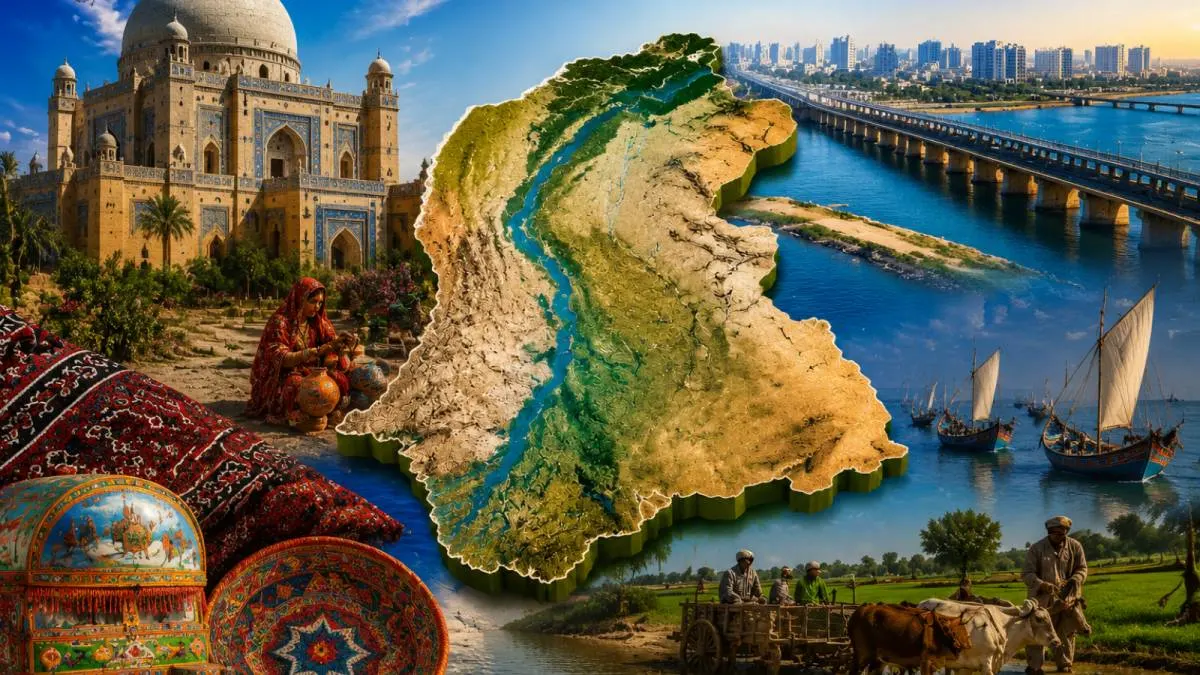
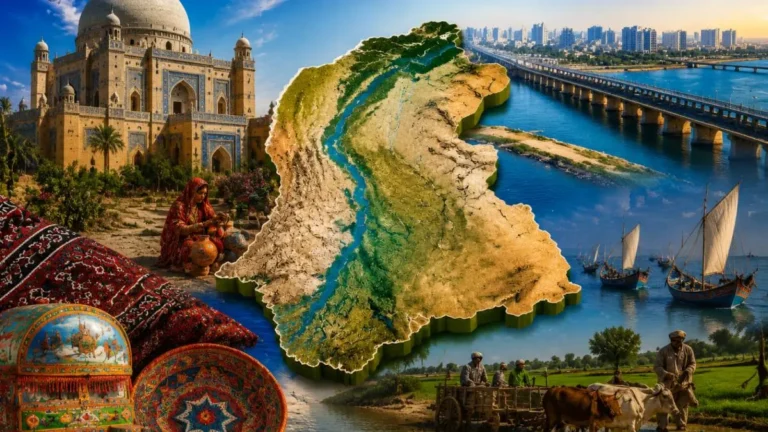
Every few years Pakistan has the same argument about provincial boundaries, and the same fear comes with it: that any change to the map is a threat. This time the debate deserves a calmer hearing. What MQM P is proposing is not a division of Sindh’s land.
Administrative and not territorial, and that no territory would move between provinces. In his words, not an inch of Sindh goes out and not an inch comes in. His historical point also holds up. Sindh was once folded into the Bombay Presidency, and Karachi has served under federal authority in earlier decades. Administrative arrangements in this region have changed many times, and the country survived each change.
The case for change
The argument rests on scale and service delivery. MQM P chairman Khalid Maqbool Siddiqui has said the population has grown steadily without a matching increase in provinces, putting greater pressure on existing administrative systems. That is hard to dispute. A single provincial government in Karachi is expected to serve megacities, farming districts and remote desert towns at once, and it is unrealistic to expect equal attention for all of them.
Karachi and Hyderabad hold a large share of Sindh’s population but lack matching political and administrative authority. People in every part of Sindh, urban or rural, deal with the same everyday failures. They want clean water, working hospitals, safe roads and schools that function.
MQM P leaders have described the plan as covering the whole province and not just its cities. Farooq Sattar has spoken of units such as Larkana, Sukkur, Mirpur Khas and Karachi, each with its own elected leadership and administrative structures. If that is the design, then a farmer in the interior would gain a government closer to his village, and not only a Karachi resident.
The money question
Resources are not the real problem. In his telling, the 18th Amendment has practically split the country into four separate states. His figure of roughly 22,000 billion rupees reaching Sindh over 17 years should be checked against official budget and NFC data before anyone treats it as settled. Still, the question behind it is fair. If that much money has flowed, why do so many Sindh residents still lack basic services? Whichever side you are on, that question should be answered with audited numbers and not slogans.
Why the pushback is understandable
Sindh’s leadership has answered with real conviction. On 3 September, the Sindh Assembly passed a resolution rejecting any plan to divide the province, change its boundaries or create new administrative units. The PPP holds a two thirds majority in the House, and the resolution invoked Article 239(4). Under that article, a constitutional amendment altering a province’s limits cannot go to the president unless the provincial assembly passes it by at least two thirds of its total membership.
The sentiment behind the resolution is genuine. Many Sindhis feel deeply attached to their province, and they remember that the Sindh Legislative Assembly was the first provincial legislature in British India to support the creation of Pakistan, in 1943. That history deserves respect. Nobody proposing reform should treat this attachment as a mere obstacle. Dismissing it would only harden positions.
What both sides can agree on
Reading the debate closely, the two camps are closer than the rhetoric suggests. Both say they love Sindh and both say they stand for Pakistan’s unity. The goal is to strengthen Pakistan and not divide it. The PPP’s chief minister has said the party would never go against the country’s integrity. If both claims are sincere, the disagreement is about method and not about loyalty.
Rejected the idea that the proposal targets Sindhis and has said the changes would not lead to violence. That reassurance matters, and it should be repeated often. Karachi, Hyderabad and the rest of Sindh are home to communities who have shared streets, markets and weddings for generations. No reform should be sold in a way that stirs ethnic fear. Political parties on every side should avoid inflammatory language, including personal attacks and insults, because those help only those who profit from division.
A better path forward
MQM P has called for a national dialogue, and Siddiqui has urged parties to rise above partisan differences and build consensus on administrative restructuring. That is the right instinct, because no amendment can pass without broad agreement. The federal coalition would need a two thirds majority in both houses of parliament, and it would also need Sindh’s own assembly.
Political will has to be built through talks and not through press conference battles.
There is a practical middle road too. Before any constitutional change, Sindh could strengthen its local governments and give elected mayors and councils real financial and administrative power. Divisional commissions could be made accountable to the public. Development funds could be distributed by transparent formulas and published district by district. If the PPP wants to show that the present structure works, this is how to do it.
If it does deliver, the demand for new units will fade on its own. If it does not, the demand will keep returning, and it will have public support each time.
Sindh’s land, history and identity are not under threat from a conversation about administration.
What is at stake is whether an ordinary citizen, in Sukkur, Larkana, Hyderabad or Karachi, gets a government that answers to him.
Let the parties debate it openly, present verified data and respect the constitutional process. The people of Sindh have waited long enough for better services, and they deserve a serious discussion and not a shouting match.